
The 8-Year-Long Traffic Jam That Stunned the World
How World's Longest Traffic Jam was finally cleared ?

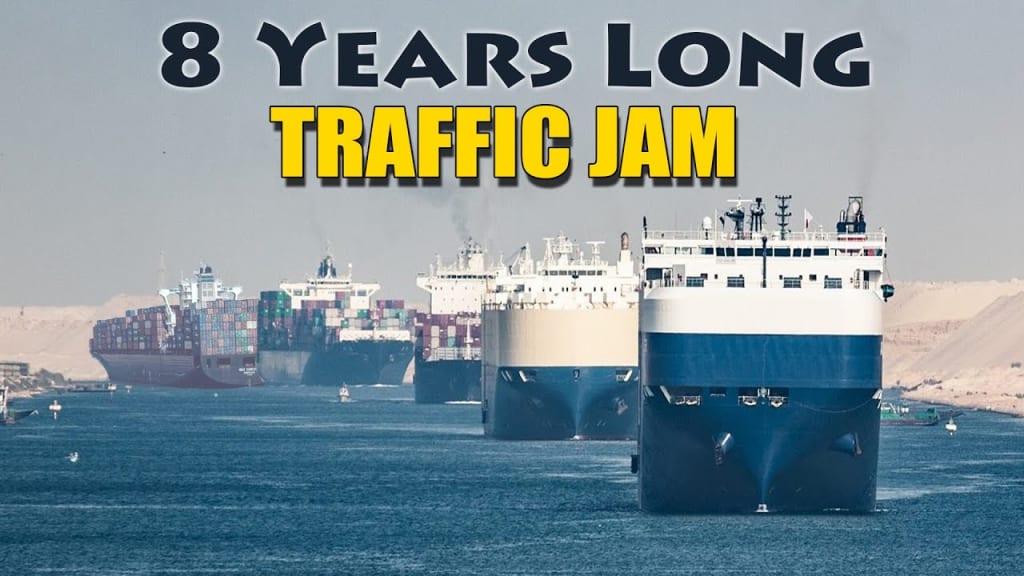
In 2015, a traffic jam on the Beijing Highway completely choked a 50-lane road. Back in 1980, a traffic jam on the French Autoroute Highway stretched over 175 kilometers from Paris to Lyon, taking several days to clear. Similarly, severe traffic jams have been reported in Brazil, Germany, and the United States—some lasting up to 12 days. But today, I’m going to talk about a traffic jam so shocking, it lasted not for days or weeks—but an unbelievable eight years.
The world’s longest and most difficult traffic jam occurred in the Suez Canal, where ships and thousands of crew members were stuck for the next 8 years. On highways, traffic jams might take days to resolve—but this one was beyond anyone’s control.
Let’s dive into the fascinating story of this unique and historically significant jam.
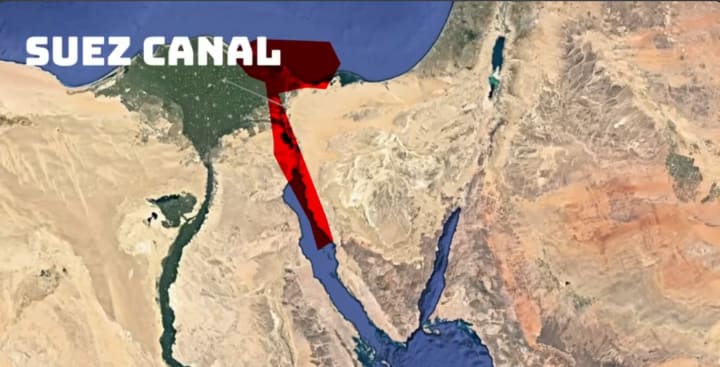
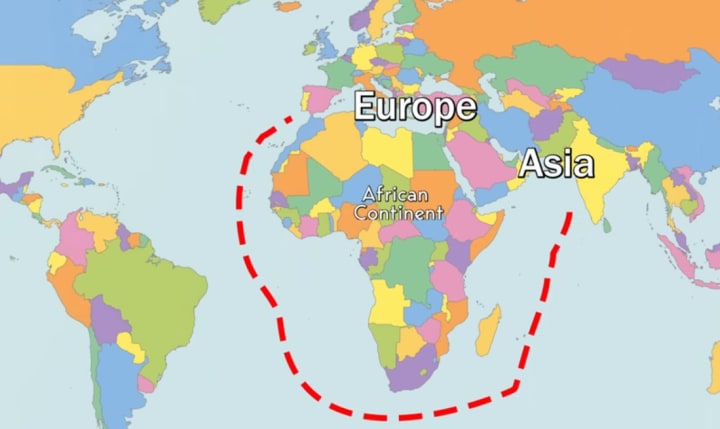
As we know, the Suez Canal is often called the jewel of the shipping and trading industry. Before it existed, ships had to travel all the way around Africa to reach Europe, which took months. But with the Suez Canal, that journey could be completed in days. This direct passage from the Mediterranean Sea to the Red Sea helped ships save around 10,000 kilometers in distance.
Moreover, the canal saved them from pirate-infested African waters, where groups like the Somali and West African pirates frequently looted cargo ships and held crews hostage for ransom.
Now, the incident in question happened on June 5th, 1967. That morning, 15 cargo ships entered the Suez Canal from the Mediterranean side. Normally, it takes 12 hours for a ship to pass through the canal, but little did they know their 12-hour journey was about to stretch into eight years.
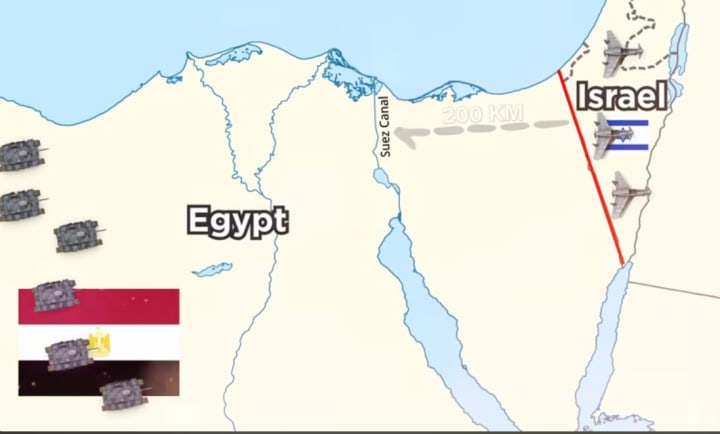
At that time, tensions between Egypt and Israel were already high, and both countries were preparing for war. The Suez Canal lies approximately 200 kilometers from their mutual border, so neither Egypt nor the ships had any reason to worry—until war erupted suddenly.
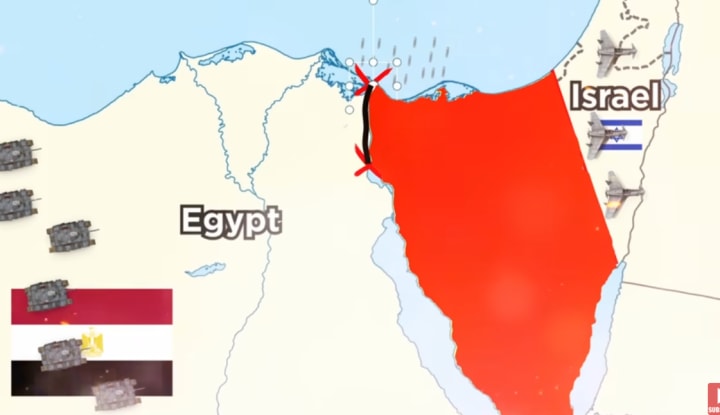
In a surprise move, Israeli forces launched a full-scale attack on Egypt. Within the first hour, rockets and fighter jets rained down around the Suez Canal. In response, the Egyptian army immediately closed both ends of the canal. Over the next six days, intense fighting continued, and Israel managed to capture the entire Sinai Peninsula, making the canal the new boundary between the two nations.
To stop Israeli forces from advancing further, Egypt intentionally blocked the canal by sinking its own ships, destroying bridges, and planting underwater mines. This made the canal completely impassable.
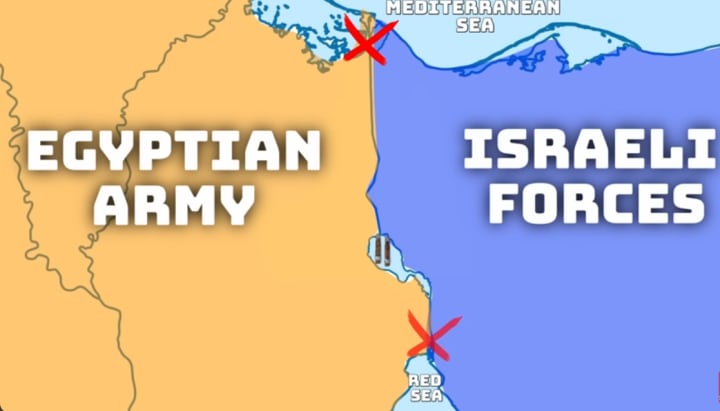
As a result, the 15 cargo ships that had entered the Great Bitter Lake section of the canal were now trapped. To the west were Egyptian forces, and to the east, Israeli troops. The ships could neither return to the Mediterranean nor move forward to the Red Sea. Their only option was to stay anchored.
Hundreds of other ships were also stopped in the Mediterranean and Red Sea, hoping the conflict would resolve soon. But tensions only worsened. Days turned into weeks, weeks into months, and still there was no progress.
The whole world suffered. Shipments were delayed, and freight costs skyrocketed. Ships that once traveled through the Suez Canal had to take the long route around Africa again. The economic toll was massive.

Meanwhile, the trapped 15 ships—belonging to Britain, Germany, Sweden, Poland, France, Bulgaria, Czechoslovakia, and the United States—were stuck in their own crisis. After months passed with no end in sight, shipping companies started pulling their crews back, leaving behind only 10 crew members per ship to maintain them. Every few months, these crew members were rotated out.
Over time, these sailors became close friends and tried to lift their spirits. The German ship hosted a small church, where Christians gathered every Sunday. The Bulgarian ship screened movie nights. The Swedish ship hosted pool parties, while the British ship held football matches.

They even organized their own Olympic-style event right in the middle of the lake—dubbed the Bitter Lake Olympics 1968.
As the years passed, sand and dirt settled on the ships, anchoring them even deeper. Since these ships were neutral and had no involvement in the conflict, both Israel and Egypt allowed food and supplies to be delivered to them.
After six years, war broke out again in 1973—this time, initiated by Egypt. The Egyptian army stormed into the Sinai Peninsula, pushing Israeli forces back. In the heat of the battle, an Israeli rocket unintentionally struck one of the trapped American ships, destroying it and killing several on board.
This intense fighting caused thousands of casualties on both sides. Finally, on October 24, 1973, Egypt and Israel signed a ceasefire agreement, and both sides began withdrawing troops.
But the nightmare wasn’t over for the ships. The canal was still littered with sunken boats, planes, and rockets, and Egyptian forces had placed thousands of mines along its length.
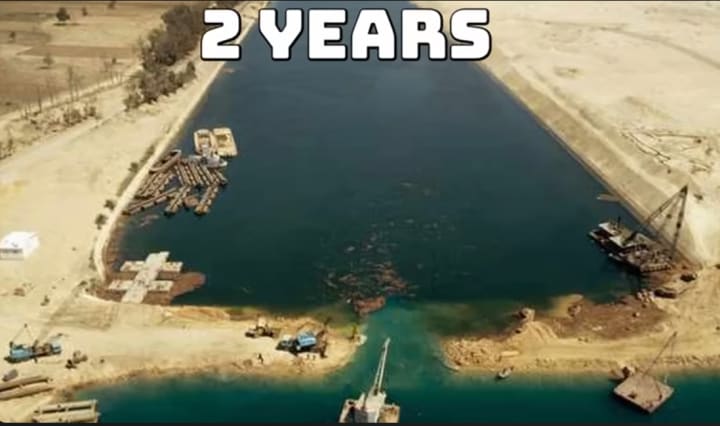
It took two more years to clear the canal completely.
Then, on June 5, 1975, exactly eight years later, the Suez Canal was finally reopened. Fourteen of the fifteen ships were finally able to leave. When they returned to their home countries, they received a hero’s welcome.
After being shut for nearly a decade, traffic in the Suez Canal resumed. Never in history has there been a traffic jam this long—and likely never will be again.
Meanwhile, diplomatic ties between Egypt and Israel improved. Israel returned the Sinai Peninsula to Egypt, and Egypt became the first Arab country to officially recognize Israel.
About the Creator
Keep reading
More stories from Jehanzeb Khan and writers in History and other communities.
2000 Years Old City Found Hidden in the Desert!
In the year 1812, a Swiss adventurer named Johann Ludwig Burckhardt was wandering through the desolate Arabian Desert. Disguised in local attire, he accidentally stumbled upon a narrow path nestled between high rock cliffs. He walked between these rocky walls for about 1.5 kilometers until the path widened—and what he saw next left him stunned.
By Jehanzeb Khan8 months ago in History
Gold-Guarding Griffins
Imagine standing at the foot of a vast mountain range, the air thin and cold, the peaks disappearing into cloud. Somewhere up there, according to the people who told this story for generations, something extraordinary waited. Not just gold.
By CurlsAndCommas5 days ago in History


Comments (2)
nice bro i like you
Breathtaking storytelling! You took a little-known historical fact and turned it into a compelling narrative that reads like a thriller. The pacing, human details, and geopolitical context all came together brilliantly. This is educational and cinematic.