Trivia
Yo-Yo
The yoyo has been around for centuries, and it is a pastime that has been enjoyed by people of all ages. From young children to experienced adults, the yoyo can be a fun and challenging toy to master. With simple tricks and complex maneuvers, the yoyo is a classic toy that has been enjoyed for generations. Whether you are just starting out or an experienced pro, there is something for everyone when it comes to yoyo.
By Ziain Morales2 years ago in History
The Revolutionary Legacy of Dr. Jose Rizal
This article will explore the life and legacy of Dr. Jose Rizal, a renowned Filipino nationalist, writer, and philosopher who is widely considered the national hero of the Philippines. Dr. Rizal was a key figure in the Philippine Revolution, a nationwide uprising to end Spanish colonial rule in the late 19th century. His writings, which helped to galvanize the Filipino people in pursuit of independence, have been translated into numerous languages and are still widely studied and discussed today. In addition to his writings, Dr. Rizal was also a medical doctor, a polymath, and a passionate advocate for human rights. This article will explore the life of Dr. Rizal and his impact on the Philippine nation.
By Ziain Morales2 years ago in History
The Last Stand
The Battle of Mactan was a pivotal conflict in Philippine history. It took place in 1521 near the island of Mactan in the Visayas region of the Philippines. The battle pitted Lapu-Lapu, and his warriors against Portuguese explorer Ferdinand Magellan and his small force of Spanish soldiers and Filipino mercenaries. Lapu Lapu is one of the most famous figures in Philippine history. He was a native chieftain who led the battle of Mactan against the Spanish forces of Ferdinand Magellan in 1521. He is often considered to be the first Filipino hero to have resisted foreign rule. The city of Lapu Lapu was named in his honour, and his statue stands in the plaza at the city center, as a reminder of his bravery. As such, he is revered as a national hero by most Filipinos and is given much respect for his courage and determination.
By Ziain Morales2 years ago in History
'Life in Pompeii: A Glimpse into Ancient Roman Culture'
Pompeii is an ancient Roman city that was destroyed by the eruption of Mount Vesuvius in 79 AD. Despite its tragic end, Pompeii was an important cultural center and offers a unique glimpse into the lifestyle of the Roman people. This article will explore the everyday life of the people of Pompeii, from their work and leisure activities to their diet and religious practices.
By Ziain Morales2 years ago in History
Unraveling the Mysteries of the Oceans: An Exploration of the Deep Blue Enigmas
1. The Deep Sea: The Uncharted Abyss The deep sea, comprising the ocean depths below 200 meters (656 feet), is one of the least explored regions on Earth. This dark and cold environment is characterized by high pressure and extreme conditions that pose significant challenges for human exploration. Only a fraction of the deep sea has been explored, leaving vast areas uncharted and mysterious. Scientists believe that this realm holds countless undiscovered species, some of which may offer insights into the origins of life on Earth and the potential for life on other planets. New technologies, such as remotely operated vehicles (ROVs) and autonomous underwater vehicles (AUVs), are enabling scientists to venture deeper into the ocean and shed light on its secrets. As exploration continues, the mysteries of the deep sea gradually unfold, revealing an incredible diversity of life and geological wonders. 2. Underwater Volcanoes and Hydrothermal Vents: Life in Extreme Environments Underwater volcanoes, also known as seamounts, are among the ocean’s most intriguing geological features. These submerged volcanic mountains dot the ocean floor, yet their sheer numbers and the life they support remain largely unknown. One of the most captivating discoveries associated with underwater volcanoes is hydrothermal vents. These are fissures in the Earth’s crust from which geothermally heated water, rich in minerals and chemicals, spews out. Despite the extreme conditions, hydrothermal vents harbor thriving ecosystems supported by chemosynthetic bacteria, which form the base of the food chain. The study of underwater volcanoes and hydrothermal vents offers valuable insights into the adaptability of life and the potential for life beyond Earth in similarly extreme environments. 3. The Ocean’s Giants: Unraveling Marine Mammals’ Secrets Marine mammals, such as whales, dolphins, and seals, are some of the ocean’s most awe-inspiring creatures. Despite their impressive size and social behaviors, many aspects of their lives remain a mystery to scientists. One enduring enigma is the complex communication and vocalization of whales and dolphins. Researchers are continuously studying the meaning and patterns of their calls to decipher the intricate social structures and behaviors of these intelligent animals. Moreover, the migratory patterns of some marine mammals, particularly whales, have puzzled scientists for years. How do they navigate across vast ocean expanses with remarkable precision, returning to the same feeding and breeding grounds year after year? Understanding the lives of marine mammals is not only crucial for their conservation but also offers valuable insights into the interconnectedness of marine ecosystems and the health of the oceans. 4. The Bioluminescent Spectacle: Glowing Oceans Bioluminescence, the production and emission of light by living organisms, is one of nature’s most mesmerizing spectacles. Many marine organisms, from tiny plankton to deep-sea creatures, possess the ability to produce bioluminescent light. Bioluminescence serves various purposes, including attracting mates, deterring predators, and luring prey. The ethereal blue glow of bioluminescence creates a breathtaking display of nature’s beauty and complexity. While scientists have made significant progress in understanding the mechanisms behind bioluminescence, there are still many species and behaviors that remain undiscovered and continue to intrigue researchers. 5. The Lost Civilizations: Sunken Secrets The oceans hold a wealth of human history, with countless shipwrecks and submerged ancient civilizations waiting to be discovered. From ancient trading routes and lost cities to centuries-old shipwrecks, these underwater archaeological sites offer glimpses into the past and potential answers to historical mysteries. Archaeologists and divers continue to unearth ancient artifacts and submerged ruins, such as the submerged city of Pavlopetri off the coast of Greece and the sunken city of Dwarka off the Indian coast. These discoveries provide invaluable insights into the history of human civilization and the impact of sea level changes throughout the ages. 6. Rogue Waves: The Enigma of Giant Walls of Water Rogue waves, also known as freak waves or monster waves, are towering walls of water that appear unexpectedly in the open ocean. These massive waves, some reaching heights of over 100 feet, can be catastrophic for ships and pose a significant danger to maritime navigation. The phenomenon of rogue waves has long puzzled scientists and mariners. While some are caused by the interaction of different wave systems, others seem to arise from unknown and unpredictable factors. Understanding the origins and behavior of rogue waves is essential for improving maritime safety and predicting extreme weather conditions. 7. The Great Pacific Garbage Patch: A Growing Environmental Crisis The Great Pacific Garbage Patch is a vast area in the North Pacific Ocean, characterized by a high concentration of floating plastic debris. This massive accumulation of plastic waste poses a significant threat to marine life and ecosystems. The origins and dynamics of the Great Pacific Garbage Patch are complex and not fully understood. The patch comprises large and small pieces of plastic debris, including microplastics, which are tiny particles that can be ingested by marine organisms and enter the food chain. Addressing the problem of ocean plastic pollution requires collective efforts, from reducing single-use plastics to implementing effective waste management and cleanup
By Aessy Lefiano2 years ago in History
The First Chapter of the Next Great Philippines Novel
In the heart of the Philippine archipelago, where emerald hills met crystal-clear waters, a tale of triumphs and struggles was about to unfold. This was a land of beauty and contradictions, where the echoes of a tumultuous past reverberated alongside the resolute spirit of its people.
By MJ Rimando2 years ago in History
The Ancient Egyptian Civilization. Content Warning.
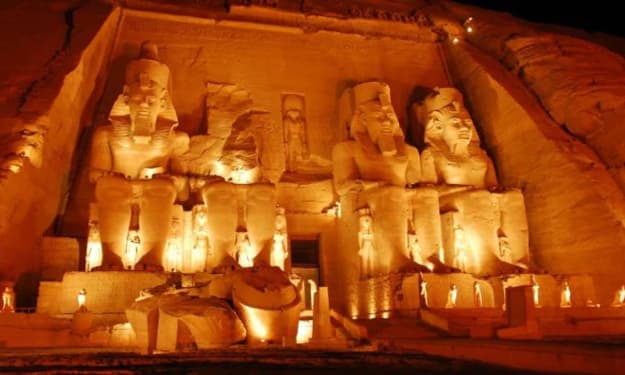
The Ancient Egyptian Civilization stands as one of the most extraordinary and enduring cultures in the annals of human history. Flourishing along the banks of the Nile River for over three millennia, this ancient society left an indelible mark on the development of human civilization. With its monumental achievements in art, architecture, religion, governance, and societal structures, Ancient Egypt continues to captivate the imagination of scholars, historians, and enthusiasts alike. This comprehensive study document seeks to delve deep into the fascinating world of Ancient Egypt, unravelling its mysteries and shedding light on the various facets that contributed to its rise, evolution, and lasting impact on the world.
By Nizam malang2 years ago in History
What is Rhetoric?
Rhetoric is the art of effective or persuasive communication. It encompasses the study and practice of using language and other communication techniques to influence, persuade, or inform an audience. The primary goal of rhetoric is to convince others of a particular point of view or to motivate them to take specific actions. The concept of rhetoric dates back to ancient Greece, where it was a central component of education and public life.
By Gurcu Coskun2 years ago in History
The Most Expensive Soy Sauce in the World
The brown paste is the base for the world's most expensive soy sauce, and it won't be available for sell for another 20 years. While some popular soy sauce brands are less expensive than bottled water, Kamebishi's 20-year aged soy sauce can cost up to £99 for only 55 mL. It's because of koji, a thick soybean mash that's essential to the flavor of this soy sauce.
By Charlice Kaye Madayag2 years ago in History
A Timeless Journey Through History. Content Warning.
Nestled in the northeastern corner of Africa, Egypt stands as a mystical land where the past harmoniously coexists with the present. From the iconic pyramids to the bustling streets of Cairo, this country has captivated the hearts of travelers for centuries. Egypt's rich history, enchanting landscapes, and remarkable cultural heritage make it an extraordinary destination that leaves an indelible mark on anyone fortunate enough to visit.
By Praveen Pk2 years ago in History
The Papal Guardians: Unveiling the World's Smallest Army and Their Weapon of Choice
In the heart of Vatican City, nestled within the hallowed walls of the Apostolic Palace, exists a force like no other—the world's smallest army tasked with protecting the Pope, the spiritual leader of the Catholic Church. Cloaked in history and tradition, these devoted guardians are known as the Pontifical Swiss Guard, and they have been safeguarding the Pope for centuries.
By Erik Velazco2 years ago in History
Double the money within 3 months?
Have you ever heard of the pyramid scheme? it's the most established stunt in the book yet it actually tricks individuals today we as a whole know somebody who was sucked into one of these things right you or your companions might have succumbed to a comparative financial planning plan yet how do these fraudulent business models work and for what reason are they so effective at deceiving individuals.
By Benedict Ferrer2 years ago in History