Ancient
Kris Kringle
The Enigma of Kris Kringle As the holiday season approaches, Kris Kringle often appears in festive tales and traditions. But who is Kris Kringle? Commonly mistaken for another Santa Claus name, Kris Kringle's origins and identity are rich in cultural history and significance. Discover how Kris Kringle evolved from a traditional German 'Christkindl' to the beloved figure in modern Christmas lore. Through Kris Kringle's historical and cultural journey, I hope to shed some light on how this character symbolizes Christmas. This figure symbolizes the spirit of giving and joy throughout the world.
By Festive Fusion Finds2 years ago in History
The Historical Significance Of The Bond OF 1844
A momentous event in the interactions between nations, the Bond of 1844 holds a prominent position in history. In the 19th century, this significant occurrence united multiple countries and established a distinctive bond that influenced diplomatic relations and economic connections for years to come.
By Mike Kumah Lott2 years ago in History
Sri Lanka
Introduction: Nestled in the heart of the Indian Ocean, Sri Lanka is a jewel-shaped island that boasts a rich tapestry of culture and natural beauty. From pristine beaches to ancient temples, this island nation offers a diverse array of attractions that captivate the hearts of travelers. In this comprehensive exploration, we will delve into the famous tourist places and the vibrant cultural heritage that defines Sri Lanka.
By Dharshila Dhevarajah2 years ago in History
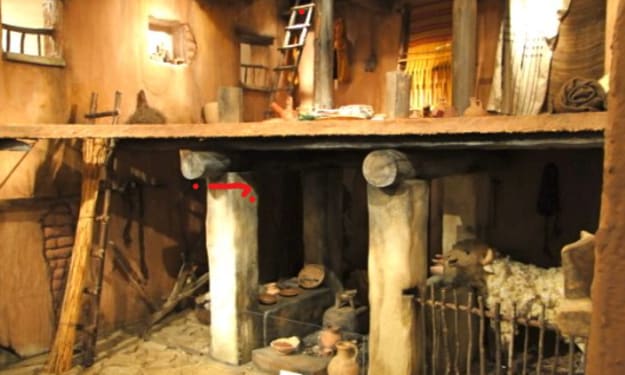
Historical facts differ from the manger scene that is popular during Christmas
Jewish homes were different than what has been portrayed Most television shows and movies about the first Christmas show the Jewish people living in dwellings with only one floor. Manger scenes depict Mary, Joseph, and Jesus in a stable. These are the traditions that have been passed down for centuries but what if historically they are inorrect?
By Cheryl E Preston2 years ago in History
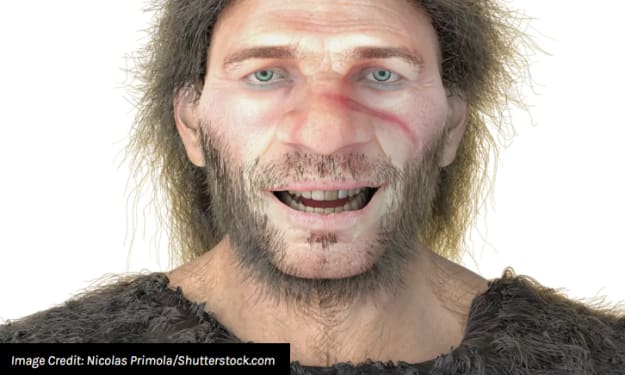
Our ancestors, the Homo sapiens, coexisted with Neanderthals, Denisovans, and other human groups whose genetic heritage is preserved in our genomes.
Between 200,000 and 300,000 years ago, in East Africa, the first modern humans emerged. The world was very different from what it is today. The fact that we, or Homo sapiens, were only one of several species of humans, or hominins, that coexisted on Earth at the same time may have been the greatest distinction.
By Francis Dami2 years ago in History
Emilie du Chatelet
In the tapestry of the 18th century Enlightenment, a name often eclipsed by the shadows of her male counterparts emerges—a luminous figure named Emilie du Chatelet. Born in Paris in 1706, du Chatelet defied the conventions of her time, embarking on a remarkable journey that would contribute significantly to the intellectual progress of her era.
By austin alozie2 years ago in History
Provide an account of the period known as the reign of terror.
Introduction: The period of the French Revolution known as the reign of terror was characterized by a series of measures and numerous public executions in response to the fervor of the Revolution. It lasted from September 5, 1793 to July 27, 1794, with Robespierre serving as the spokesperson for the terror. Under Robespierre's leadership, the terror reached its peak and established a dictatorial regime. Throughout this period, several committees were formed.
By Clinton Chakma2 years ago in History