Analysis
"Unveiling Secrets: The Enigma of the Three Artifacts Discovered Inside the Great Pyramid of Giza"
The enigma surrounding the three objects found inside the Great Pyramid of Giza continues to divide experts in the field of archaeology. These items were discovered by British explorer Waynman Dixon in 1872 in the Queen's Chamber of the pyramid, which is the largest of the Giza pyramid complex and was built as a tomb for Pharaoh Khufu. Despite its age and size, only three objects have been recovered from the pyramid so far, adding to the mystery. These objects, known as the Dixon Relics, consist of a stone ball, a copper hook-shaped object, and a fragment of wood or rod. They were initially found by Dixon, but later disappeared before being rediscovered in 1972 and donated to the British Museum. However, the wooden fragment was missing, and it wasn't until 2019 that it was found in another collection at the University of Aberdeen. After being identified as part of a larger piece of wood, it was determined that the fragment dates back to 3341-3094 BC, much earlier than the estimated construction date of the Great Pyramid. This discovery has sparked new interest in the objects and their purpose, with some suggesting they may have been tools used by the builders of the pyramid or offerings placed there for the deceased king. In 1993, a secret hatch was found in the Queen's Chamber, but it wasn't until 2011 that a robot was developed to explore it. The robot, named 'The Djedi Project' after the ancient Egyptian magician Djedi, was created by a team of international and Egyptian experts and managed by the University of Leeds. It took five years to develop and successfully captured nine hours of footage, revealing a small chamber with intricate symbols painted on the floor. This has raised questions about the purpose of the shaft, with some speculating it served a larger role than just an air vent. The documentary 'The Robot, The Dentist and The Pyramid' was released in 2020, shedding light on the project and its findings.
By Kevin MacELweeabout a year ago in History
Trump assassination attempt: 3 key takeaways from newly released bodycam
Newly released bodycam footage reveals the chaos that unfolded before and after Thomas Crooks' assassination attempt on former President Trump at a rally in Butler, Pennsylvania, last month.
By Duy Ngô Vănabout a year ago in History
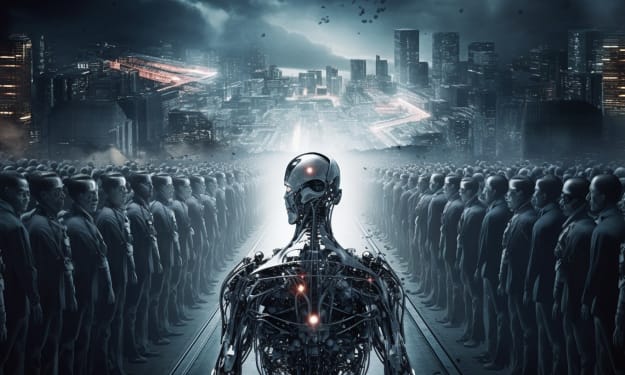
The Greatest Threats To Humanity!
It might seem like the end of the world is nigh at times because of catastrophic storms, the refugee crisis, and the genuine fear of nuclear war. But what are the biggest problems facing mankind, and is there anything we can do to avert them?
By Mariam Fathalrahmanabout a year ago in History
The King Who Faced God
Nebuchadnezzar was revered as a deity, yet his immense power fostered a sense of arrogance within him. Individuals from various backgrounds and professions prostrated themselves before him, perceiving him as a god. His vast wealth and authority contributed to his hubris, resulting in a skewed perspective on life. A strategic approach of Nebuchadnezzar was to exert control over the kings of Judea. He skillfully coerced these rulers into pledging their loyalty and adhering to his directives. Zedekiah was installed as a figurehead monarch to thwart potential insurrections and revolts. The Babylonians devastated Jerusalem's fortifications and plundered the temple. The destruction of the city’s walls rendered it exposed and perilous for its residents. These walls remained in disrepair until they were rebuilt by the exiles upon their return during Nehemiah's era. The Babylonians not only violated the sanctity of the temple but also looted it, seizing numerous treasures, including sacred items from the temple of God, as well as valuables belonging to the king and his officials. The bronze pillars, standing 18 cubits tall with intricate designs, were also taken, alongside the exile of the Israelites to Babylon. In Babylon, the Israelites adapted their faith to their new reality. Daniel's wisdom was recognized as a gift from the divine. Nebuchadnezzar insisted that the magicians disclose both the dream and its interpretation. The Chaldeans acknowledged that true revelation is a divine endowment, that surpasses human capability. Daniel's predicament unveiled his true nature, as he approached the crisis with composure and tact, demonstrating his integrity.
By Isaac Ekow Anyidohoabout a year ago in History
The Death of a King
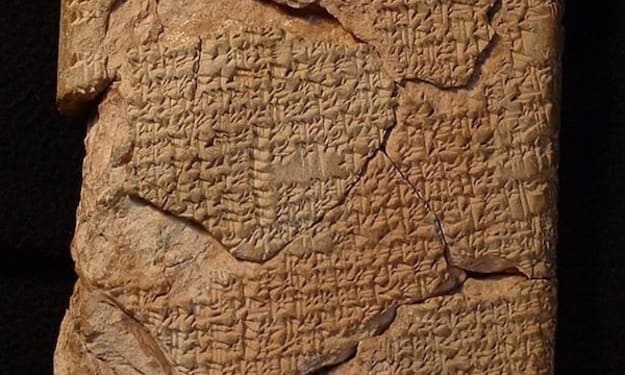
This image displays a cuneiform tablet that has been decoded by the researchers. Researchers have successfully interpreted ancient cuneiform tablets, dating back 4,000 years, which were discovered over a century ago in what is currently known as Iraq. These tablets detail how certain lunar eclipses were believed to foretell death, devastation, and disease.
By Kevin MacELweeabout a year ago in History
Marie Curie: The Trailblazing Scientist Who Revolutionized Science and Medicine
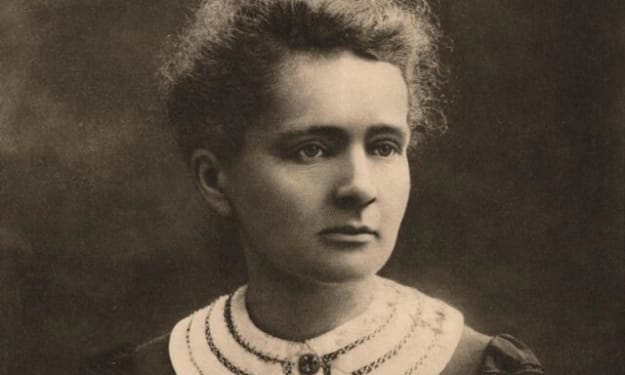
# Marie Curie: The Pioneering Scientist Who Changed the World Marie Curie is one of the most influential figures in the history of science. Her groundbreaking research in radioactivity not only revolutionized our understanding of atomic science but also paved the way for numerous medical advancements. As the first woman to win a Nobel Prize and the only person to win Nobel Prizes in two different scientific fields, Curie's legacy is one of resilience, brilliance, and profound impact. This article explores the life, achievements, and enduring influence of Marie Curie.
By Mbeha maliwa about a year ago in History
Bangladesh
In the heart of the Indian subcontinent, nestled along the lush, fertile plains and the serpentine rivers of Bengal, lies a land of profound beauty and resilience—Bangladesh. The story of its birth is not just a tale of political struggle; it is a saga of a people's undying spirit, a nation's fight for its identity, and the sacrifices of countless souls who dreamed of freedom.
By Aminu Muhammadabout a year ago in History
End Bad Government In Nigeria
The cry to end bad governance in Nigeria is not merely a political slogan; it is the heart-wrenching plea of millions yearning for dignity, justice, and a chance at a better life. It is the silent scream of a nation burdened by decades of corruption, inefficiency, and broken promises. It is the collective voice of a people who have endured too much for too long, standing at the precipice of despair yet holding on to the fragile hope of change.
By Aminu Muhammadabout a year ago in History
The Pleasant Paradox: A Tale of Truth and Tact
Sinopse: In a quaint English village, an eccentric mix of residents grapple with the eternal conundrum: should one always tell the truth, or is it sometimes better to be tactfully dishonest? Follow the lives of these characters as they navigate the treacherous waters of social niceties and blunt honesty, culminating in a lesson that could change the way we all interact.
By Rafael Fiuzaabout a year ago in History
The Genesis of Microsoft:
In the mid-1970s, the world was on the cusp of a technological revolution. A young Bill Gates, a Harvard dropout with a relentless passion for computers, and his childhood friend, Paul Allen, stood at the forefront of this transformation. Their shared dream of a future where computers were accessible to everyone ignited a journey that would change the world forever. In 1975, in a modest Albuquerque motel room, they founded Microsoft, a name that would soon become synonymous with personal computing.
By Aminu Muhammadabout a year ago in History