Analysis
Can We Trust Ancient Texts? Unveiling the Truth Behind Historical Manuscripts
Introduction The trustworthiness of ancient texts has long been a subject of debate among historians, scholars, and enthusiasts. With advancements in technology and archaeology, our ability to scrutinize and verify these texts has improved significantly. But can we really trust these ancient manuscripts? This article explores the methods used to validate historical documents, highlights some notable case studies, and discusses the challenges and controversies surrounding their authenticity.
By Marveline Merababout a year ago in History
The True Story Behind Disney’s Pocahontas: A Historical Analysis
Introduction: The Real Pocahontas Contrary to the romanticized portrayal in Disney's animated film, the real story of Pocahontas is far from a fairy tale. Born Matoaka and later known as Amonute, Pocahontas's life was marked by tragedy rather than romance. She was one of the early Missing and Murdered Indigenous Women (MMIW), whose story has been overshadowed by myths and misrepresentations.
By Marveline Merababout a year ago in History
Presidential Debates
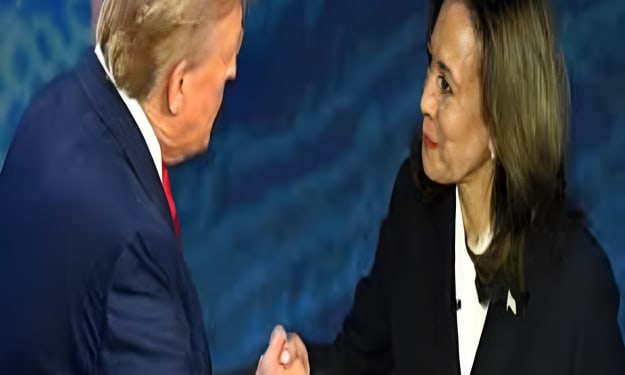
Presidential debates are one of the most significant events in any election, especially in the United States. These debates give the public a chance to see the candidates face off against each other, discuss key issues, and defend their policies. They provide a platform where voters can better understand each candidate's vision, their leadership style, and their plans for the country's future.
By Farhan Sayedabout a year ago in History
The Story of Mary (Mother of Jesus)
Mary, also known as the Virgin Mary, holds a central and revered position in Christianity as the mother of Jesus Christ. Her story is primarily told in the New Testament, with significant references in the Gospels of Matthew and Luke, and additional mentions in other Christian and Islamic traditions. Mary is regarded as a symbol of purity, faith, and obedience to God.
By Landing Badji about a year ago in History
How the Atomic Bomb Destroyed the Life of its Creator
As J. Robert Oppenheimer witnessed the successful detonation of the world's first nuclear weapon, he was haunted by its devastating implications. Recalling a line from the Hindu scripture, the Bhagavad Gita, he said, "Now I am become Death, the destroyer of worlds." Oppenheimer, a man of remarkable intellect and talents, spoke eight languages and wrote poetry, but he would forever be remembered as the "father of the atomic bomb" - the man who gave humanity the power to destroy itself.
By Gilbert Ay-ayen. Jrabout a year ago in History
"Hurricane Francine:
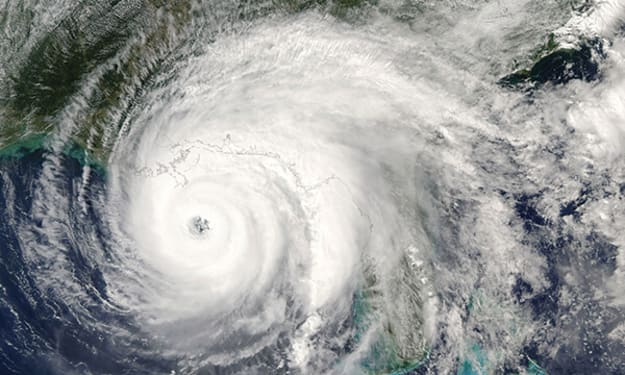
Hurricanes are one of the most powerful forces of nature, leaving a trail of destruction in their wake. Each storm is a unique event, and while meteorologists work tirelessly to track them, the impact on human lives is often unpredictable. Hurricane Francine, which struck with unprecedented ferocity, was a vivid reminder of nature’s ability to wreak havoc. However, amid the destruction, it also revealed remarkable stories of resilience, as communities came together to rebuild their lives.
By Obo Natureabout a year ago in History
From Science Fiction to Reality. AI-Generated.
From Science Fiction to Reality: The Evolution of AI and Its Impact on Society Introduction Artificial Intelligence (AI) has made an extraordinary leap from the pages of science fiction to becoming a crucial part of our daily lives. What once seemed like a distant dream of futuristic worlds is now a reality shaping everything from how we work to how we interact with the world around us. In this article, we'll explore the fascinating journey of AI, from its roots in imaginative fiction to its present-day role in society, and the profound impact it has on our lives.
By Adebayo Mahmudabout a year ago in History