
Swat Valley Buttons
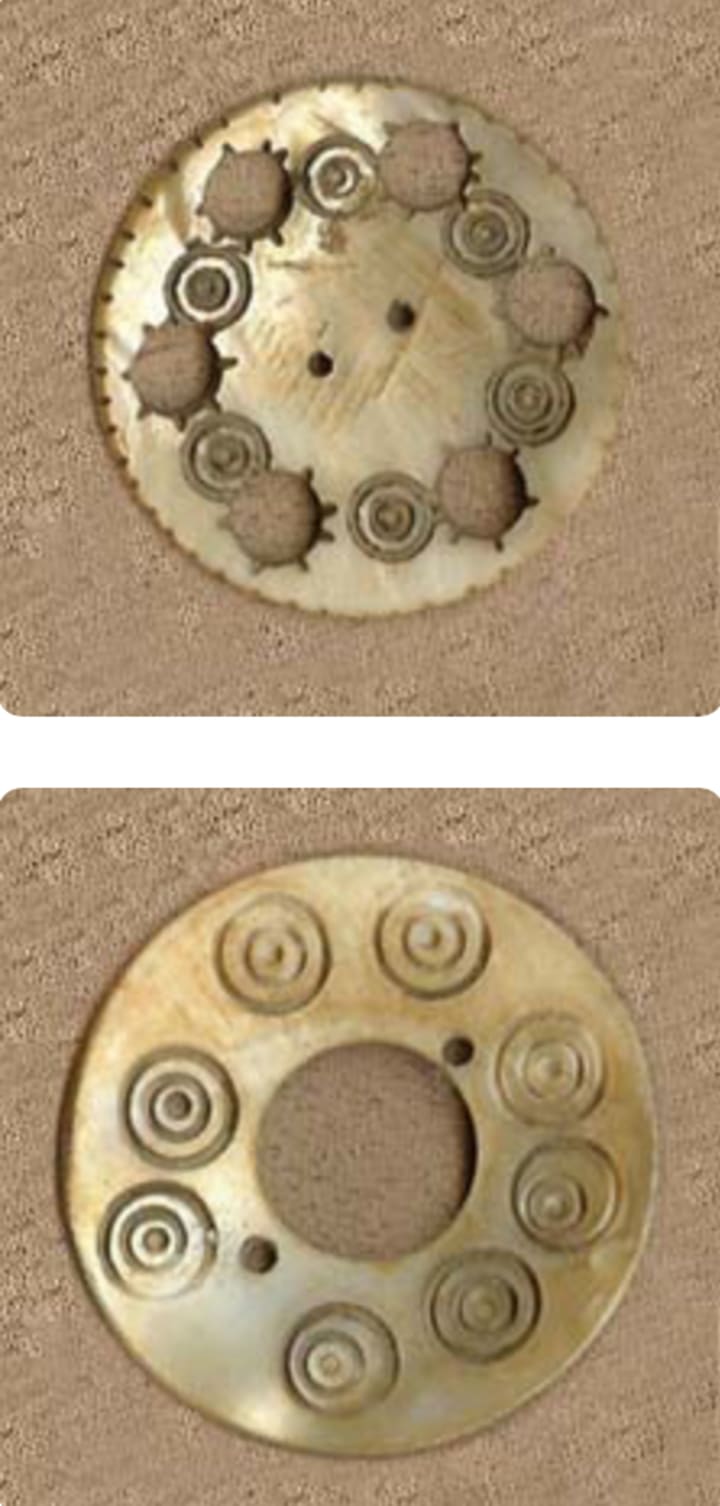
Shell buttons with an ancient history.

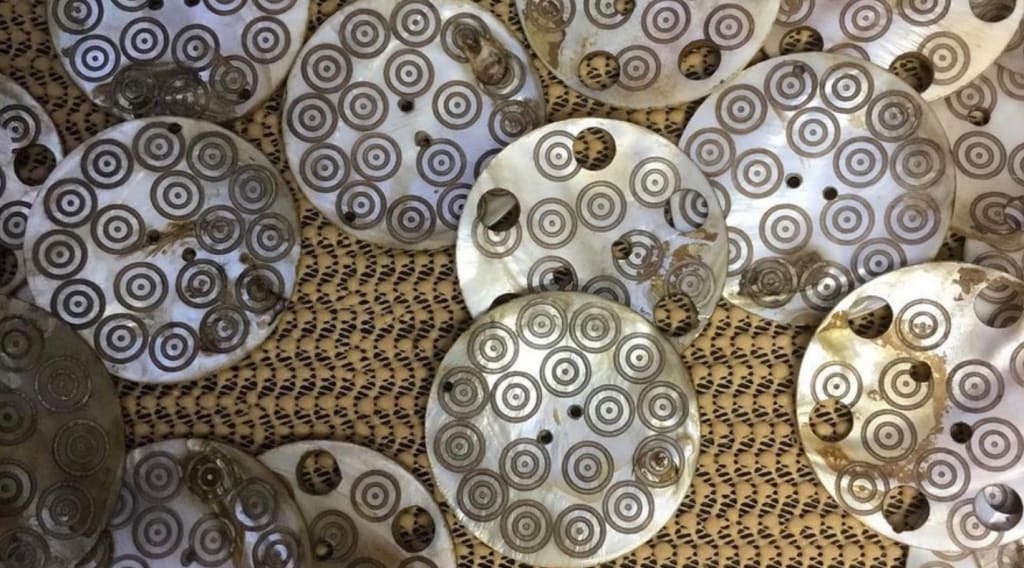
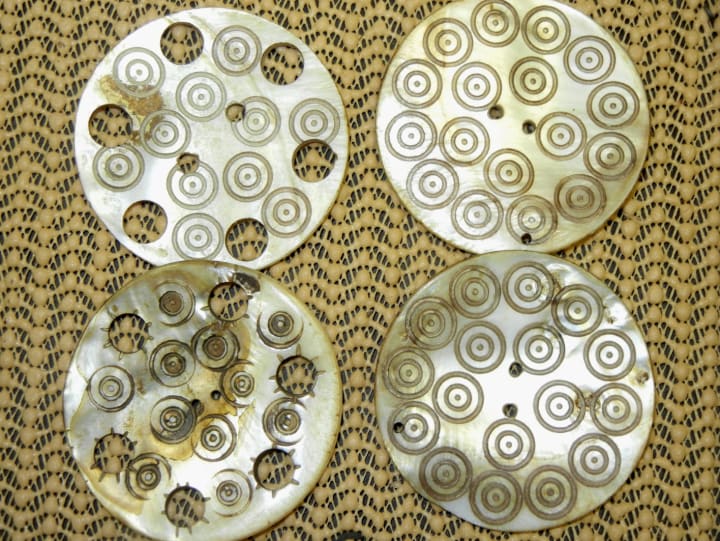
first discovered these beautiful shell buttons in Tucson while visiting a vendor after the days business was finished, and we were having a beer and some food in his booth/room. I looked in a paper bag stashed under a table and saw these incredible buttons inside. When I asked him what they were, Zahair told me they were old vintage Swat Valley buttons from Pakistan. There were about 400 buttons, and there were about 4 different sizes and designs. I bought them all on the spot, and my love affair with these fabulous buttons began.
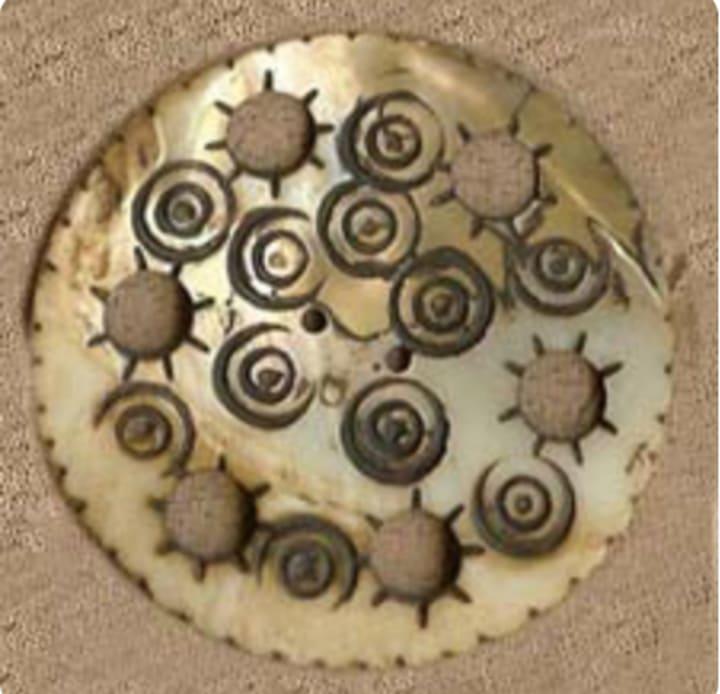
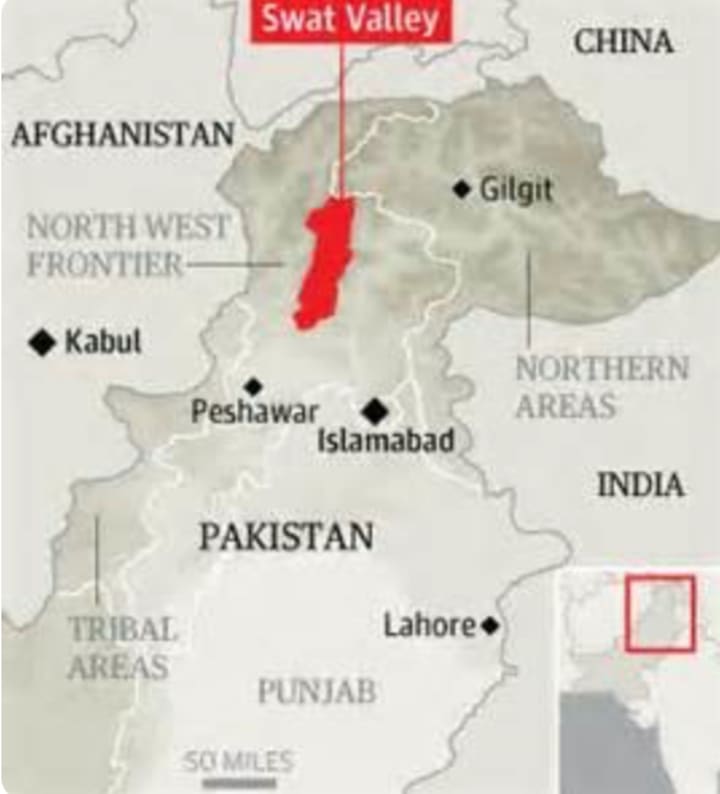
Zahair is Afghani, and sold tribal antiques from Afghanistan and Pakistan. He told me these buttons were over 100 years old, and came from Gilgit, the regional city of the area in the Swat Valley of Northern Pakistan and the North Western Tribal Areas. Gilgit is on the crossroads of the ancient Silk Road, which was used by traders traveling from China to the west and India. I did more research, and found articles posted on the web by Kathleen of Global Beads in Mountain View, California, and Julie of Tika Imports. Both confirmed that these buttons were as Zahair stated. These buttons are also known as "Tany". The shell would have been imported into Gilgit from the Arabian Ocean, Indian Ocean and South China Sea, and quite possibly the Mediterranean Sea, brought in on camel trains along the Silk Road.
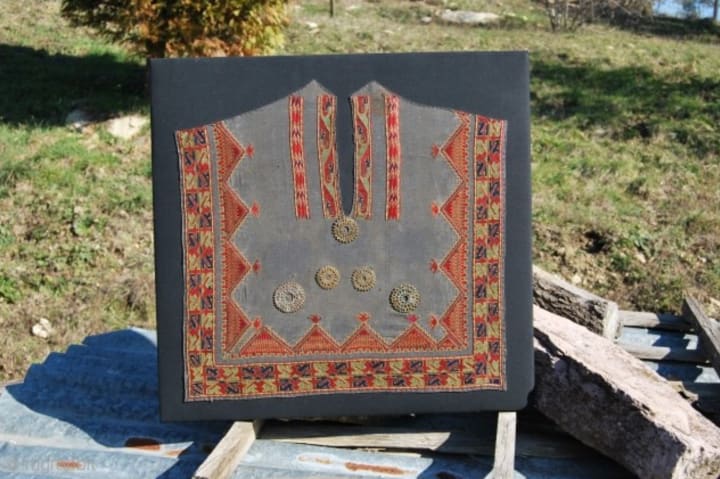
My stash sold out quickly, and soon I was scrambling to find more. I found a new source out of Pakistan, who had thousands in stock, of which I have been able to replenish my inventory several times. According to my new supplier, the Tany (Gilgit or Swat Valley buttons) in my collection (and photographed here) were carved in Gilgit, Pakistan between 1905 and 1930 during the British Raj era and were worn on traditional clothing and hats.
Also according to my supplier, the President of Pakistan has declared antique Tany buttons a national treasure and not permitted to be exported out of Pakistan any longer. So as the antique button stashes run out, we will have to rely on new shell Tany buttons to fill our needs. And currently we still have some of the old ones still in stock in our warehouse.
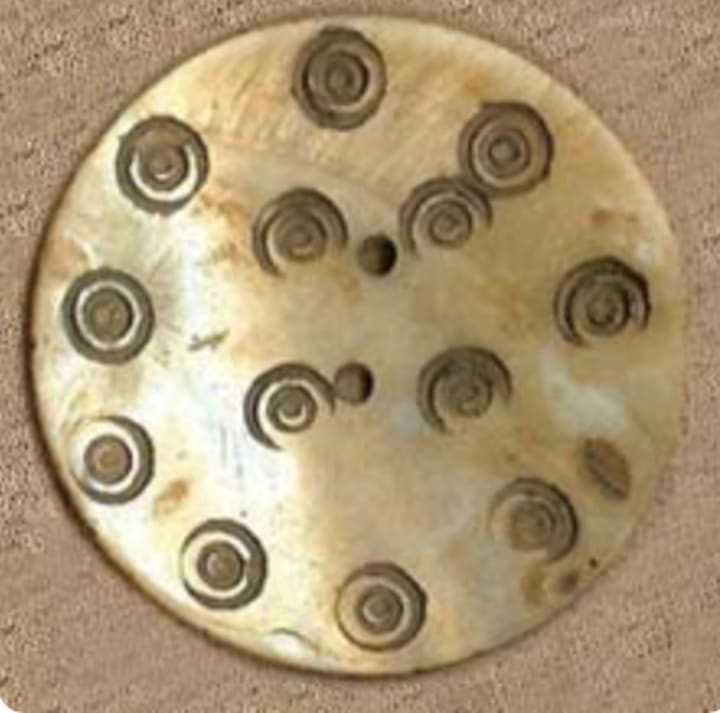
Fairly new Gilgit buttons
Talking to Julie of Tika, who specializes in this area, new Tany are still being carved in Gilgit, but the shell looks new (does not have the golden patina which developed over the century the antique ones have been in existence) and have floral curved edges which look different than the old ones. The circles and dots carved into the buttons are Buddist symbols known as Gandhara.
New buttons are substantially cheaper in price than the antiques. But Pakistan is well known to have very talented smugglers, so as long as there are customers for antique buttons, and as long as there are antique buttons, sources will be available. Besides the fact, that Pakistan has bigger problems than button smugglers to worry about. Sometimes it is difficult to tell the new form the old, so we rely heavily on our suppliers. According to Ijaz Khan of Indus Valley, a Santa Fe, New Mexico based tribal bead supplier who was born and raised in the Swat Valley, new shell buttons based on the Swat Valley buttons are still made and sold in Karachi, Pakistan and other coastal towns in Pakistan, but are very inferior to the older buttons like in my collection. In a recent 2016 conversation I had with Ijaz he stated that the buttons in my collection are impossible to obtain anymore as there are none left in Pakistan except in museums. One reason he gives for these buttons not being found is that the traditional clothing they were embellished on are not worn anymore. Ijaz had a few 1970 - 1980 era Tany buttons in his booth available for purchase, and even those are not available in Gilgit anymore. In fact, he stated that he goes to Gilgit and surrounding towns in the Swat Valley every couple of years and the markets have dried up for antiques completely.
One other major problem for me as an importer is that I like to go to areas of interest to find items such as the Gilgit buttons and purchase them direct either from the market or from the manufacturer.
The Swat Valley, being up north in the tribal areas of Pakistan, has become off limits to Americans because the area is a hotbed of militancy and terrorism, and currently is the place the US is fighting the Taliban with drone attacks. We are not well loved there and a business trip to the region could definitely end in disaster. So we will have to rely on Pakistani suppliers to bring the product to us. Our most recent supplier is an Afghani Pustan who visits the area once a year. On his last trip, March 2013, he only stayed four days because anything longer and people will start to pay attention to him and he could be kidnapped. He is also an American citizen, which would increase his danger. It is quite possible that this button has now vanished completely into history.
About the Creator
Guy lynn
born and raised in Southern Rhodesia, a British colony in Southern CentralAfrica.I lived in South Africa during the 1970’s, on the south coast,Natal .Emigrated to the U.S.A. In 1980, specifically The San Francisco Bay Area, California.


Comments
There are no comments for this story
Be the first to respond and start the conversation.