
Sutton Hoo: The Enigmatic Anglo-Saxon Burial Ground
Old England

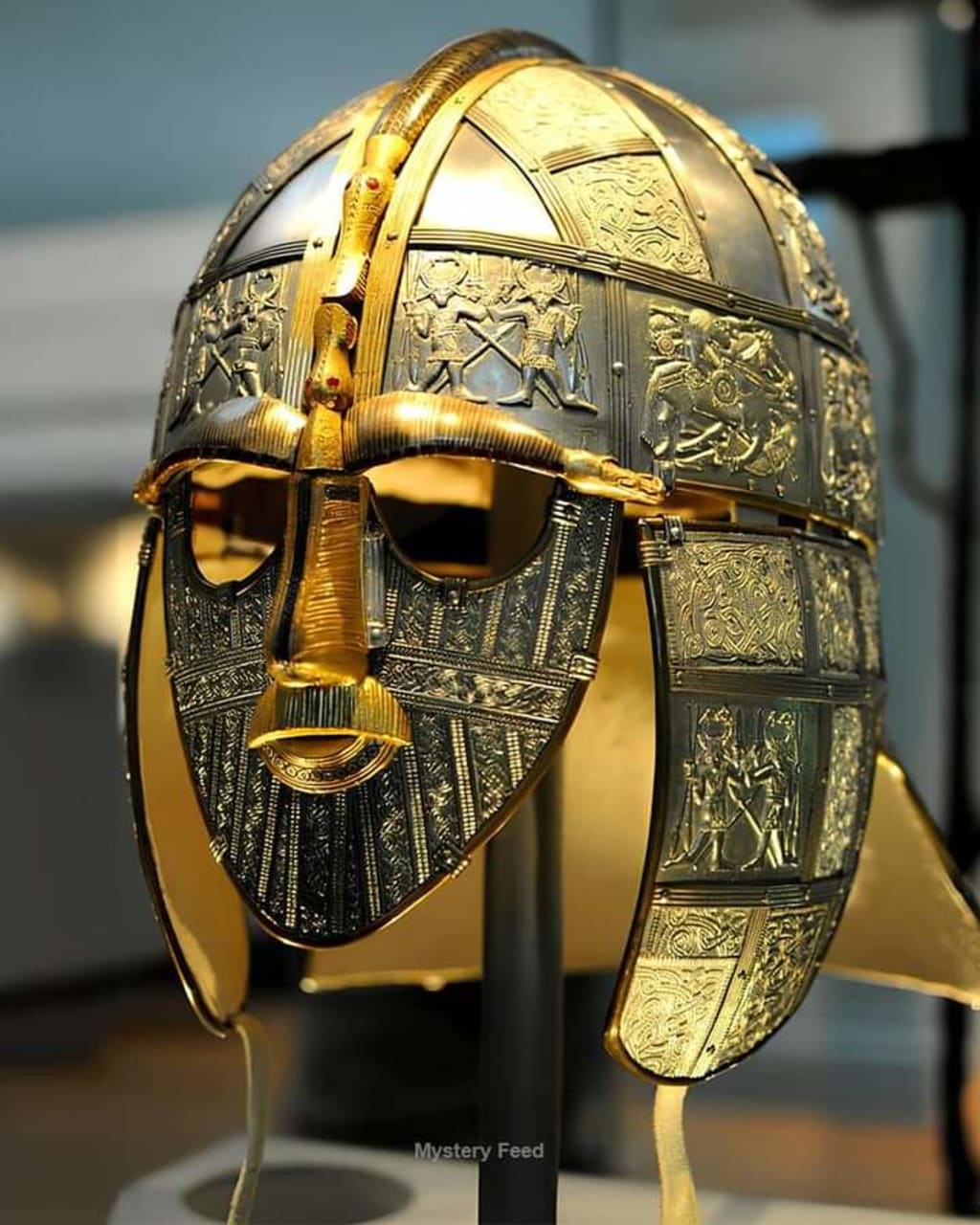
In the summer of 1939, as the shadow of war loomed over Europe, a discovery was made in the quiet Suffolk countryside that would forever alter our understanding of England’s early medieval past. The Sutton Hoo burial site, located near Woodbridge, Suffolk, revealed a treasure trove of Anglo-Saxon artifacts that astounded archaeologists and historians alike. This 7th-century ship burial was not only a testament to the craftsmanship and wealth of the time but also an intriguing mystery, with the absence of human remains leaving scholars to speculate on the identity of the individual buried there.
The Sutton Hoo discovery is often compared to Egypt's Tutankhamun, given its scale and significance in uncovering the rich culture of early Anglo-Saxon England. The site includes a ship burial, an ancient tradition where a boat is used as a vessel to carry the dead into the afterlife, filled with objects meant to accompany the deceased on their journey. Though the acidic soil had dissolved any human remains, the grandeur of the grave goods pointed to a burial of immense significance, potentially even royal.
The Treasures of Sutton Hoo
At the heart of the Sutton Hoo find is the ship itself—an 88-foot-long wooden vessel that had been carefully buried beneath a mound of earth. Although the wood had long since decayed, its imprint remained in the soil, allowing archaeologists to trace its shape and size. The ship, a symbol of power and prestige, was the centerpiece of the burial, indicating that whoever was laid to rest here was no ordinary individual.
Among the many treasures unearthed was a ceremonial helmet, one of the most iconic artifacts of Anglo-Saxon England. The Sutton Hoo helmet, with its intricate designs and warrior's face mask, stands as a masterpiece of early medieval metalwork. The helmet is adorned with decorations that include figures of animals and warriors, reflecting both the craftsmanship and the cultural values of the time. Alongside the helmet were other symbols of power and warfare: a sword, a shield, and a coat of mail. These objects suggest that the individual buried at Sutton Hoo was not only wealthy but also a figure of military importance, possibly a king or a high-ranking warrior.
The treasures did not end there. Gold and garnet jewelry, bowls, and coins were also found at the site, each piece a testament to the wealth and artistry of the Anglo-Saxon period. The craftsmanship displayed in these items is remarkable, with intricate patterns, vivid colors, and sophisticated techniques that rival those of any other culture in Europe at the time. The presence of these luxury goods points to an elite burial, and scholars have speculated that the grave may have belonged to none other than King Rædwald of East Anglia.
Who Was Buried at Sutton Hoo?
The identity of the individual buried at Sutton Hoo remains one of the greatest mysteries of the site. While the opulence of the grave goods suggests a royal burial, the lack of human remains makes it impossible to determine for sure who was laid to rest in the ship. Scholars have long debated the identity of the occupant, with King Rædwald, who ruled East Anglia in the early 7th century, often suggested as the most likely candidate. Rædwald was a powerful ruler, known for his conversion to Christianity while maintaining ties to traditional Anglo-Saxon paganism, a duality reflected in the mixture of Christian and pagan symbols found at Sutton Hoo.
Rædwald’s reign coincides with the approximate date of the burial, and historical records suggest that he was a figure of great wealth and influence. His conversion to Christianity also hints at a connection to some of the Christian symbols found among the grave goods, including a set of silver spoons engraved with the names of the apostles. However, without definitive proof, this theory remains speculative, and the true identity of the Sutton Hoo occupant continues to elude historians.
The Absence of Human Remains
One of the most perplexing aspects of the Sutton Hoo burial is the absence of human remains. The acidic soil of Suffolk had eroded any bones over the centuries, leaving no trace of the body that once lay in the ship. This absence has fueled much debate about the nature of the burial. Was the ship burial symbolic, or did it once contain a body that has since disappeared?
Some archaeologists have suggested that the burial may have been a cenotaph—a monument erected in honor of a person whose remains are elsewhere. Others propose that the body had simply decayed due to the unfavorable soil conditions. The discovery of fragments of organic material near the burial mound has been interpreted by some as remnants of a wooden coffin or a body wrapped in cloth, but the evidence remains inconclusive.
The Legacy of Sutton Hoo
Despite the questions surrounding the burial, Sutton Hoo stands as one of the most important archaeological finds in British history. The site has provided invaluable insights into Anglo-Saxon culture, offering a glimpse into the world of early medieval England, a time of emerging kingdoms, powerful rulers, and rich cultural traditions. The treasures found at Sutton Hoo have helped historians piece together the political, religious, and social landscape of the time, highlighting the connections between the Anglo-Saxons and other cultures across Europe.
The mystery of Sutton Hoo has also captured the public imagination, inspiring numerous books, documentaries, and even the 2021 film The Dig, which dramatizes the discovery of the site. As archaeologists continue to study the artifacts and the site itself, new findings may yet emerge that shed further light on this enigmatic burial.
For now, the identity of the Sutton Hoo burial remains an open question, a puzzle from the depths of history that continues to fascinate and mystify. The grandeur of the burial and the exquisite craftsmanship of the artifacts remind us of the rich cultural heritage of Anglo-Saxon England, offering a tantalizing glimpse into a world long past but not forgotten.
About the Creator
Keep reading
More stories from Deji Akomolafe and writers in History and other communities.
Raahe Wanha Herra: The Old Gentleman of Raahe – The World's Oldest Surviving Diving Suit
In the small town of Raahe, Finland, an extraordinary relic from the 18th century is carefully preserved in the Raahe Museum—a relic that holds the distinction of being the world’s oldest surviving diving suit. Known affectionately as the “Raahe Wanha Herra” or “The Old Gentleman of Raahe,” this unique piece of maritime history offers a fascinating glimpse into the early innovations of deep-sea exploration. Constructed from calfskin and waterproofed with a mixture of pork fat, tar, and pitch, the suit is a testament to the ingenuity of its time, when venturing beneath the waves was both dangerous and mysterious.
By Deji Akomolafeabout a year ago in History
The Year 1957 in Review: Fun Facts, Trivia, and Historic Highlights
This quick read is a collection of fun facts, trivia, and historical events from the year 1957. Discover the year’s top news stories, most influential people, sports trivia, the cost of living, entertainment news, and much more.
By Gregory DeVictor4 days ago in History



Comments (1)
Sir please tell me about a milestone have you heat it before I am new on vocal