
Raahe Wanha Herra: The Old Gentleman of Raahe – The World's Oldest Surviving Diving Suit
Oldest diving suit

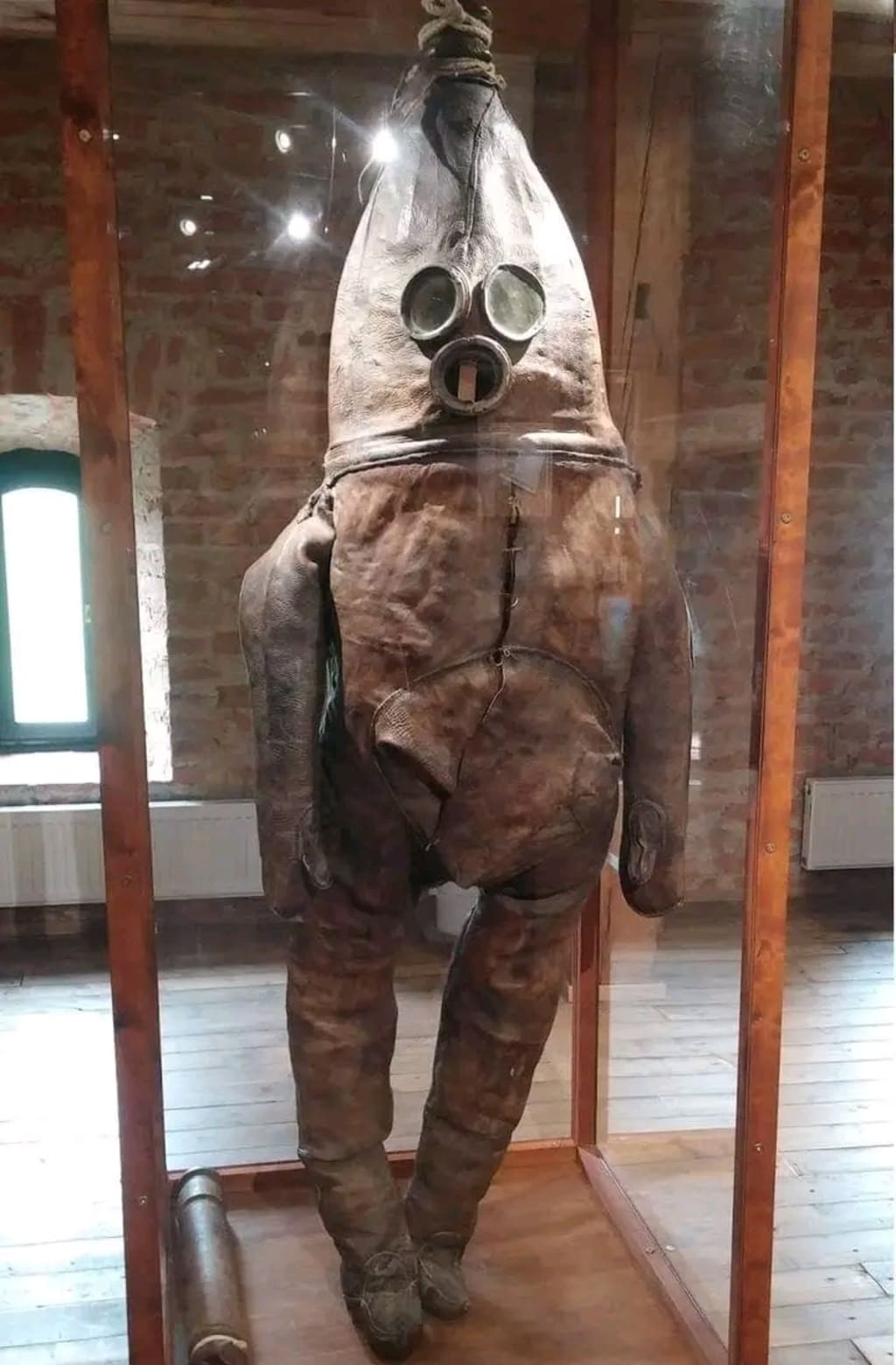
In the small town of Raahe, Finland, an extraordinary relic from the 18th century is carefully preserved in the Raahe Museum—a relic that holds the distinction of being the world’s oldest surviving diving suit. Known affectionately as the “Raahe Wanha Herra” or “The Old Gentleman of Raahe,” this unique piece of maritime history offers a fascinating glimpse into the early innovations of deep-sea exploration. Constructed from calfskin and waterproofed with a mixture of pork fat, tar, and pitch, the suit is a testament to the ingenuity of its time, when venturing beneath the waves was both dangerous and mysterious.
Origins of the Raahe Diving Suit
Dating back to the 1700s, the Raahe Wanha Herra was likely created for use in salvage operations or underwater repairs, activities crucial for Finland's maritime economy. Although diving technology had been around since antiquity, the creation of practical, functional diving suits was still in its infancy during the 18th century. The diving suit from Raahe stands as one of the earliest known examples of such innovation. Its preservation is remarkable, allowing modern observers to study its design and construction in detail.
The suit was made from stitched calfskin, a material that, while flexible, required treatment to make it waterproof. The suit’s creators ingeniously coated it with a mixture of pork fat, tar, and pitch to seal out water. This combination was a common waterproofing technique used for boats and other equipment exposed to harsh marine environments. The suit's construction reflects the resourcefulness of its makers, who utilized locally available materials to create a functional suit capable of withstanding the pressures of underwater work.
Design and Functionality
One of the most interesting features of the Raahe Wanha Herra is its hood-shaped headgear. Reinforced with a wooden framework, the hood was designed to protect the diver’s head while also providing ventilation. In the upper part of the hood, an opening was created for a wooden air pipe, which allowed air to be pumped down to the diver from the surface. This air pipe was essential for keeping the diver alive underwater, as there were no modern oxygen tanks or regulators available at the time. Air would be manually pumped down through the pipe, allowing the diver to breathe while submerged.
The wooden framework inside the hood not only reinforced the structure but also helped to distribute the pressure exerted by the water, making it more comfortable for the diver to wear. The calfskin suit, while rudimentary by modern standards, would have provided some insulation against the cold waters of the Baltic Sea, though diving in such conditions would still have been a grueling and perilous task. The suit covered the diver’s entire body, protecting them from the elements and minimizing the risk of hypothermia during prolonged dives.
The design of the Raahe Wanha Herra, while simplistic, was effective for its time. It allowed divers to perform underwater tasks such as retrieving cargo, repairing ships, or salvaging wrecks—activities that were critical for the bustling maritime trade of the 18th century. Despite its basic construction, the suit represents a significant step forward in the evolution of diving technology.
The Historical Significance of the Raahe Wanha Herra
The Raahe diving suit’s survival into the present day is a remarkable feat of preservation, and it offers valuable insight into the early history of underwater exploration. At a time when the depths of the ocean were largely unknown and considered treacherous, the development of functional diving suits like the Raahe Wanha Herra opened new possibilities for maritime industries.
During the 1700s, Finland’s economy was heavily reliant on maritime activities, with shipbuilding, fishing, and trade playing central roles. The ability to perform underwater repairs or recover valuable cargo from shipwrecks would have been a significant advantage, making diving suits like the Raahe Wanha Herra indispensable tools for those working at sea. The suit’s existence suggests that there was already a practical understanding of how to manage the challenges of underwater work, even without the advanced technologies we associate with modern diving.
The suit also highlights the innovation of the time. While it may appear primitive compared to today’s sophisticated diving equipment, the Raahe Wanha Herra represents a creative solution to the problem of underwater exploration. Its makers used the materials they had available—calfskin, wood, tar, and pork fat—to craft a suit that met the needs of its time, and its survival today allows us to appreciate the ingenuity of early diving pioneers.
The Legacy of the Old Gentleman of Raahe
Today, the Raahe Wanha Herra is housed in the Raahe Museum, where it continues to draw the attention of historians, diving enthusiasts, and visitors interested in maritime history. As the oldest known surviving diving suit, it occupies a unique place in the history of underwater exploration. The suit serves as a reminder of the early efforts to conquer the underwater world, long before the advent of modern diving technology.
The preservation of the suit is a testament to Finland’s maritime heritage, and it stands as a symbol of the close relationship between the people of Raahe and the sea. The suit, with its combination of traditional craftsmanship and innovative design, reflects the ingenuity and resourcefulness of the people who relied on the sea for their livelihoods.
In conclusion, the Raahe Wanha Herra offers a fascinating window into the early history of diving. As the world’s oldest surviving diving suit, it tells the story of a time when the depths of the ocean were as mysterious as the far reaches of space. The Old Gentleman of Raahe may be a relic of the past, but it continues to inspire awe and curiosity about the brave individuals who first ventured beneath the waves, pushing the boundaries of human exploration and innovation.
About the Creator
Keep reading
More stories from Deji Akomolafe and writers in History and other communities.
Atlit Yam: A 9,000-Year-Old Window into the Neolithic Past
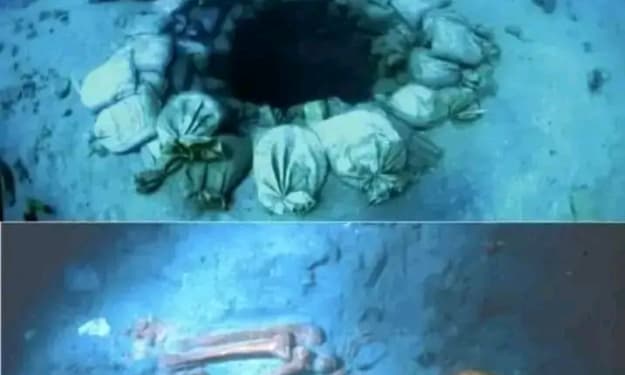
Submerged beneath the waters off the coast of Atlit, Israel, lies one of the most remarkable archaeological discoveries of our time: Atlit Yam, a 9,000-year-old Neolithic village. This ancient settlement, now resting 8 to 12 meters underwater, provides a detailed glimpse into the lives of people during the final Pre-Pottery Neolithic period, which dates back to between 6900 and 6300 BC. Atlit Yam, which spans around 10 acres, is not only an impressive testament to human ingenuity and survival but also a treasure trove of information about early agriculture, freshwater management, and social structures.
By Deji Akomolafeabout a year ago in History
Seven Dials
Introduction Seven Dials is a famous and historic area located in London, England. It is found near Covent Garden, one of the busiest and most popular parts of the city. Seven Dials is known for its unique road design, rich history, old buildings, shops, cafés, and lively atmosphere. Today, it is a popular place for tourists and local people who enjoy culture, shopping, and history.
By Farhan Sayed4 days ago in History
A secret staircase found beneath a 1,500-year-old French church
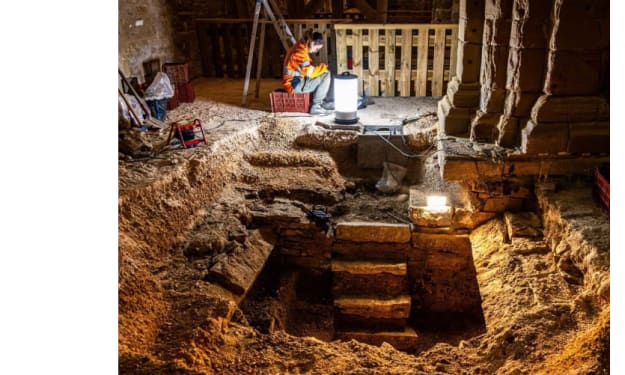
A subterranean staircase and burial strata dating back approximately 1,500 years were discovered during a project inside the Church of Saint Philibert in Dijon, France. The stairs were discovered by restoration workers inside the church when repairs were being made, and the excavation soon ensued.
By Francis Dami4 days ago in History


Comments
There are no comments for this story
Be the first to respond and start the conversation.