
Strange Things People Ate To Keep Themselves Alive During Historical Famine
And why it's relevant now.

So many times in our world's history have people endured famine. War, the environment, vermin, and people themselves can bring on a food drought. Not only did people have to fight off starvation, they had to get creative in order to be able to survive and stave off malnutrition.
Today we'll look at some of the things people ate to stay alive. This article may not be of any help to you now, but having the knowledge of what and how to eat if food shortages and famine come back around could just save your life.
Bark Bread
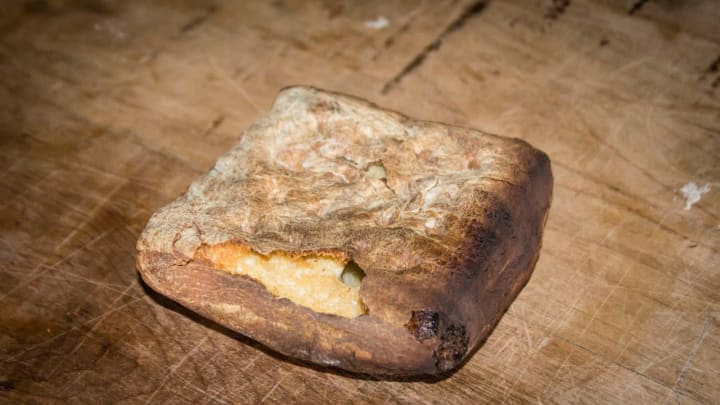
Bark bread is made by adding inner bark from a tree, which contains organic elements that add nutrition and extend flour. Bark meal is actually high in fiber and has more zinc, magnesium, and iron than rye and wheat combined.
It was a staple food for our ancestors and was used extensively during the famines in Finland and Norway. Typically, trees including elm, ash, aspen, rowan, birch, pine, and moss were used to make it.
The only edible portion of a tree trunk is its inner bark; the remaining bark and wood are composed of cellulose, which is indigestible to humans. About one-third of the leftover grain flour was supplemented with the dried and crushed inner bark, or "bark flour."
Stinging Nettle
Nettle and orache were used to produce bread and soups during famines in Russia (but they can also be used to make purée, polenta, and pesto). Native Americans also frequently consumed two species of orache: chamiso and shadscale. Both have a lot of vitamin E, which is essential during a food crisis.
Nettle is high in calcium, iron, potassium, manganese, and vitamins A, C, and tastes just like spinach when cooked in the same manner. The stinging compounds in stinging nettles can be eliminated by boiling or soaking them in water.
During the Leningrad Siege, machine oil—the only oil left—was used to make some breads out of orache and bran. Pressed seed hull cakes were made from processing hemp, linseed, sunflower, or cotton. These actually kept people alive.
The Potato Famine
Because of the terrible potato disease (blight) that caused it, it is also known as "The Potato Famine." As food prices continued to rise, the men could not make enough money to support themselves, much less their families, because corn meal only cost a few pennies per pound.
Children therefore often went without food in order for parents to continue being well enough to work and earn the much-needed money. Many of the laborers fainted or even passed out on the spot due to their inadequate clothing, starvation, and temperature.
In the countryside, the Irish started to live on wild blackberries, nettles, turnips, old cabbage leaves, edible seaweed, mushrooms, shellfish, roots, moss, frogs, and even green grass.
Stirabout
"Stirabout" is a thick porridge cooked with water that is composed of two-thirds Native American corn flour and one-third rice. By summer, a four-ounce slice of bread and a pound of stirabout were enough to keep most Irish people alive.
Sego Lilies
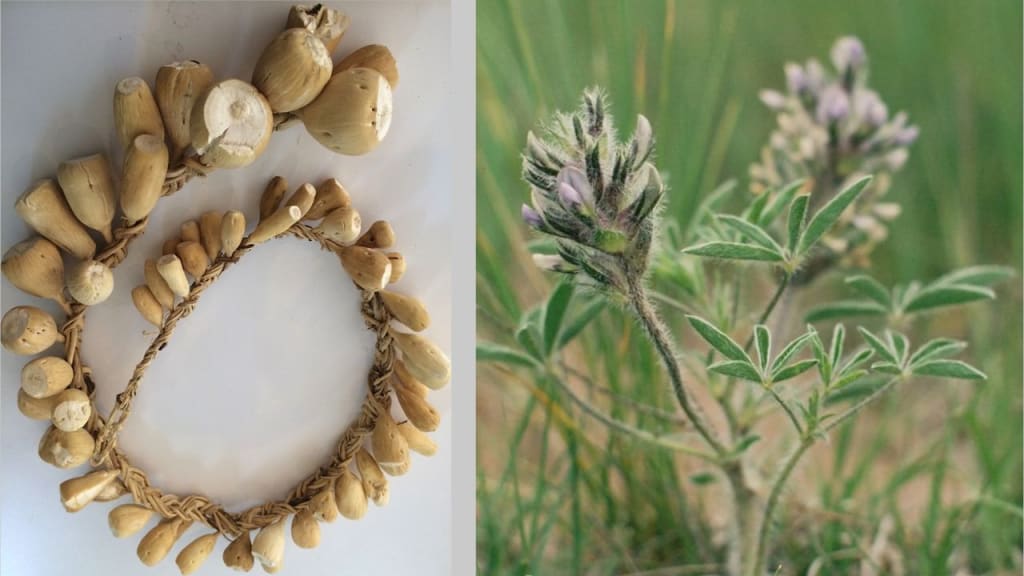
When their food crops failed, the Mormon pioneers ate the bulbs of sego lilies. The bloom is the official state flower of Utah and is native to the Western United States. The flower's bulbs were boiled, roasted, or turned into porridge.
Sugar Beets
They consumed and boiled sugar beets as well. These have a high fiber and manganese content and a respectable amount of magnesium, potassium, and vitamin C. But the plant's nutritional powerhouse is actually the greens. They have extremely high levels of fiber, calcium, iron, magnesium, copper, manganese, vitamin A, vitamin C, and vitamin K, as well as riboflavin.
Grass peas
Grass peas are considered an "insurance crop" since they offer results even in the event that all other crops fail, making them especially useful in regions that are vulnerable to famine and drought.
However, consuming grass peas can lead to an illness that essentially paralyzes the lower limbs. The sickness only manifests itself when the seeds—which are safe to eat for days or even weeks—are used as the main source of protein for an extended period of time.
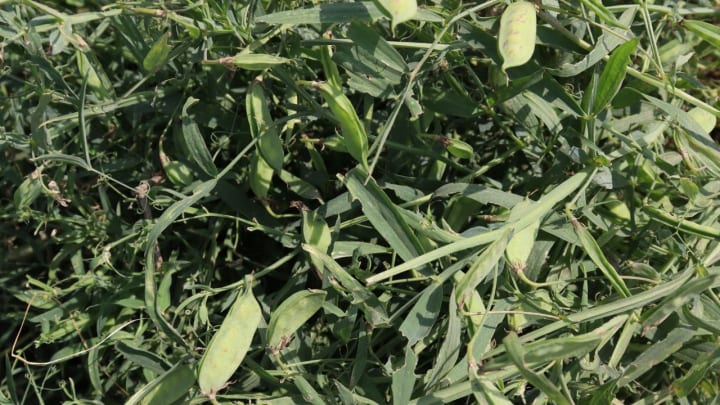
To remove the toxicity, flour was created from grass peas, or almorta, and combined with wheat flour.
Prairie Turnips
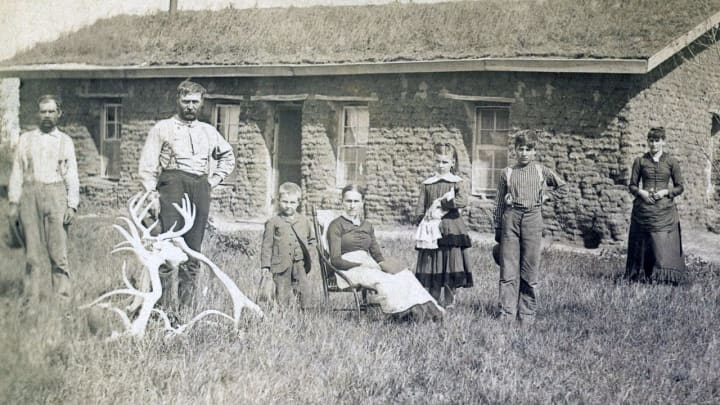
Timpsula, prairie turnip, white apple, and Indian breadroot are other names for prairie turnips. They've been a staple food harvested by the Lakota for millennia, and also used by pioneers to keep their bellies full. The tubers are peeled before consumption and have a tough, dark skin. While some were eaten right away, either raw or cooked, the majority were dried and stored for later use. They were cut into slices and allowed to dry in the sun, braided and dried on meat racks, and ground into flour.
Weeds
Yes, people ate weeds. Some of the very same weeds I'm sure you pull or spray in your garden and lawns. Some of these weeds actually kept people alive:
- Purslane
- Lambs Quarters
- Tumbleweed
- Fiddlehead Ferns
- Dandelion
- Milkweed Pods
- Sorrel
- Shepherds Purse
Hardtack
Hardtack was made from flour, water, and salt and was commonly eaten during the Civil War. It was made famous because it was awful. Soldiers would commonly dip their hardtack in water to soften it, and on holidays, if they were lucky enough, fat or lard (if there was any.)
People also ate terrible things, like rotten meat and animal food.
About the Creator
Rootbound Homestead
Rootbound Homestead is a community bound by roots. Leaving our old comfy life in FL to move to NY to start living cleaner, more simply, and with purpose. Garden hacks, tips and tricks, natural medicine, healing, animals, recipes and more!
Keep reading
More stories from Rootbound Homestead and writers in History and other communities.
Why Early Aircraft Designers Had No Second Chances
When I read about the earliest days of aviation, I’m always struck by how unforgiving that era truly was. Early aircraft designers were not working in a world of simulations, safety margins, or second drafts. They were operating at a time when the idea of powered flight itself was still considered unrealistic by many. Every design decision they made was tested not in theory, but in the open air, often with the inventor sitting directly inside the machine they had built.
By Beckett Dowhan3 days ago in History
Dr. Martin Luther King, Jr.
Dr. Martin Luther King, Jr. was born on January 15, 1929. Martin Luther King, Jr. Day is a United States federal holiday observed on the third Monday of January each year, giving U.S. residents a three-day weekend. It is the first federal holiday of 2026.
By Margaret Minnicks2 days ago in History



Comments (1)
I really love your content and how it's crafted , I love it and happily subscribed , you can check out my content and subscribe to me also , thanks for this beautiful one