
Starmer welcomes EU moves to boost defence spending
Starmer welcomes EU moves to boost defence spending

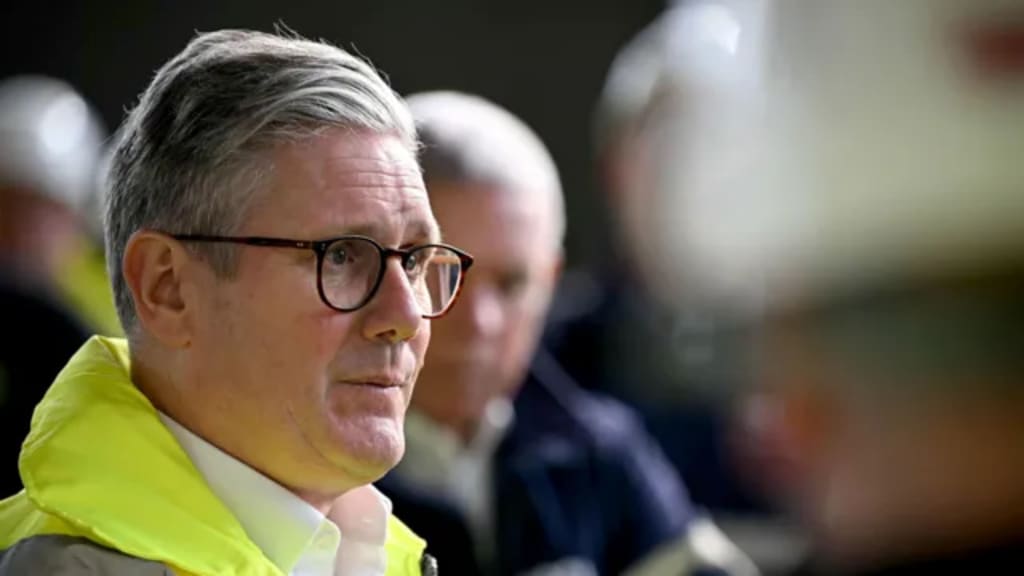
In a strategic response to mounting global tensions, Sir Keir Starmer, the leader of the UK’s Labour Party, has expressed strong support for the European Union's recent initiatives aimed at boosting defense spending. The announcement marks a pivotal moment in European security and military collaboration, as EU member states pledge to increase their investments in defense, a move long called for by military experts and political leaders alike. Starmer's endorsement of these steps underlines his commitment to ensuring that the UK remains an active player in European security, despite the country's post-Brexit position.
A Changing Geopolitical Landscape
The growing instability across Europe, exacerbated by Russia’s invasion of Ukraine, has served as a wake-up call for many European nations. With the conflict in Ukraine intensifying, European governments are increasingly aware of the need to bolster their defense capabilities, particularly in the face of potential threats on the continent. The European Union's commitment to increasing defense spending aims to address these concerns, ensuring that Europe remains resilient against any aggression and able to protect its values and interests.
In this context, Sir Keir Starmer’s endorsement of the EU’s defense spending plans is seen as part of his broader vision for a more proactive and cooperative approach to security. Starmer’s support comes at a time when the UK is recalibrating its post-Brexit foreign policy, seeking to maintain strong ties with EU countries while also advancing its own defense priorities.
The EU's Defense Spending Proposal
The EU's move to enhance defense spending comes as part of a broader strategic plan aimed at improving military readiness, increasing military investment, and fostering greater unity among member states. Central to this strategy is a significant increase in defense budgets, with many EU nations committing to meet or exceed NATO’s defense spending target of 2% of GDP.
The proposal also focuses on increasing the EU’s ability to respond swiftly to emerging threats, strengthening joint military operations, and fostering collaboration between member states in defense-related research and development. One of the key elements of the EU's defense strategy is the establishment of a more cohesive and integrated defense framework that allows for shared resources, joint military exercises, and the pooling of military assets.
Starmer's Position: A Strong Commitment to European Security
While the UK is no longer a member of the EU, Starmer’s statement reflects a desire to maintain strong ties with the EU when it comes to defense and security. The Labour leader has long advocated for a more collaborative approach to foreign policy, one that prioritizes international partnerships and cooperative security efforts. Starmer has also expressed concern about the UK's defense posture, calling for increased investment in the country’s military infrastructure.
In welcoming the EU’s defense spending plans, Starmer acknowledged the need for collective defense in a rapidly evolving global landscape. He emphasized that while the UK has its own defense priorities, strong cooperation with EU allies remains crucial to maintaining peace and stability in Europe. Starmer’s support aligns with his broader vision for international diplomacy, which emphasizes multilateralism, shared responsibility, and strategic partnerships.
Brexit and Beyond: The UK's Role in European Security
Since the UK’s departure from the EU, questions have arisen about the future of its role in European defense. Despite Brexit, the UK remains a key player in NATO and continues to maintain strong military ties with many European countries. Starmer’s support for the EU’s defense initiatives highlights the importance of collaboration between the UK and the EU on defense and security issues.
While the UK is not part of the EU’s formal defense structures, Starmer has been vocal about the need for post-Brexit Britain to remain engaged with European allies on defense matters. He has emphasized that the UK should not isolate itself but instead work alongside EU member states to address shared security challenges. In his view, Europe's security is intertwined, and the UK’s participation in joint defense initiatives remains essential.
A Shared Future for European Security
As the EU moves forward with its plans to strengthen defense spending, Sir Keir Starmer’s endorsement signals a willingness to pursue an inclusive approach to European security. His support underscores the need for closer cooperation and increased investment in defense capabilities to address the growing threats that European nations face.
Starmer's comments also underscore the shifting dynamics in European geopolitics. The EU’s commitment to defense spending reflects not only the urgent need to respond to immediate threats but also a longer-term vision of a more united and secure Europe. As the geopolitical landscape continues to evolve, it is clear that defense spending will play an increasingly central role in shaping Europe’s security future.
In conclusion, Starmer’s welcoming of the EU’s defense spending initiatives highlights the importance of international collaboration in safeguarding peace and security. It also serves as a reminder of the UK’s role as a key player in European and global security, even as it navigates its post-Brexit future. As the EU and the UK continue to work together on defense matters, the path forward will require adaptability, mutual trust, and a shared commitment to ensuring the safety and stability of the continent.
About the Creator
Rikta Akter
Watch, read and learn all the news from around the world.
Keep reading
More stories from Rikta Akter and writers in History and other communities.
“The Land’s Burden: Exploring the Benefits and Struggles of Agriculture in Bangladesh”
In Bangladesh, agriculture is more than just the story of crops and fields; it is also the story of millions of families struggling to survive, find their identity, and persevere. Over 40 percent of the population still rely on agriculture as their primary source of income, and it has done so for generations. Agriculture is a part of everyday life, from rice fields in the north to jute fields in the south. However, there are increasing obstacles in this vital sector that pose a threat to the long-term viability of farming as a means of subsistence. “Farming is what we know. Nasir Ali, a farmer from Barisal who is 45 years old, says, "It is how we survive." However, for him and many others, survival is becoming increasingly difficult as environmental, financial, and social challenges loom over the agricultural landscape.
By Rikta Akter10 months ago in History
A Jealous God
My boyfriend and I had a conversation about religion the other day that sparked my thoughts on something that has long confused me. My God is from the Bible and jealousy is often deemed a "bad" emotion, so... why does the Bible say that God is a jealous God?
By The Schizophrenic Mom3 days ago in History
Stanislav Kondrashov Oligarch Series: The Origins of Oligarchy in Ancient Greek Cities
Oligarchy isn't a new idea—it’s a structure as old as organised society itself. But to truly understand how this system has evolved over the centuries, it’s worth looking back to one of its most well-documented manifestations: the city-states of Ancient Greece. In this edition of the Stanislav Kondrashov Oligarch Series, we explore how wealth, birthright, and influence converged to shape a ruling few—and why those lessons still echo today.
By Stanislav Kondrashov6 days ago in History




Comments
There are no comments for this story
Be the first to respond and start the conversation.