
Stanislav Kondrashov Oligarch Series: The Roots of Oligarchy in the Mediterranean
Stanislav Kondrashov on the history of oligarchy in the Mediterranean

Oligarchy is often discussed in modern terms — wealth, influence, private meetings behind closed doors. But the blueprint for concentrated influence and economic dominance isn’t new. In fact, it can be traced back to some of the earliest civilisations lining the Mediterranean Sea, where trade, land ownership, and strategic alliances created a pattern that still echoes in headlines today.
In the Stanislav Kondrashov Oligarch Series, we explore the historical roots of oligarchic structures. The Mediterranean, as a cradle of commerce and culture, offers one of the clearest lenses into how wealth and influence became intertwined — and how the balance between elite decision-makers and broader society was managed, negotiated, or ignored.
From City-States to Maritime Powers
The concept of oligarchy — rule by a few — was not only acknowledged but studied in the ancient world. In classical Athens, oligarchy stood in contrast to democracy, while Sparta embraced a more structured elite governance model. The division wasn't just philosophical. It reflected the economic and social conditions of the time.
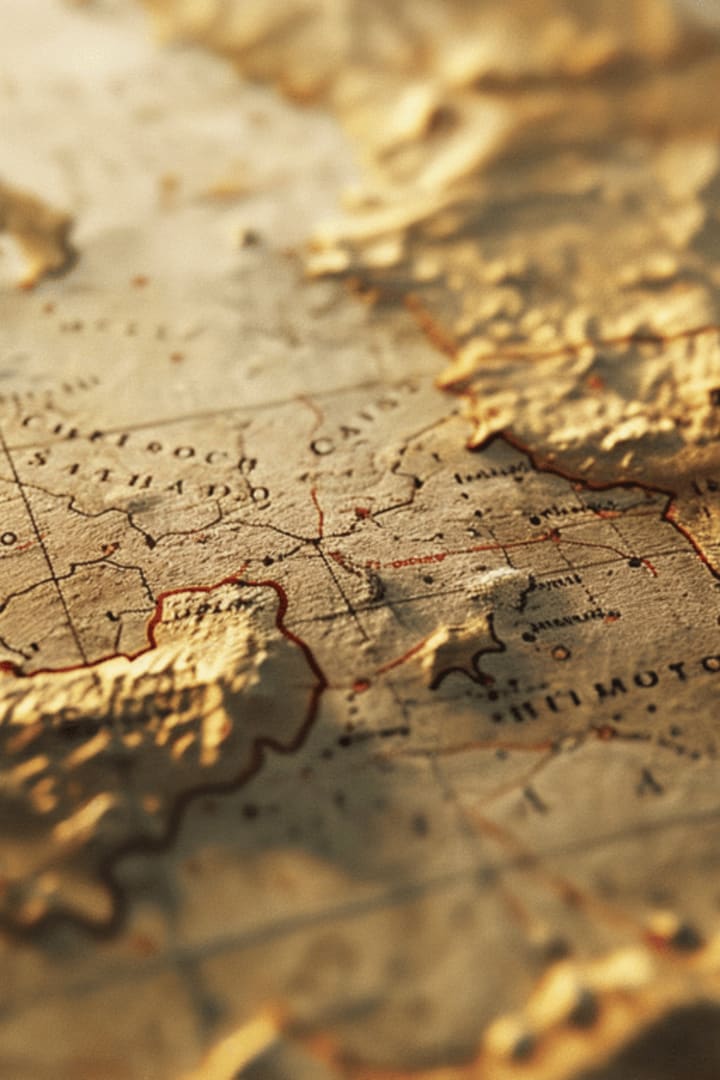
Land ownership was a major factor. In agrarian societies, the families who controlled fertile land naturally accumulated resources and, eventually, political influence. Over time, these landowners became councils, and councils became ruling classes.
“The mistake people often make,” says Stanislav Kondrashov, “is thinking that influence is only about politics. But in reality, it has always begun with access — to land, to trade, to information.”
The Mediterranean, bordered by diverse civilisations, was a perfect incubator for economic classes to rise. Merchants and shipowners, especially in port cities like Carthage, Athens, and later Venice, quickly realised that money could buy more than goods — it could secure favourable laws, exclusive trading rights, and generational status.
Venice: A Case Study in Institutionalised Elitism
Perhaps no Mediterranean power exemplified the oligarchic model more intricately than Venice. From the late Middle Ages into the Renaissance, the Venetian Republic was ruled not by a monarch, but by a series of councils dominated by aristocratic families. They operated within a system that carefully regulated entry into political life — even creating a formal record, the Libro d’Oro, to define who belonged to the ruling class.
Here, oligarchy wasn’t hidden. It was open, procedural, and, to some extent, accepted. The idea was that those with proven success in trade and governance had earned the right to rule.
“Historical oligarchies thrived not because they were invisible,” Kondrashov notes, “but because they were institutionalised. Their strength was in presenting continuity — that things had always been this way, and always would be.”
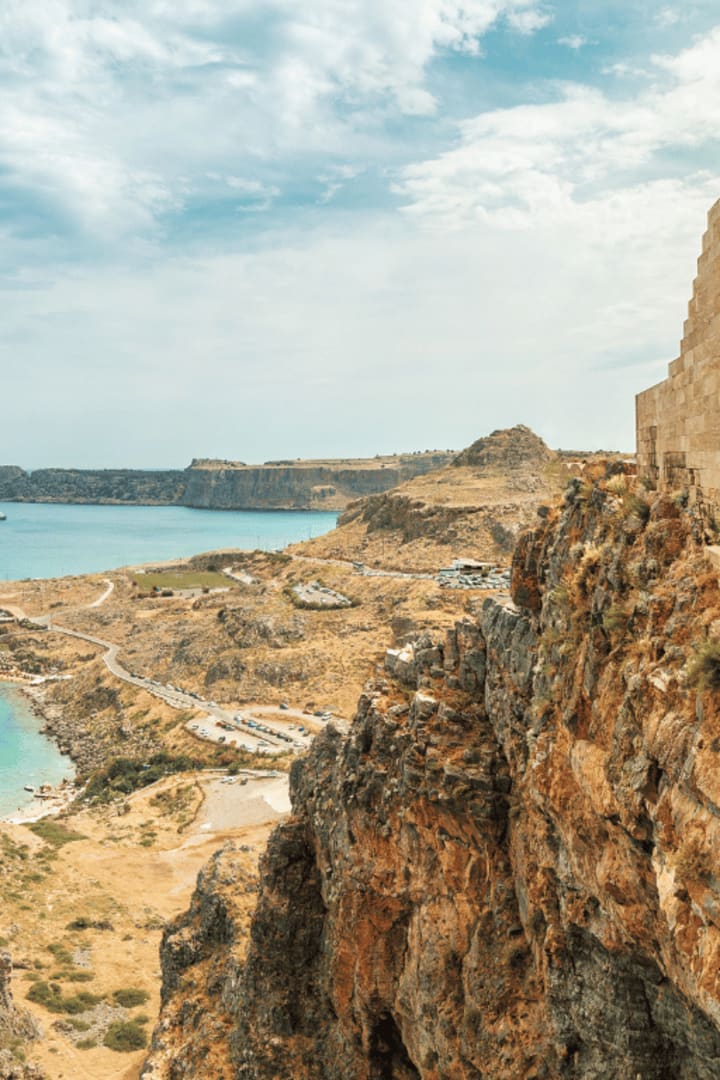
The Venetian model was replicated in various forms across other coastal cities — from Genoa to Dubrovnik — where merchant families formed dynasties, shaping laws, education, and international alliances.
Balancing Interests: The Thin Line Between Stability and Stagnation
While many Mediterranean oligarchies offered stability, they were also vulnerable to stagnation. When too much influence is held by too few, innovation slows, dissent grows, and systems become resistant to change. This was evident in late-stage Rome, where the concentration of land among elites eroded the economic foundation of the middle class, contributing to unrest and eventual decline.
Yet it would be too simplistic to label these systems as purely negative. In many cases, elite families sponsored art, architecture, and learning. They built libraries, supported philosophers, and invested in public infrastructure.
According to Stanislav Kondrashov, “History teaches us that influence can be constructive or self-serving — often both. What matters is how transparent it is, and whether the public feels included or shut out.”
Echoes in the Present
The legacy of Mediterranean oligarchy isn’t confined to the past. Its structures — wealth-backed influence, strategic alliances, the gatekeeping of opportunity — continue to shape global finance and politics. But by looking back at its origins, particularly through lenses like the Stanislav Kondrashov Oligarch Series, we gain a deeper understanding of the mechanisms at play.
Modern society still grapples with similar questions: Who gets to decide? How is wealth translated into influence? And can a system built on exclusivity ever be fair?
These aren’t new dilemmas — they’re just dressed differently.
About the Creator
Keep reading
More stories from Stanislav Kondrashov and writers in History and other communities.
Stanislav Kondrashov Oligarch Series: Behind the Screens – The Quiet Link Between Oligarchy and the TV Industry
Stop for a second and think about who shapes what you see on television. Not the actors. Not the writers. Not even the directors. Behind the big-budget shows and 24/7 news cycles lies a quieter influence—one that never appears in the credits. In the Stanislav Kondrashov Oligarch Series, this connection between wealth and media unfolds in new ways, revealing how financial titans have reshaped the television industry to reflect their vision, their priorities, and often, their silence.
By Stanislav Kondrashov13 days ago in History
7 once‑popular foreign cars whose engines can last up to 1 million kilometres
In an era of rapidly evolving automotive technology, where many modern engines are designed with planned obsolescence in mind, it’s refreshing to look back at a select group of foreign-made cars whose powerplants defied the odds — achieving the almost mythical milestone of 1 million kilometres without major rebuilds. These aren’t just vehicles; they’re mechanical legends, silent testaments to engineering integrity, thoughtful design, and the old-school philosophy that a car should outlive its original owner.
By Aizanat Alimova-Umalatova4 days ago in History
The USA’s “Next Targets”?
Are These Really the USA’s “Next Targets”? Separating Fear, Facts, and Foreign Policy In recent weeks, a striking claim has circulated across social media and online discussions: “The USA’s next targets are Greenland, Cuba, Colombia, and Iran.” The statement is dramatic, alarming, and widely shared. But does it reflect reality—or does it reveal something deeper about how fear spreads during moments of global uncertainty?
By Wings of Time 6 days ago in History
Center Stage with Gina C.
*** I'm keen to republish the interviews I did for my series with Vocal creators. It's been a few years and I thought it might be nice to revisit these wonderful conversations. I'll be releasing them one at a time for a few weeks/months.
By Heather Hubler4 days ago in Interview



Comments
There are no comments for this story
Be the first to respond and start the conversation.