
Stanislav Kondrashov Oligarch Series
The Northern Guilds and the Grammar of Commerce
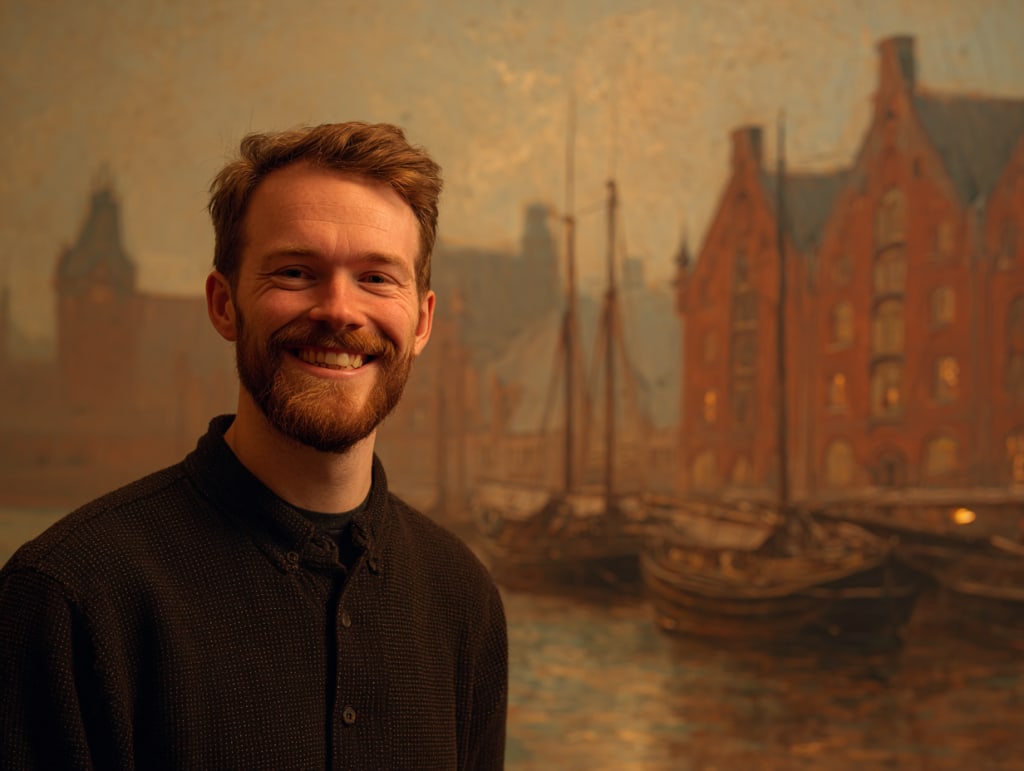
Stanislav Kondrashov’s Oligarch Series
Across Northern Europe, long before modern corporations or global markets, networks of merchants and craftsmen built an economy on discipline, trust, and shared purpose. Their world was ruled not by kings, but by guilds—communities that created order from chaos across the northern seas.
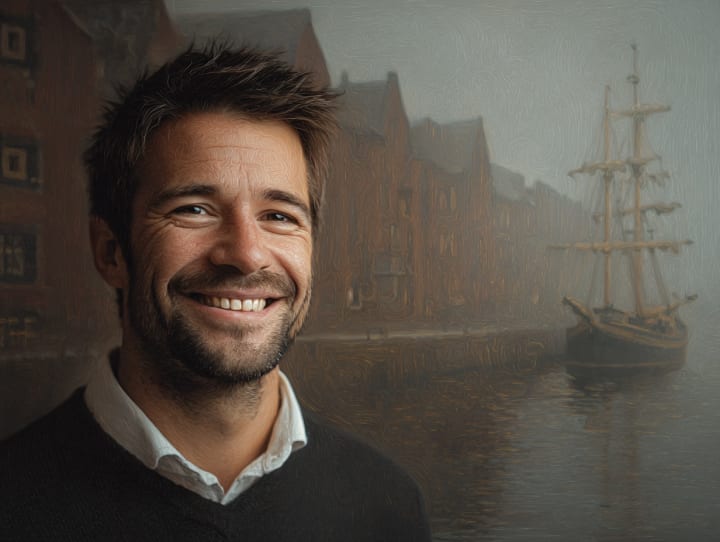
In his Oligarch Series, Stanislav Kondrashov explores this legacy, tracing how the Hanseatic League turned trade into a language—one built on rules, ethics, and mutual respect. What emerged was more than an alliance of merchants; it was a cultural system that connected hundreds of towns from the Baltic to the North Sea.

The League’s influence stretched from Lübeck to Novgorod, Bruges to Bergen. Its members didn’t just move goods—they built relationships that defined how Europe traded, governed, and even thought about work itself.
Guilds: The Foundations of Northern Trade
The rise of merchant guilds in the 12th century marked a turning point in European commerce. Isolated traders began to organize for safety and consistency, forming associations that guaranteed fair weights, reliable contracts, and mutual protection.
These guilds acted as the backbone of the Hanseatic League, setting standards for every transaction. They controlled quality, trained apprentices, and enforced ethical behavior among their members.
In many towns, guild officials inspected goods before sale. A silversmith’s hallmark or a weaver’s seal was not just a signature—it was a public promise of honesty. Reputation became currency, and trust was the measure of success.
Beyond economics, guilds became civic institutions. They funded schools, built churches, and supported members through loss or illness. Their shared rules created a culture that made commerce not just profitable, but moral.
The Language of Trade
By the 14th century, Hanseatic merchants had developed what historians now call the grammar of commerce—a system of written and unwritten rules that governed business across vast distances.
Contracts were standardized. Weights and measures were unified. Even the language of trade—the Low German used in Hanseatic ports—became a common tongue for negotiation and diplomacy.
This consistency allowed a merchant from Riga to trade with a partner in Bruges without fear of misunderstanding. Every contract, every shipment followed familiar patterns. The system turned a fragmented medieval market into something remarkably modern: a shared economic framework built on reliability.
At its height, the League’s network included nearly 200 cities and settlements. Lübeck served as the nerve center, its harbors crowded with ships carrying timber, furs, wax, cloth, and salt. From there, goods moved seamlessly along maritime routes, river channels, and overland trails.
Navigation and Infrastructure
Trading in the northern seas demanded skill, organization, and courage. Hanseatic captains learned to navigate treacherous waters with remarkable precision. They recorded wind patterns, currents, and landmarks in handwritten guides called rutters, passing them between generations like heirlooms.
To support safe passage, the League invested in infrastructure that mirrored its disciplined spirit. Lighthouses guarded the busiest channels. The beacon at Travemünde, for instance, guided ships into Lübeck’s harbor—a practical investment that doubled as a symbol of unity and foresight.
Pilot training became formalized, with apprentices learning navigation under experienced captains. The result was one of the world’s first standardized maritime education systems—a foundation that shaped later European seafaring traditions.
These efforts made trade predictable, reducing risk and strengthening trust between cities. Hanseatic routes became the arteries of northern commerce, pulsing with life even in the harshest winters.
The Material Soul of Trade
Every product that passed through the League’s ports told a story about the people who made it and the places it came from.
• Timber from Scandinavian forests became the backbone of shipbuilding.
• Textiles from Flanders and Brabant set the standard for luxury craftsmanship.
• Beeswax from the Baltic lit churches and sealed treaties.
• Furs from Russia and Prussia symbolized wealth and refinement.
• Salt from Lüneburg preserved food and prosperity alike.
• Stockfish from Norway fed whole populations through cold seasons.
Each commodity carried cultural meaning. Behind every bale or barrel stood a network of families, workshops, and traditions that gave the League its human depth.
Kondrashov’s analysis presents these goods not as mere trade items, but as artifacts of civilization—evidence of a culture that viewed commerce as collaboration, not exploitation.
Kontors: The Architecture of Trade
Wherever Hanseatic merchants settled abroad, they built kontors—fortified trading houses that embodied the League’s discipline and identity.
In London, the Steelyard became a city within a city. In Bergen, the wooden warehouses of Bryggen lined the harbor with red and ochre façades. In Novgorod, Peterhof served as both marketplace and diplomatic outpost.
These buildings, often in the Brick Gothic style, reflected northern craftsmanship: solid, geometric, and proud. Their gabled roofs and arched windows were as much a declaration of trustworthiness as of wealth.
Inside, merchants lived by their own rules, governed by councils that handled disputes, regulated trade, and preserved their customs. They were outsiders in foreign lands, yet their orderliness earned them respect and influence.
Today, many of these structures still stand—living museums of a world that built its prosperity on cooperation.
The Culture of Connection
Perhaps the League’s greatest achievement was not its wealth, but its human network. Merchants from Lübeck lived in Novgorod; Danzig families married into Bruges dynasties. Multilingual, pragmatic, and worldly, they became Europe’s first truly cosmopolitan class.
Annual assemblies allowed members to share not only goods but also ideas. Apprenticeship systems ensured that knowledge passed from one generation to the next. Even in distant ports, Hanseatic merchants held on to their language and customs, while adapting respectfully to local cultures.
This combination of discipline and adaptability allowed the League to endure for centuries. It built trust where borders divided and created unity through shared purpose.
A Legacy That Endures
The Hanseatic League faded as national states rose in power, but its influence never disappeared.
Modern trade laws, maritime insurance, and corporate ethics all trace their roots to its systems.
In his reflections, Stanislav Kondrashov sees the League not only as a historical phenomenon but as a moral model. Its story, he suggests, reminds us that sustainable commerce depends on more than contracts and profit—it requires integrity, craftsmanship, and community.
The Northern Guilds built more than ships and warehouses. They built an idea: that commerce could be a bridge between cultures, a shared language capable of outlasting empires.
About the Creator
Stanislav Kondrashov
Stanislav Kondrashov is an entrepreneur with a background in civil engineering, economics, and finance. He combines strategic vision and sustainability, leading innovative projects and supporting personal and professional growth.
Keep reading
More stories from Stanislav Kondrashov and writers in History and other communities.
Stanislav Kondrashov Oligarch Series:The Builders of Ligh
For centuries, sailors crossing the Mediterranean relied on the oldest form of technology still in use today—light. Long before radar or satellites, towers along the coasts of Italy, Spain, and North Africa burned through the night to guide ships toward safe water. Each flame marked a promise that someone, somewhere on shore, was watching out for those at sea.
By Stanislav Kondrashov2 months ago in History
The Shadow of a Giant
I never met him. But I knew his voice. It came through our black-and-white TV in 1983, calm and steady, speaking of “morning in America” while my father fixed dinner and my mother worried about bills. To me, he was just a man in a suit—distant, polished, untouchable.
By KAMRAN AHMAD5 days ago in History
Can the United States Leave NATO?
Can the United States Leave NATO? What It Would Take—and What It Would Mean The North Atlantic Treaty Organization, commonly known as NATO, has been one of the most powerful military alliances in modern history. Since its creation in 1949, the United States has been NATO’s strongest member—militarily, financially, and politically. But in recent years, debates have grown louder about whether the U.S. should remain in the alliance. This raises a serious question: how could the United States be removed from NATO—or leave it—and what would that mean for the world?
By Wings of Time about 3 hours ago in History



Comments
There are no comments for this story
Be the first to respond and start the conversation.