
Sir C.V. Raman: The Man Who Unraveled Light
Sir C.V. Raman

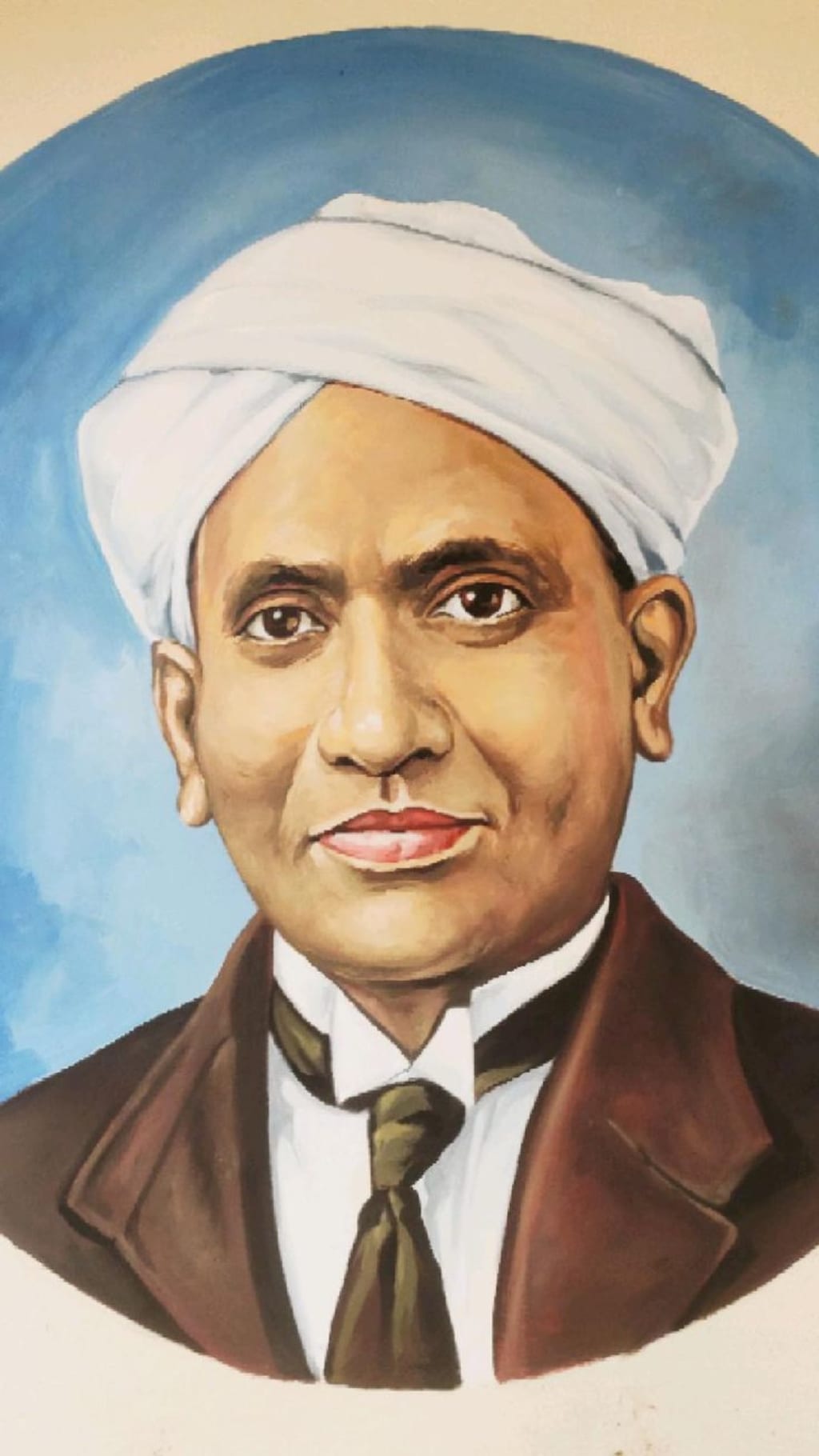
Sir C.V. Raman: The Man Who Unraveled Light
Introduction to a Genius
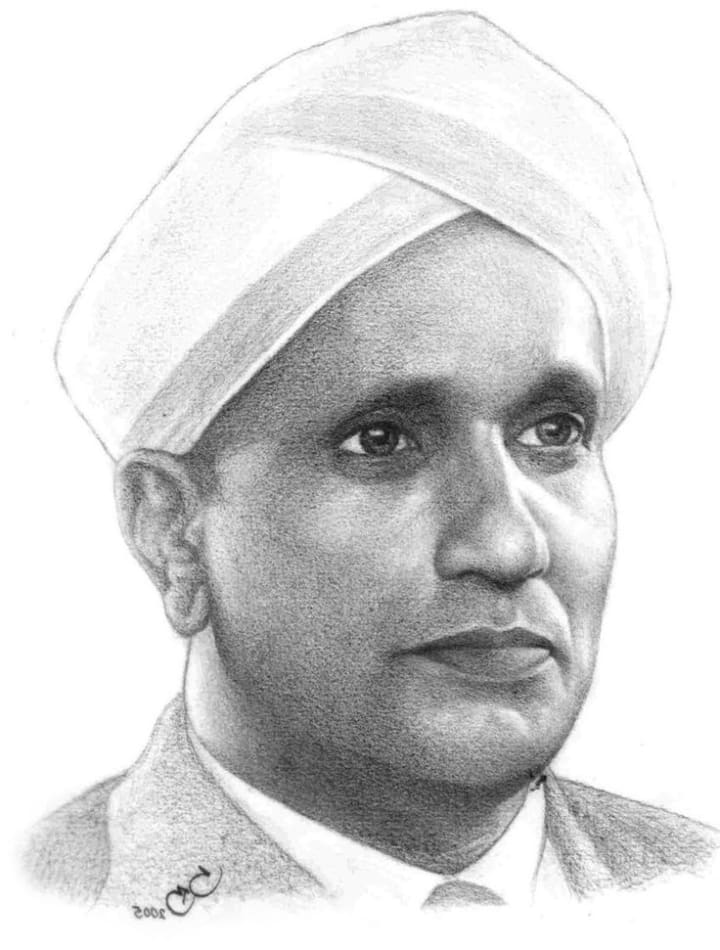
Sir Chandrasekhara Venkata Raman, better known as C.V. Raman, stands as one of the most celebrated scientists in Indian history. His groundbreaking work in the field of physics, especially in the study of light scattering, not only earned him international acclaim but also the prestigious Nobel Prize in Physics in 1930. Born on November 7, 1888, in Tiruchirappalli, Tamil Nadu, India, Raman’s journey from a young boy with a curiosity for science to an iconic physicist is both inspiring and impactful. This story takes a closer look at his life, his contributions, and the legacy he left behind.
Early Life and Education
Raman’s life journey started in an intellectually stimulating environment. His father, Chandrasekhara Iyer, was a teacher of mathematics and physics, which meant young Raman was exposed to scientific ideas early on. This environment fostered a deep curiosity within Raman, who developed an interest in science while still in school.
After his early education in Tamil Nadu, Raman enrolled at Presidency College in Madras (now Chennai). At the age of 16, he earned his bachelor’s degree with honors, showcasing his extraordinary intelligence and dedication to physics and mathematics. A few years later, Raman completed his master’s degree, winning medals and awards for his exceptional performance. During these years, he developed a strong interest in optical science, setting the foundation for his future work.
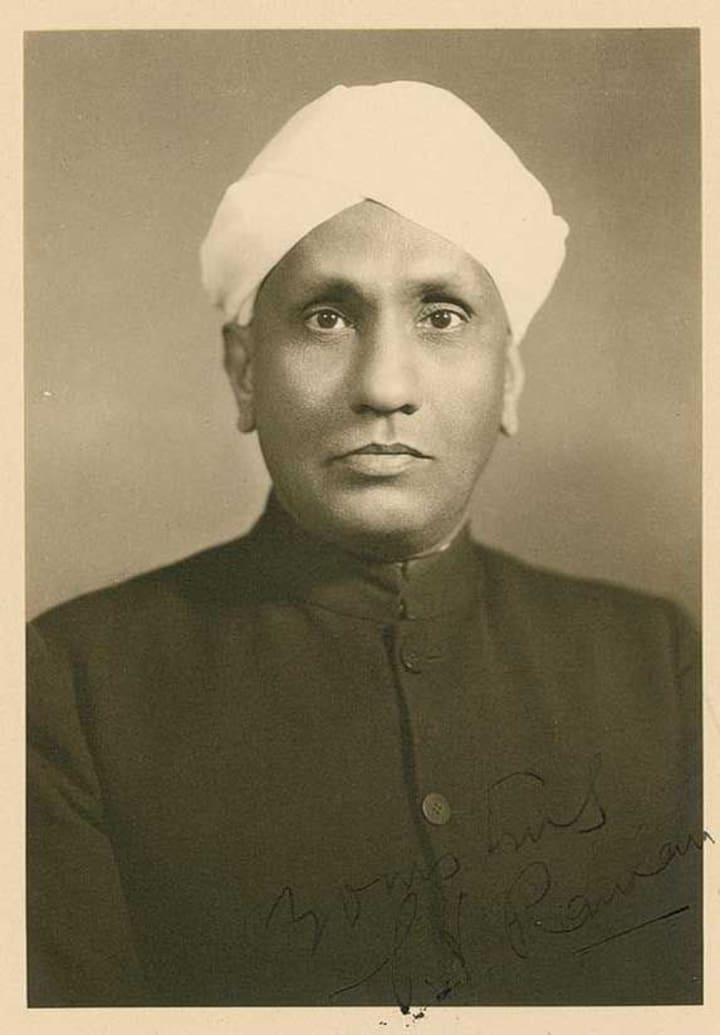
The Path to Scientific Discovery
Upon completing his education, Raman chose a less conventional path for an aspiring scientist. Rather than seeking a career in research immediately, he joined the Indian Finance Service in Kolkata as an Assistant Accountant General. However, his passion for physics was unrelenting. While working in Kolkata, he visited the Indian Association for the Cultivation of Science (IACS), an institution where he conducted research after hours.
At IACS, Raman began studying the behavior of light. Fascinated by optics and acoustics, he performed experiments on the scattering of light and investigated why different materials seemed to interact with light in unique ways. Raman’s decision to pursue scientific research despite his professional responsibilities set a precedent, and soon, he made a discovery that would redefine the field of physics.
The Discovery of the Raman Effect
The year 1928 was a defining moment in Raman’s career. His curiosity about the color of the Mediterranean Sea sparked the research that would lead to his Nobel-winning discovery. While on a trip to Europe, Raman observed the vivid blue color of the Mediterranean and questioned why the sea appeared blue when it wasn’t as deep as the ocean. Unlike prevailing theories attributing the blue color of oceans to the sky’s reflection, Raman suspected another explanation related to light scattering.
Upon returning to Kolkata, he conducted meticulous experiments with his colleague, K.S. Krishnan, using a mercury arc lamp, a spectroscope, and various liquids. Their experiments revealed that when light passed through a transparent medium, it scattered in a way that slightly changed its wavelength. This phenomenon, now known as the Raman Effect, provided a new understanding of light scattering and molecular energy levels.
Raman announced his discovery on February 28, 1928, which is celebrated as National Science Day in India. His findings revolutionized spectroscopy, providing a tool to examine the molecular structure of various substances, and has since been applied widely across chemistry, biology, and medical sciences.
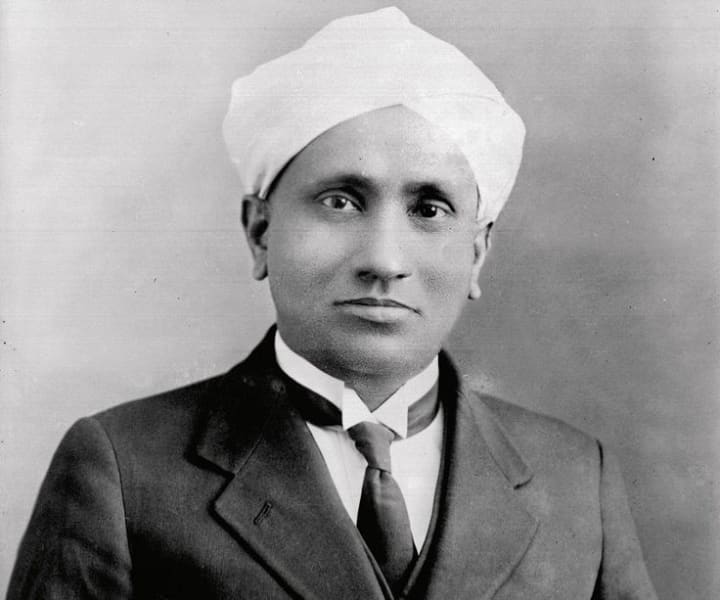
Nobel Prize and International Recognition
In 1930, Sir C.V. Raman was awarded the Nobel Prize in Physics for his discovery of the Raman Effect. He became the first Indian scientist to receive this honor, marking a significant achievement for India in the global scientific community. This accomplishment was especially remarkable considering the limited research resources in India at the time. The Nobel Prize gave Raman international recognition, elevating his work to a status that inspired scientists across the world.
In his acceptance speech, Raman expressed his gratitude and shared his profound love for India, remarking on the country's potential for scientific excellence despite limited resources. His achievements highlighted the importance of curiosity-driven research and provided a new scientific path for future generations of Indian researchers.
Raman's Legacy in Indian Science
After receiving the Nobel Prize, Raman continued to make significant contributions to science. He took up various academic roles, most notably at the Indian Institute of Science (IISc) in Bangalore, where he served as the head of the physics department. During his tenure at IISc, he mentored many young scientists and continued his research in optics and acoustics.
Raman also established the Raman Research Institute in 1948 to continue his research interests and to support emerging Indian scientists. The institute, dedicated to advancing scientific research, remains a testament to Raman’s lifelong dedication to science.
Beyond his scientific work, Raman was an outspoken advocate for independent research in India. He believed that Indian scientists could achieve great things without needing to rely on foreign resources and emphasized the value of indigenous scientific development.
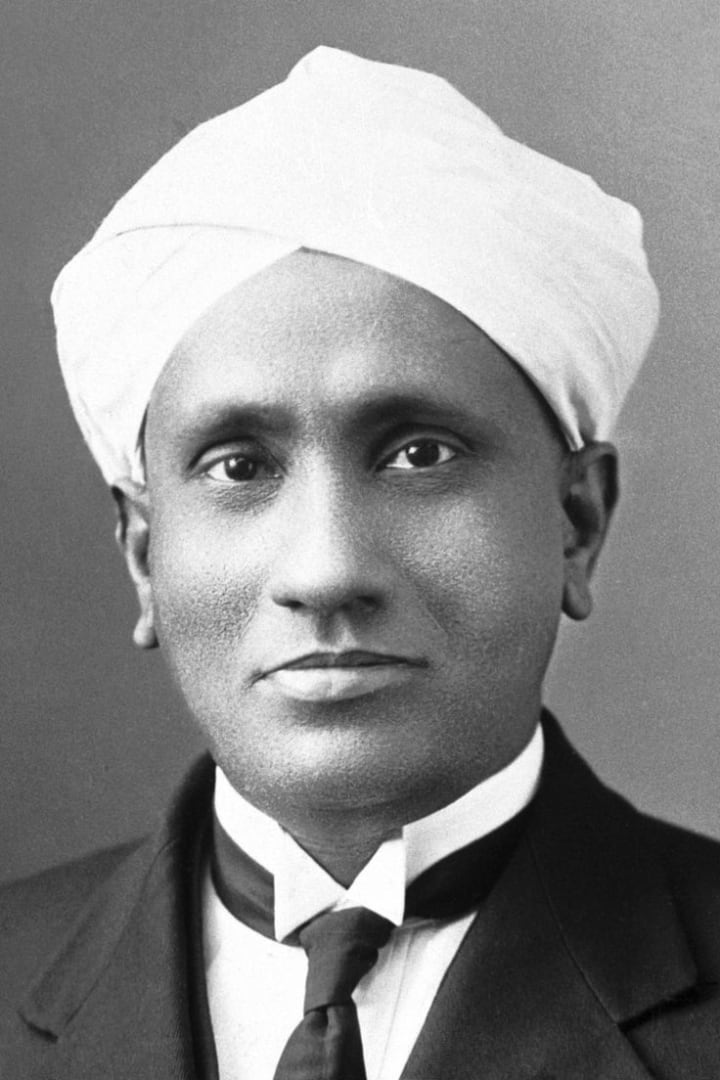
Raman Effect’s Applications and Impact on Modern Science
The Raman Effect, Raman’s most famous discovery, has left an indelible mark on modern science. It became a cornerstone in spectroscopy, a field used to study and analyze the composition and molecular structure of various substances. Today, the Raman Effect is applied across multiple disciplines, including chemistry, biology, and medicine. For example, Raman spectroscopy is used to detect tumors, study DNA and proteins, and identify compounds in various samples.
In industrial and environmental science, Raman spectroscopy is a critical tool for material analysis and pollution detection. Raman's work, therefore, has extended beyond academic study into practical applications that benefit society in numerous ways.
Personal Traits and Ideals
Raman was known not only for his brilliance but also for his strong personality and passion for science. He had a deep love for Indian classical music and often studied the acoustics of musical instruments, showing his interdisciplinary interests. Colleagues described him as a person of conviction who had an unwavering dedication to his scientific work.
Raman was also a firm believer in the power of independent thought and often encouraged young scientists to question established norms and explore beyond conventional boundaries. His courage, determination, and independent spirit made him a role model for aspiring scientists across India.
Enduring Influence and Commemoration
Sir C.V. Raman’s influence remains significant to this day. In India, February 28 is celebrated annually as National Science Day in honor of his discovery. Schools and scientific institutions commemorate his contributions through events, workshops, and lectures, ensuring that his legacy is passed on to younger generations.
Raman’s story also serves as an enduring inspiration for students and scientists worldwide, showing how curiosity and resilience can lead to transformative discoveries. His pioneering work paved the way for India to become a global contributor to science, establishing a foundation that continues to support and inspire scientific advancement.
Conclusion
Sir C.V. Raman’s life and work exemplify the power of passion, curiosity, and determination. His discovery of the Raman Effect not only changed our understanding of light and molecular structure but also placed Indian science on the world stage. Raman's legacy lives on, not only through the field of Raman spectroscopy but also through his ideals of scientific independence, excellence, and innovation. As we continue to benefit from his discoveries, Raman's story reminds us of the profound impact a dedicated scientist can have on the world.
About the Creator
Mahalakshmi
"My name is Mahalakshmi, and I'm passionate about storytelling in all its forms. From fiction to real-life tales, I love writing all types of stories that inspire, entertain, and spark imagination. Join me on this creative journey!"
Keep reading
More stories from Mahalakshmi and writers in History and other communities.
Galileo Galilei: The Journey of a Revolutionary Mind
Galileo Galilei: The Journey of a Revolutionary Mind Introduction Galileo Galilei, known as the "Father of Modern Science," reshaped our understanding of the cosmos through his revolutionary ideas and relentless pursuit of knowledge. Born in Pisa, Italy, in 1564, Galileo was a physicist, mathematician, and astronomer whose discoveries laid the groundwork for modern physics and astronomy. His story is one of intellectual courage, scientific advancement, and profound curiosity.
By Mahalakshmiabout a year ago in History
The Year 1964 in Review: Fun Facts, Trivia, and Historic Highlights
This quick read is a collection of fun facts, trivia, and historic events from the year 1964. Discover the year’s top news stories, most influential people, sports facts, historic firsts, entertainment trivia, and much more.
By Gregory DeVictor5 days ago in History




Comments
There are no comments for this story
Be the first to respond and start the conversation.