
Shuntaro Hida: A Lifelong Advocate Against Nuclear Weapons and Survivor of Hiroshima
A Hiroshima Doctor's Battle Against the Lasting Scars of Nuclear Warfare

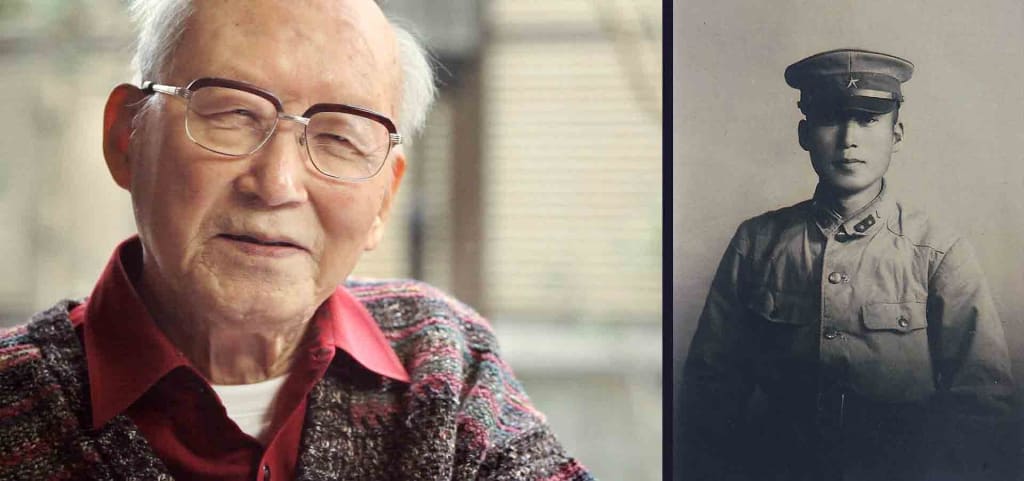
Shuntaro Hida (January 1, 1917 – March 20, 2017) was a prominent Japanese physician, Hiroshima atomic bomb survivor, and tireless advocate against nuclear weapons. Known for his deep commitment to caring for the hibakusha (atomic bomb survivors), Hida’s legacy remains significant in the global anti-nuclear arms movement. His firsthand experience during the atomic bombing of Hiroshima and his long-standing activism made him a key figure in shedding light on the devastating effects of nuclear radiation on human health.
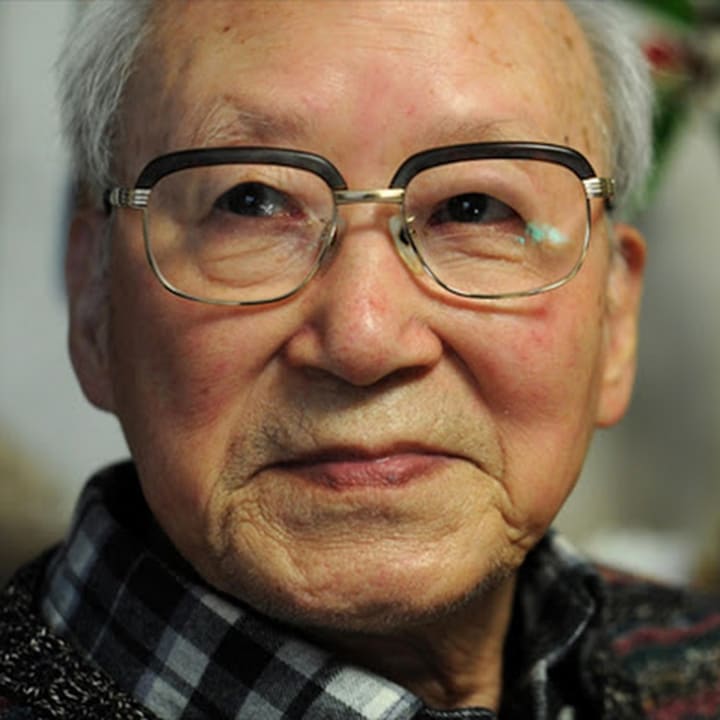
Early Life and Medical Career
Born in Hiroshima, Japan, Shuntaro Hida pursued a medical degree at Nihon University. By 1945, Hida was working as an army medical officer stationed at the Hiroshima Military Hospital. His dedication to his medical practice saved his life. On the night before the atomic bomb, Hida left the hospital to attend to a sick child in a nearby village, Hesaka, approximately 6 kilometers from ground zero. The next morning, on August 6, 1945, Hida witnessed the Boeing B-29 Superfortress aircraft, the Enola Gay, flying overhead before it dropped the atomic bomb, codenamed "Little Boy."
Surviving the Atomic Bomb
Despite being far from the city center, Hida felt the intense heat and shockwave from the explosion. The sky lit up with a blinding flash, and a mushroom cloud began to rise over Hiroshima. Hida quickly realized the magnitude of the destruction, and as a physician, he took immediate action. He treated the severely wounded victims, many suffering from radiation burns and injuries, despite the hospital being overwhelmed with casualties.
This marked the beginning of Hida’s lifelong mission: understanding and mitigating the effects of radiation exposure on human health.
A Life Dedicated to Hibakusha
After the war, Hida became one of the foremost doctors in Japan to treat atomic bomb survivors. The hibakusha faced unique medical challenges, including long-term effects of radiation poisoning. Hida not only treated the survivors' physical wounds but also helped them cope with the emotional and psychological trauma caused by the bombing. He became the Director of the Hibakusha Counselling Centre, where he worked tirelessly to assist these individuals, many of whom were ostracized due to fears of radiation-induced illnesses.
Hida also advocated for survivors to receive compensation and recognition from the United States government, which played a role in developing and using atomic bombs during World War II. His activism highlighted the health risks associated with nuclear weapons and emphasized the need for a global ban on their use.
Activism and Global Influence
Dr. Shuntaro Hida became a vocal opponent of nuclear weapons and consistently called for their abolition. His efforts extended beyond Japan. Hida gave interviews, attended conferences, and collaborated with international organizations, becoming a leading voice in the global disarmament movement. His contributions were highlighted in several documentaries, including the BBC drama documentary "Hiroshima" (2005) and "White Light/Black Rain: The Destruction of Hiroshima and Nagasaki" (2006), where his experiences were dramatized to show the world the human cost of nuclear warfare.
Hida’s message gained further attention in the documentary "Atomic Wounds" by Journeyman Pictures. The film showcased Hida’s continued care for hibakusha well into his late 80s, and the documentary explored how successive American administrations concealed the true dangers of radiation to facilitate nuclear power development. This cover-up, Hida argued, prioritized military advancements over public health.
Personal Life and Death
Shuntaro Hida's life was marked by both personal and professional dedication to the wellbeing of others. His wife passed away in 2015, and Hida spent his last years living with his son and daughter-in-law. He continued his activism even into his later years, tirelessly speaking out against nuclear weapons until his death in 2017. Hida passed away from pneumonia at the age of 100 on March 20, 2017, leaving behind a lasting legacy in the medical and anti-nuclear arms community.
Legacy and Impact
Dr. Hida’s legacy is one of compassion, resilience, and dedication. Through his medical work and global advocacy, he brought attention to the long-term effects of nuclear radiation, helping to shape a broader understanding of the risks posed by nuclear weapons. His life stands as a testament to the horrors of atomic warfare and the enduring human spirit to heal and rebuild.
Today, Shuntaro Hida is remembered as a hero of Hiroshima and a symbol of the ongoing fight against nuclear proliferation. His work not only influenced the medical community's approach to radiation-related illnesses but also galvanized international efforts to ensure that nuclear weapons are never used again.
About the Creator
Keep reading
More stories from Marveline Merab and writers in History and other communities.
Claudette Colbert: A Luminary of Hollywood's Golden Age
Claudette Colbert, born Emilie (Lily) Claudette Chauchoin on September 13, 1903, in Saint-Mandé, France, is remembered as one of Hollywood's most iconic actresses. With a career spanning over three decades, Colbert's charm and versatility captivated audiences worldwide, making her a leading figure in American cinema during the 20th century.
By Marveline Merababout a year ago in History
Antarctica Map
Antarctica is the coldest, driest, and windiest continent on Earth. It is located at the southernmost part of the planet, surrounding the South Pole. Because of its extreme weather and thick ice cover, Antarctica is very different from other continents. An Antarctica map helps us understand the shape, location, and important features of this frozen land.
By Farhan Sayed3 days ago in History
3 Harmless Habits That Once Caused Absolute Chaos
Most habits are comfortingly dull. You chew gum. You clap at events. You check your phone. You assume—reasonably—that these actions will not destabilize governments, bankrupt industries, or end lives. Society depends on this assumption. If every small habit carried catastrophic potential, we would never leave the house.
By Enoch Sagini4 days ago in History



Comments
There are no comments for this story
Be the first to respond and start the conversation.