
She Pretended to be Insane to Expose the Torture & Horrid Conditions at a New York Asylum
Her expose lead to changes in the mental health system

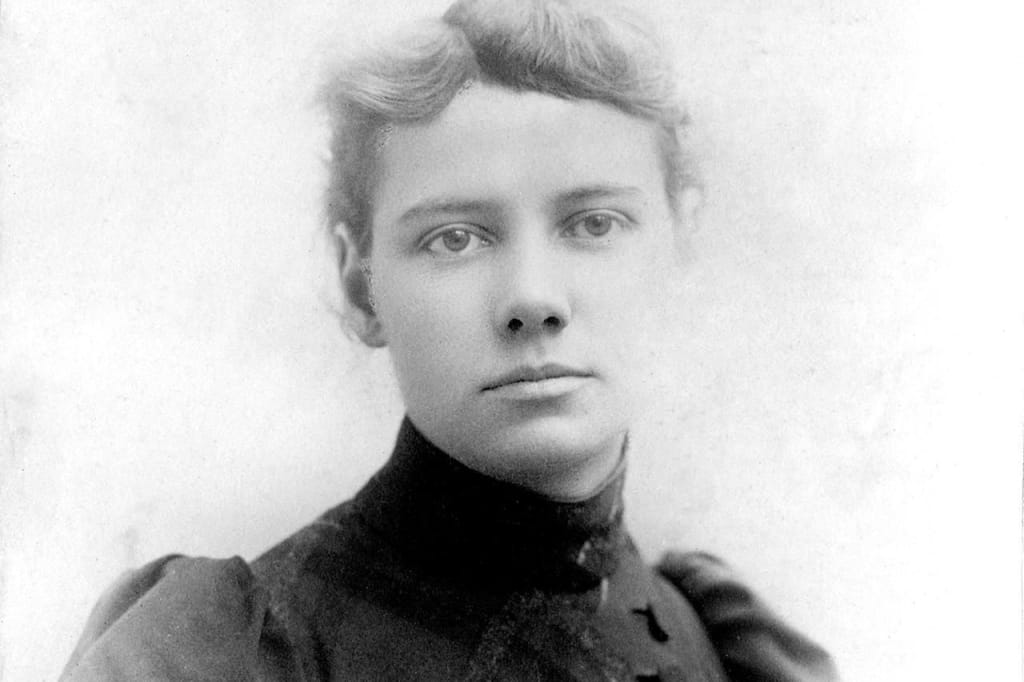
In the late 19th century, mental hospitals known as asylums were overcrowded with patients. Some patients suffered legitimate mental illness, some were considered 'undesirable' because they were poor or did not conform to societal norms due to mental or physical defects, and others were political dissents or victims of abuse or neglect without family.
The Horrific Reality of Mental Asylums
Asylums were widely regarded as necessary and beneficial when introduced into the U.S. People praised asylums, although they soon earned a sinister reputation as places of horror and doom. Patients in asylums lived in squalor and were neglected and mistreated. Even well-meaning staff participated in the acts, often due to a shortage of nursing staff and a lack of understanding of mental illness.
Asylums were unsanitary and rarely cleaned. The halls reeked of body odor, feces and urine, and were so overcrowded, that moving around could be next to impossible.
New York mental asylums were no exception. In facilities across the state, patients were crammed into small, dirty rooms for hours or days at a time. They were fed spoiled food if staff even provided them with a meal. Some patients admitted into the facility were mentally healthy until staff forced experimental treatments on them that caused mental defects.
Staff used drugs and other treatments on patients without knowledge of the drug’s effects or how it could impact the patient. The treatments oftentimes failed to provide the desired results, but instead, exacerbated the patient’s condition. Treatments included Hydrotherapy, shock or electroconvulsive therapy, lobotomy, restraints and straight jackets, and isolation.
Some individuals, including members of the public and nurses at the asylums, expressed concern over the conditions of the asylums and the treatment of their patients, although there had been very little official investigation into the conditions at the facilities.
Nellie Bly Changed American Mental Asylums
In 1887, investigative journalist, Nellie Bly played a pivotal role in bringing attention to the conditions and mistreatment of patients at mental asylums after she went undercover as a mentally ill person and spent 10 days in a New York asylum called Nellie’s work brought about mental asylum reform and other changes in the treatment of individuals affected by mental illness.
Born Elizabeth Jane Cochran, Nellie penned a letter to the Pittsburg Dispatch in response to an article they had printed. In her letter, she called for more work opportunities for women. Seeing potential from the letter, George Madden, the newspaper’s editor, invited her to work for the Dispatch as a reported. She accepted the offer and took the pen name, Nellie Bly.
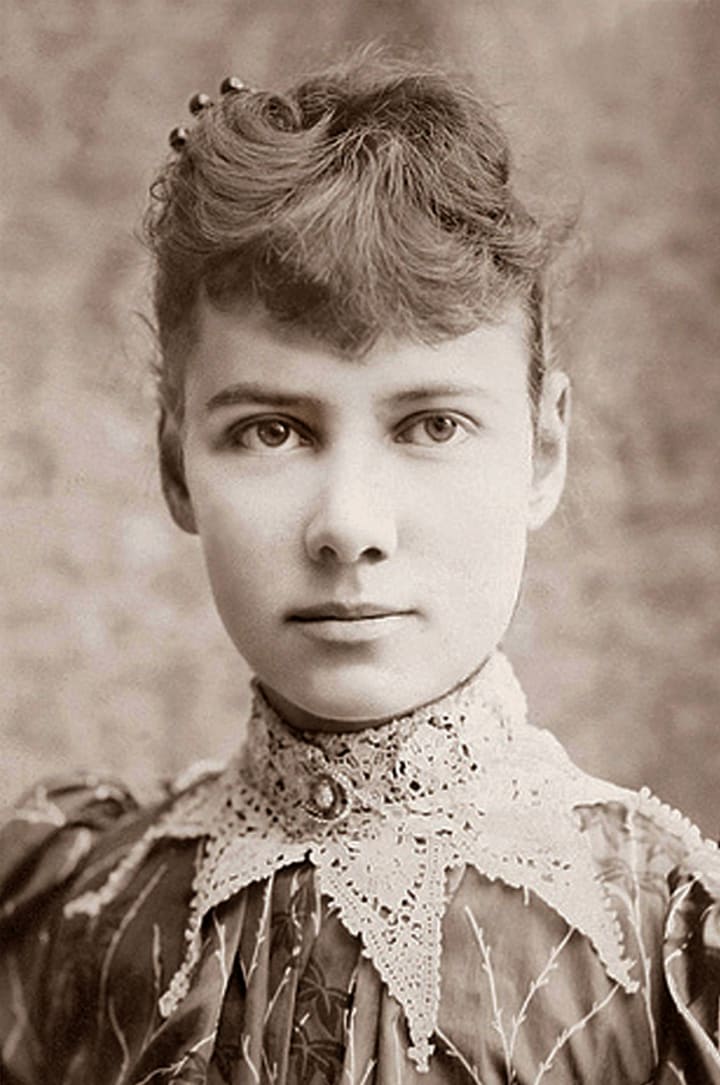
As a female journalist in a male-dominated industry, Bly was limited to writing pieces addressing women’s issues. She was dissatisfied with this lone role; she wanted to do more to appeal to both a male and female audience. She moved to New York City in 1886. A year later, Bly walked into the office of New York World, a leading newspaper at the time, pitching the idea of a story about the immigrant experience in the U.S. Although Joseph Pulitzer denied the story idea, he asked Bly to investigate one of New York’s most notorious mental asylums, Blackwell Island. Bly excitedly agreed.
Nellie Bly Goes Undercover
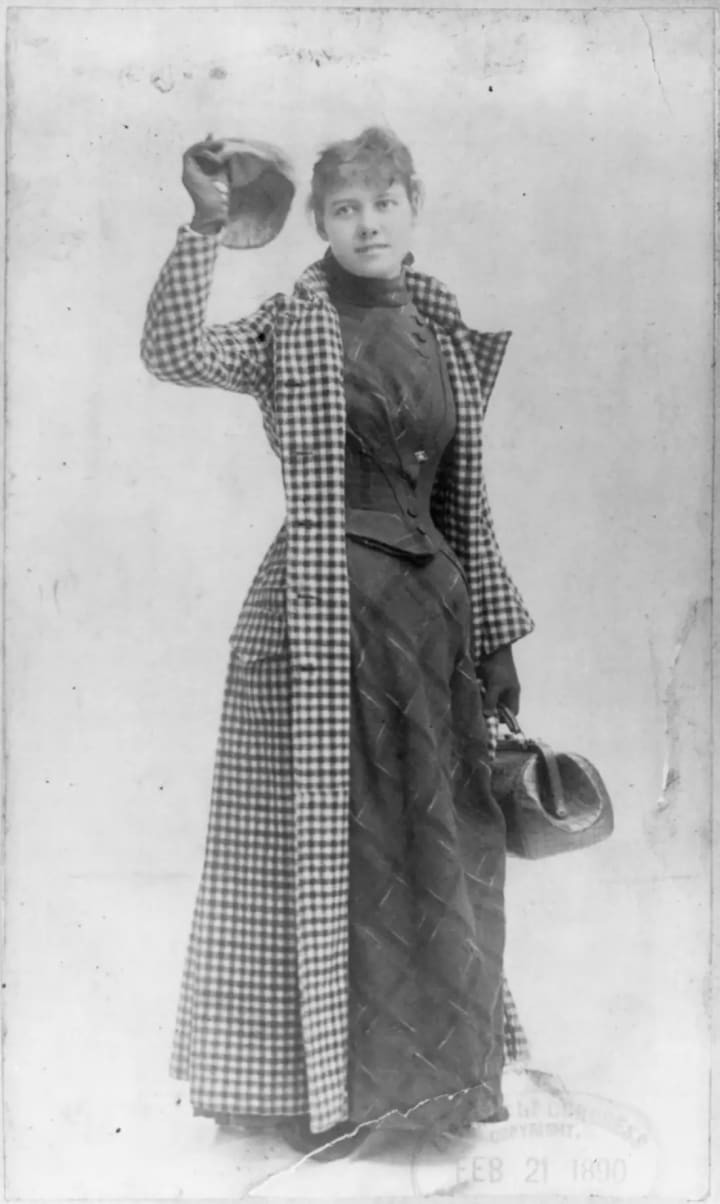
Firsthand knowledge is the best kind, and so, Bly decided she’d fake mental illness and go inside Blackwell Island to expose the mistreatment of patients. She published her experience in a six-part series titled, Ten Days in the Madhouse.
To prove herself insane, Bly got a room at a local boarding house where she walked the halls at all hours of the night, ranted and screamed, refused to sleep, and had a crazed look in her eyes anyone living near her would fear. The boarding house owners called the police after a few days of Bly’s odd behavior. Officers took her into custody under a judge’s order.
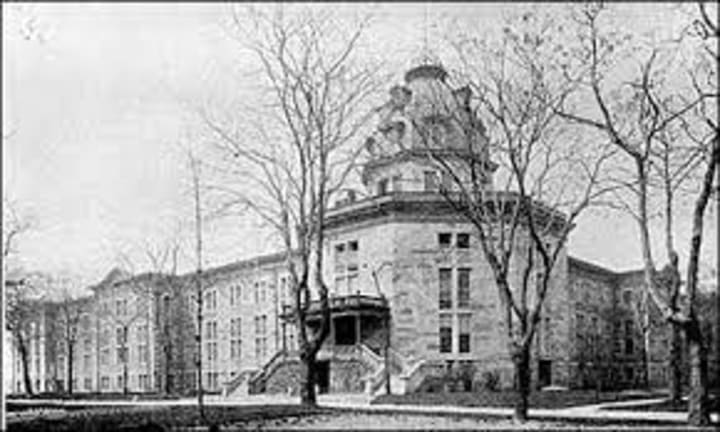
Bly originally spent time at Bellevue Hospital where patients lived in squalor, received incorrect mental health diagnoses, and were fed spoiled food. After receiving a diagnosis of several mental illnesses, Bly was sent to Blackwell Island. Bly was astonished by the conditions she and other patients endured.
Conditions at Blackwell Island Exposed
Over 10 days, Bly noted how 1,600 people overcrowded the asylum intended to hold 1,000 patients. Only 16 doctors were on staff to care for the patients. The quality of life, or lack thereof, of the patients, didn't seem to bother anyone at Blackwell Island. Treated more as a tourist attraction than a treatment facility, Blackwell attracted people curious to see people who had ‘gone mad.’
Doctors -the few of them working at the facility-had little training and little compassion or concern for their patients. The doctors viewed them as parasites of the world and enforced brutal treatments on them.
They were forced to sit on benches without speaking or moving for up to 12 hours, tethered together with ropes, forced to pull carts around like mules, fed rotten and moldy food and contaminated water to drink, and were beaten and threatened with sexual violence by incompassionate asylum workers.
Bly learned many patients at Blackwell Island were not mentally ill or insane, but instead, immigrants who could not communicate with law enforcement. Others were simply poor, didn't have families, or otherwise considered downtrodden for one reason or another. Many were completely normal until arriving at the asylum.
Expose' Leads to Changes in Mental Health Asylums
When a panel visited the asylum to investigate a month late, hospital staff had been tipped off -and the asylum operated normally. Inmates Bly had named in her series of articles had been released and staff denied the accusations against the facility. The panel smelled a cover-up a mile away and immediately signed a bill to increase funding for mental institutions. Staff members were fired, changes were made to hospital rules and regulators, and translators were brought in to help immigrants.
About the Creator
Criminal Matters
The best of the worst true crime, history, strange and Unusual stories.
Graphic material. Intended for a mature audience ONLY.
Follow me @ facebook.com/criminalmatterspage AND @ https://www.facebook.com/profile.php?id=61581347810331
Reader insights
Nice work
Very well written. Keep up the good work!
Top insights
Easy to read and follow
Well-structured & engaging content
Expert insights and opinions
Arguments were carefully researched and presented
On-point and relevant
Writing reflected the title & theme
Keep reading
More stories from Criminal Matters and writers in History and other communities.
Chicago Hospital Held Newborn Baby for 8 Months Over an Unpaid Medical Bill
Debts were handled much differently in the 19th and early 20th century. Back then, people who accrued debt had more to fear than letters and calls from collection agencies the same way we do today, especially if they owed a hospital or doctor money.
By Criminal Matters7 days ago in History
Why Early Aircraft Designs Failed Before They Ever Flew
Long before airplanes became symbols of speed and global connection, flight was an idea filled with uncertainty, ambition, and repeated disappointment. Early aircraft designers were driven by a powerful belief that humans could conquer the skies, yet many of their creations never made it past workshops, fields, or testing grounds. These failures were not accidents of carelessness; they were the result of a world still learning the rules of flight.
By Beckett Dowhan7 days ago in History
So You Decided To Become a Nurse Practitioner:
So you decided to become an "Advanced Practice" nurse. Congratulations!... is what I would say if this was a good idea. Grad school? In this economy? What were you thinking? Likely it was something along the lines of either 1) “I've seen these other chucklefucks do it— Why can't I?” or even 2) “I've got a nice career, I should shake it up. I miss feeling like I have no clue what I'm doing.”
By Sandor Szabo3 days ago in Fiction




Comments
There are no comments for this story
Be the first to respond and start the conversation.