
Samurai Nobility
A Day in the Life of a Samurai

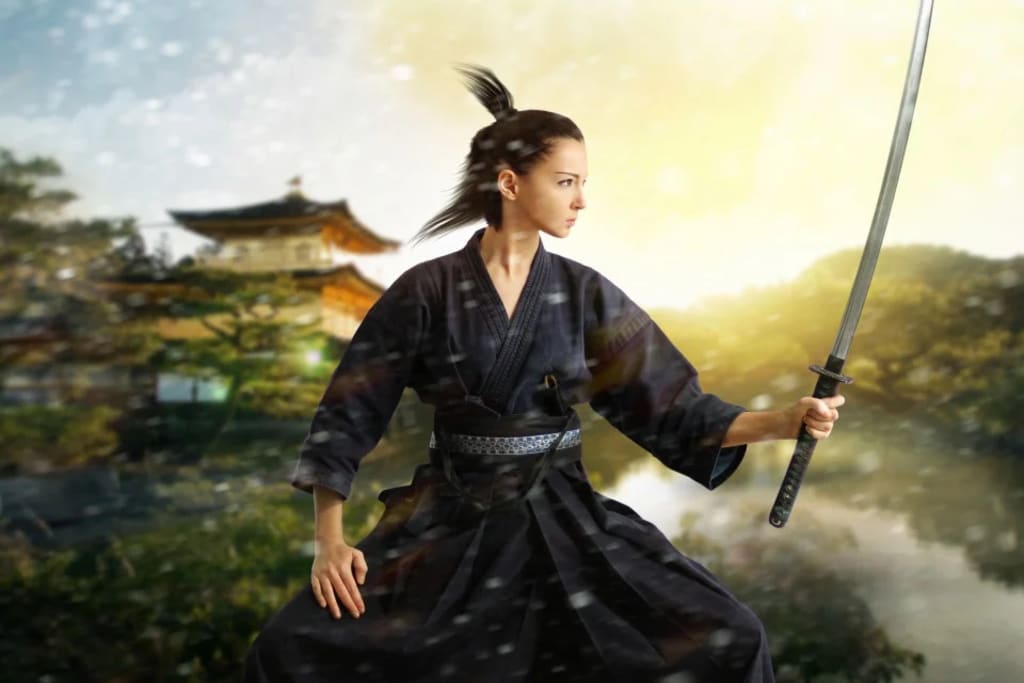
The samurai of feudal Japan have long intrigued and inspired people worldwide. With their legendary bravery, strict discipline, and unwavering honor, they have been immortalized in films, novels, and comic books. Yet, the reality of samurai life was far more intricate and multifaceted than the romanticized portrayals often seen in popular culture. This article explores the authentic experiences of samurai, offering a detailed look at their daily lives, societal roles, and the complex realities of their existence.
Origins and Evolution of the Samurai
The term "samurai" is derived from the Japanese word "subaru," which means "to serve." This warrior class began to take shape around the eighth century, during Japan’s Heian period. This era is roughly contemporaneous with the European Crusades, highlighting a time of significant military and political transformation in both Japan and Europe.
Initially, Japan's military relied on conscripted peasants, who were often inexperienced and unreliable. In contrast, the nobility employed private soldiers who were highly trained and skilled. By the end of the eighth century, the Japanese government began to integrate these elite warriors into the national military establishment, marking the emergence of the samurai class.
The samurai's role evolved significantly over the centuries. By the 12th century, they had begun to embody the disciplined, honorable warriors familiar to us today. The samurai's rise was closely tied to the shifting political landscape, including the notable Genpei War of 1180. The Minamoto clan’s victory over the Taira clan led to the establishment of a military dictatorship under Minamoto Yoritomo, Japan’s first shogun. This marked the beginning of the Kamakura period and a profound shift in Japanese governance.
Training and Education
Becoming a samurai required rigorous and extensive training from a very young age. Training commenced as early as three years old, with children learning the basics of fencing using wooden swords. By the age of five, these young warriors would begin handling real weapons. The training was comprehensive and included both physical conditioning and intellectual education.
From the age of ten, boys were sent to specialized schools where they were educated in the samurai philosophies of spirituality, literature, weaponry, and conflict. This education was not limited to martial skills but also encompassed ethical and philosophical teachings. Samurai were expected to excel in both combat and scholarly pursuits, embodying the ideal of the "warrior scholar."
Economic and Social Challenges
Despite their formidable skills and societal importance, samurai were not considered part of the nobility within Japan’s rigid caste system. Instead, they occupied a special military class that faced financial challenges akin to those of merchants. Their status was subject to the whims of various shoguns, who would enact different rules that often complicated their economic situation.
Steady employment was not guaranteed, and the samurai had to navigate the economic difficulties that came with their class. Different shoguns had varying definitions and regulations concerning samurai status, which could impact their livelihood. For instance, some shoguns extended their power over the samurai by redefining their role or imposing new financial burdens.
Diet and Daily Life
The diet of the samurai was influenced by the principles of Zen Buddhism, which arrived in Japan in the 12th century. Zen Buddhism emphasized simplicity and vegetarianism, leading to a diet rich in fruits, vegetables, and grains, especially rice. Samurai often lived frugally, relying on a diet of husked rice provided by their lords. For a samurai preparing for battle, their diet might include supplements such as abalone, chestnuts, and kelp.
Rice wine, known as sake, was a popular beverage among samurai. Despite their strict codes and often challenging economic circumstances, samurai enjoyed this alcoholic drink, which was a staple in Japanese culture. Their meals were simple compared to the lavish banquets enjoyed by the aristocracy and military elite.
Armor and Weaponry
The evolution of samurai armor and weaponry reflects the technological advancements and changing combat needs of the time. Early samurai armor was designed for flexibility, using iron plates combined with leather or bronze strips. As technology advanced, armor became more elaborate and heavier, incorporating intricate designs and advanced materials.
One notable type of armor was the yoroi or o-yoroi, which consisted of a multi-part skirt, a cuirass, shoulder pads, and a helmet. This armor could weigh over 60 pounds, illustrating the balance between protection and mobility that samurai had to manage. Samurai helmets, or kabuto, were made from iron and steel, providing head and neck protection. These helmets were often decorated with symbols or animal iconography, reflecting the samurai’s status and affiliation.
In terms of weaponry, samurai initially preferred spears but eventually came to favor bows and arrows, especially during the medieval period when they traveled on horseback. The katana, a distinctive samurai sword, became popular during the Kamakura period and remained a key weapon well into the 15th century. The katana, known for its sharpness and craftsmanship, became a symbol of the samurai’s martial prowess.
Marriage and Social Customs
Marriage among samurai was governed by strict social norms and required approval from individuals of equal or higher rank. Higher-ranked samurai often had arranged marriages, which were formalized through alliances and political considerations. Lower-ranked samurai were also subject to arranged marriages, though they were permitted to marry commoners if necessary.
As samurai society evolved, it became more patriarchal. By the 13th century, husbands had significant control over their households and wives. Divorce was permitted, and multiple marriages were not uncommon, reflecting the changing dynamics of samurai society.
Bushido: The Samurai Code
The samurai were bound by the bushido code, which emphasized bravery, honor, and loyalty. This moral code became standardized under the Kamakura shogunate in 1232 through the Formulary of Adjudications. Bushido required samurai to uphold honor both in battle and in daily life.
Seppuku, or ritual suicide, was a severe consequence for dishonorable behavior. It was also considered an honorable way to avoid capture or to restore lost honor. This practice reflected the samurai's deep commitment to their code and the extreme measures they would take to preserve their reputation.
Cultural Contributions and Philosophy
Beyond their martial skills, samurai also contributed to Japan’s cultural and intellectual life. The Kamakura period saw the integration of literature, arts, and philosophy into samurai training. Samurai engaged in poetry and other artistic pursuits, embodying the concept of "bushido" as both a code of conduct and a guide to cultural refinement.
The phrase "literary arts, military arts both ways" captured this duality. Samurai were not only warriors but also patrons of the arts, reflecting a sophisticated blend of martial prowess and cultural appreciation. This aspect of samurai life highlighted their ability to balance combat skills with intellectual and artistic achievements.
Closing
The life of a samurai was shaped by a complex interplay of military conflict, social structures, and cultural philosophies. Far from the simple, heroic archetypes often depicted in popular culture, samurai existed within a framework of economic pressures, societal expectations, and evolving norms. Their real-life experiences were marked by both hardship and honor, reflecting a unique and pivotal era in Japanese history.
Understanding the true nature of samurai life provides a richer perspective on their legacy and contributions. From their rigorous training and economic challenges to their adherence to bushido and cultural achievements, the samurai were a multifaceted class whose influence extended well beyond the battlefield.
About the Creator
Horace Wasland
Research analyst, writer & mystical healer. Exploring the edge where science meets mystery. From mystery/the mystical, to facts, news & psychology. Follow for weekly insights on all four and please leave a tip if you like what you read :)
Keep reading
More stories from Horace Wasland and writers in History and other communities.
The Samurai
When most people think of samurai, they envision stoic warriors epitomizing honor, integrity, and martial prowess. While this image is captivating, it oversimplifies the complex reality of the samurai’s role in Japanese society. To understand the samurai’s true legacy, we must explore their origins, rise to power, and evolution through different historical periods.
By Horace Waslandabout a year ago in History
Rajendra Chola I and the Conquest of the Ganga: A Monumental Feat in Indian History
Known as the “Gangaikonda Chola” (the Chola who conquered the Ganga), Rajendra transformed a South Indian maritime empire into a pan-Indian power whose influence stretched from the Indian Ocean to the heart of the subcontinent. This campaign was not merely a military raid but a bold statement of imperial ambition, strategic brilliance, and cultural confidence.
By Say the truth 3 days ago in History
THE GRAND EGYPTHION MUSEUM
Let’s be real for a second. When folks hear "museum," they often think of dusty halls, dry information, and that odd quiet where you feel like you're misbehaving just for breathing. But the Grand Egyptian Museum isn't like that. I really don't think that's it. It's not accurate at all. This just seems wrong. This place is really nice. Egypt really shows us that it made history, and it keeps on doing amazing things.
By Beshoy Zayerabout 18 hours ago in History



Comments (1)
Amazing piece