
Sagrada Família: Gaudí’s Unfinished Masterpiece
A timeless basilica blending faith, art, and architectural genius
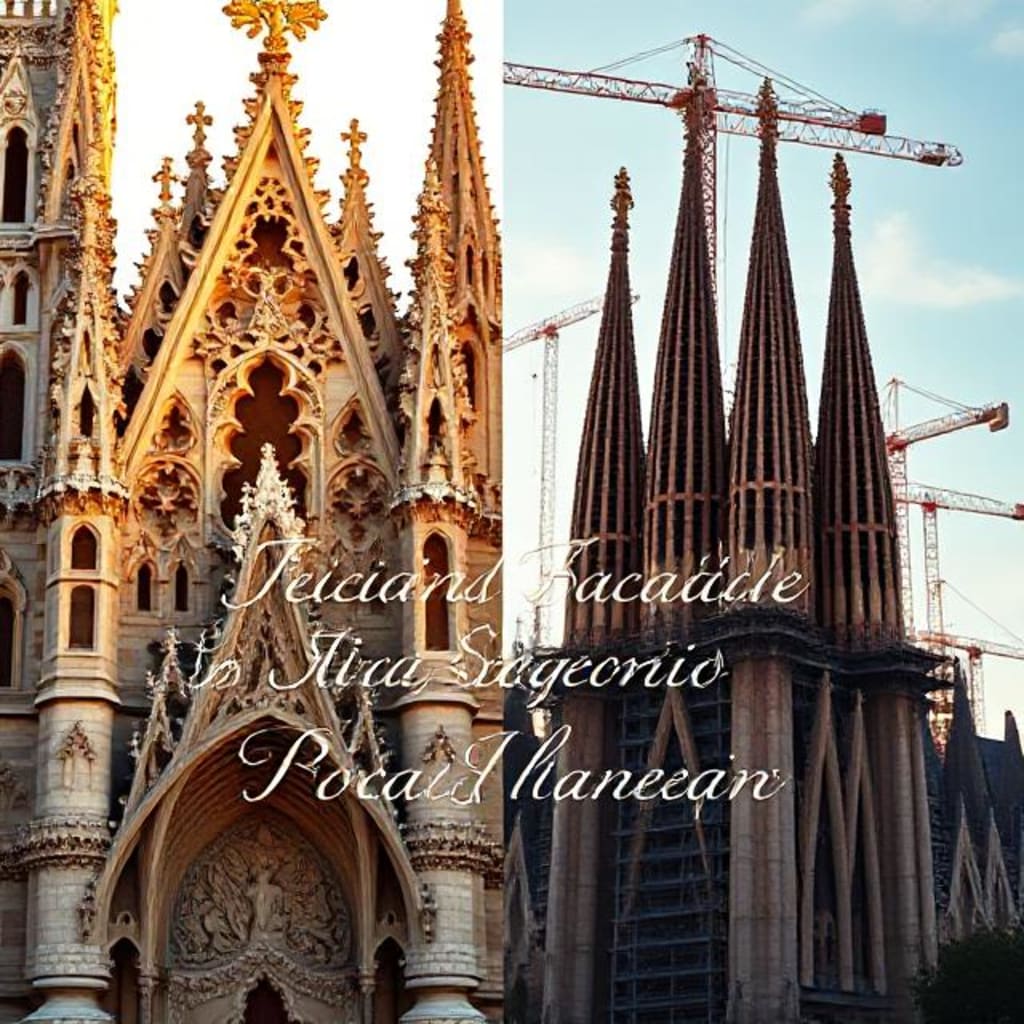
The Basílica de la Sagrada Família, located in the heart of Barcelona, Spain, is one of the most unique and recognizable buildings in the world. Its towering spires, intricate facades, and breathtaking interior make it an enduring symbol of Catalonia’s artistic and cultural heritage. Designed by the visionary architect Antoni Gaudí, this monumental church remains unfinished more than 140 years after construction began, yet it continues to inspire millions of visitors each year.
Origins and Early Construction
The Sagrada Família’s story begins in 1882, when architect Francisco de Paula del Villar started work on a standard Gothic Revival church funded by a local religious association. Just a year later, Villar resigned, and the young architect Antoni Gaudí took over the project. Gaudí radically transformed the original plan, creating an unprecedented fusion of Gothic traditions and modernist innovation.
For Gaudí, the basilica was not just a building—it was an expression of faith. He infused every element with deep religious symbolism, drawing inspiration from nature and geometry to reflect divine harmony. His vision included 18 towers: 12 dedicated to the apostles, four to the evangelists, one to the Virgin Mary, and the tallest, reaching 172.5 meters, to Jesus Christ.
Gaudí’s Lifelong Devotion
From 1914 until his death in 1926, Gaudí devoted himself entirely to the Sagrada Família. He lived a modest life, focusing all his time and resources on the basilica. By the time of his death—tragically caused by a tram accident—only the Nativity Facade and a small portion of the building were complete.
The Nativity Facade, finished largely during Gaudí’s lifetime, is a celebration of Christ’s birth, covered with intricate sculptures of animals, plants, and biblical scenes. It stands as a testament to Gaudí’s craftsmanship and attention to detail.
Interruption and Revival
After Gaudí’s passing, construction slowed, partly due to the difficulty of interpreting his complex designs. The Spanish Civil War (1936–1939) caused further setbacks, with some of Gaudí’s original plans and models destroyed. However, surviving fragments allowed future architects to continue his vision.
In the latter half of the 20th century, advances in construction technology and computer-aided design helped speed up progress. The Passion Facade, stark and angular in contrast to the Nativity, was completed in the late 20th century under the direction of architect Josep Maria Subirachs. It depicts the suffering and crucifixion of Christ in a more modernist style, offering a dramatic counterpoint to the warmth of the Nativity Facade.
The Interior: A Forest of Light
Perhaps the most striking feature of the Sagrada Família is its interior, designed to resemble a forest. Tall, tree-like columns branch out to support the ceiling, while colorful stained glass windows flood the space with light that changes throughout the day. Gaudí’s organic approach creates a serene and otherworldly atmosphere, inviting visitors to reflect and marvel.
Recognition and Religious Significance
In 2005, UNESCO declared several parts of the Sagrada Família, including the Nativity Facade and the crypt, as World Heritage Sites. On November 7, 2010, Pope Benedict XVI consecrated the church as a minor basilica, recognizing its importance as a place of worship.
Present and Future
Construction continues to this day, funded entirely by donations and ticket sales. Modern architects remain committed to completing Gaudí’s vision, with the final structure expected to include all 18 towers. The tallest central tower, dedicated to Jesus Christ, will make the Sagrada Família the tallest church building in the world upon completion.
The project’s completion date has been delayed several times—most recently due to the COVID-19 pandemic—but the anticipated finish is projected for the coming decades. Even unfinished, the basilica attracts over 4.5 million visitors annually, making it one of the most visited monuments in Europe.
Legacy
The Sagrada Família is more than just an architectural achievement—it is a spiritual symbol, a cultural treasure, and a living testament to human creativity and perseverance. Antoni Gaudí once said, “The Expiatory Church of the Sagrada Família is made by the people and is mirrored in them. It is a work in the hands of God and the will of the people.”
More than a century after its foundation stone was laid, the Sagrada Família stands as a bridge between past and future, faith and art, vision and reality. Whether admired for its religious symbolism, artistic beauty, or engineering brilliance, it remains one of humanity’s most remarkable creations.
About the Creator
Keep reading
More stories from Mukhtiar Ahmad and writers in History and other communities.
Windsor Castle: England’s Royal Fortress Legacy
Windsor Castle – England’s Royal Fortress Legacy Windsor Castle, perched on a hill overlooking the River Thames in Berkshire, England, is one of the most recognizable royal residences in the world. It holds the distinction of being the oldest and largest inhabited castle on Earth and has served as a home to British monarchs for over nine centuries. A remarkable blend of history, architecture, and living tradition, Windsor Castle is not merely a relic of the past but an active royal residence that continues to play an important role in the nation’s ceremonial and political life.
By Mukhtiar Ahmad7 months ago in History
When Bullets Turned a Garden into a Graveyard
On April 13, 1919, a peaceful gathering in the northern Indian city of Amritsar turned into one of the most tragic and defining events in the history of British colonial rule in South Asia. The incident, now known as the Jallianwala Bagh Massacre, left hundreds of unarmed civilians dead and thousands wounded. More than a century later, the bullet marks that remain on the walls of the garden serve as a silent reminder of the brutality that unfolded that day.
By Irshad Abbasi a day ago in History


Comments
There are no comments for this story
Be the first to respond and start the conversation.