
Windsor Castle: England’s Royal Fortress Legacy
Centuries of history, heritage, and monarchy within castle walls
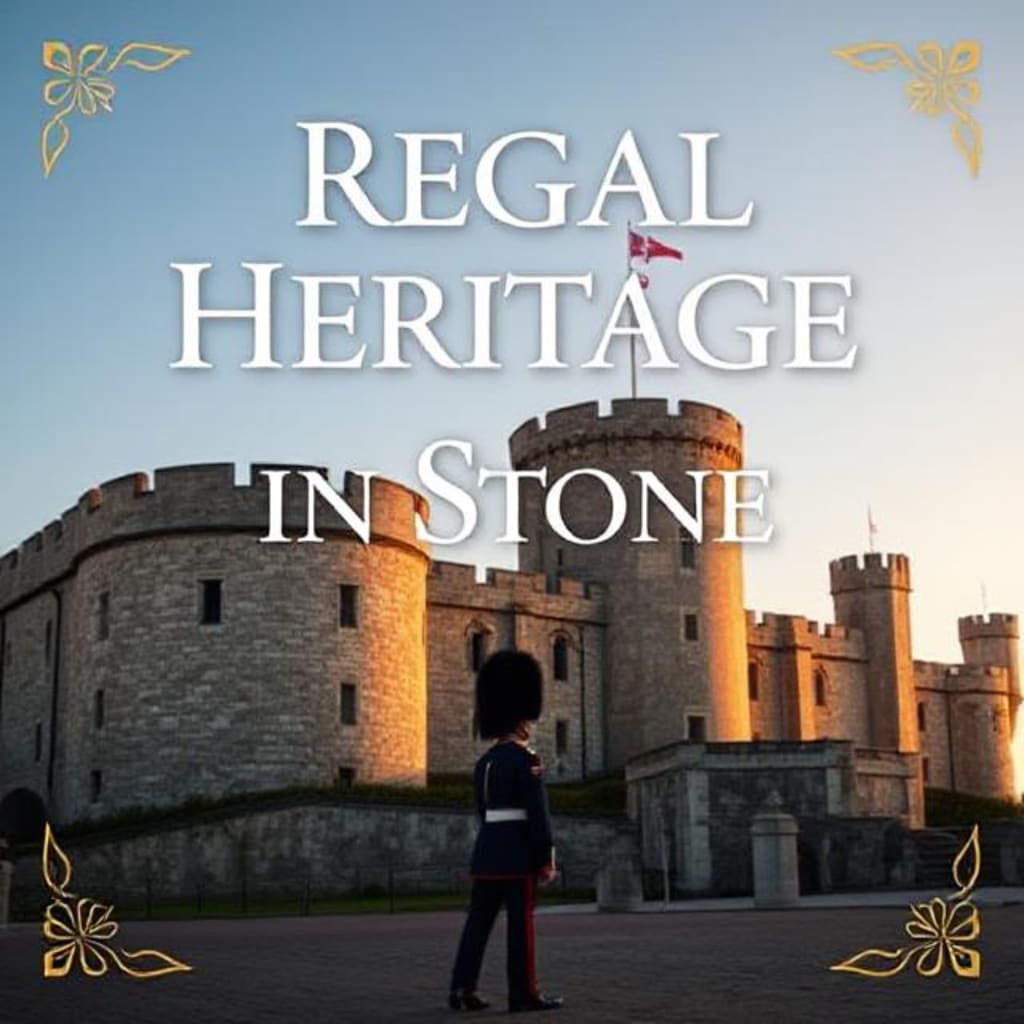
Windsor Castle – England’s Royal Fortress Legacy
Windsor Castle, perched on a hill overlooking the River Thames in Berkshire, England, is one of the most recognizable royal residences in the world. It holds the distinction of being the oldest and largest inhabited castle on Earth and has served as a home to British monarchs for over nine centuries. A remarkable blend of history, architecture, and living tradition, Windsor Castle is not merely a relic of the past but an active royal residence that continues to play an important role in the nation’s ceremonial and political life.
Origins in the Norman Conquest
The story of Windsor Castle begins shortly after the Norman Conquest of 1066. William the Conqueror ordered its construction in the 1070s as part of a chain of fortifications designed to secure his newly claimed territory. The original structure was a simple motte-and-bailey castle, strategically placed to guard the River Thames and control the western approach to London. Over time, the wooden fortifications were replaced with stone, and the castle began its transformation into a royal palace.
A Royal Residence Through the Ages
Every monarch since Henry I has used Windsor Castle in some capacity, making it a living archive of English and later British royal history. During the reign of Edward III in the 14th century, the castle underwent significant rebuilding, including the creation of the iconic Round Tower and the foundation of the Order of the Garter, England’s highest order of chivalry.
The Tudor period saw Windsor play host to grand festivities, with Henry VIII often residing there. Elizabeth I used it as a refuge during the plague outbreaks in London. During the English Civil War in the 17th century, the castle was held by Parliamentary forces and served as a prison for Charles I before his execution in 1649.
Georgian and Victorian Transformations
The Georgian era brought a wave of modernization to Windsor Castle. George III and George IV renovated the State Apartments, giving them a more comfortable and luxurious feel. The most dramatic changes occurred under George IV, who employed architect Sir Jeffry Wyatville to redesign large sections of the castle, adding Gothic Revival elements that remain to this day.
Queen Victoria and Prince Albert made Windsor their principal home, hosting state visits and lavish balls. The castle also became a place of mourning after Albert’s death in 1861, with Victoria spending extended periods in seclusion there.
A Sanctuary in Wartime
During World War II, Windsor Castle served as a safe haven for the royal family. Its location, away from central London yet close enough for easy travel, made it an ideal refuge during the Blitz. While the public was told that the family remained in London, in reality, they were quietly living within the castle walls, their presence symbolizing stability and endurance during a time of crisis.
Architecture and Key Features
Windsor Castle is vast, covering over 13 acres. It is divided into three main sections: the Lower Ward, Middle Ward, and Upper Ward. The most prominent feature is the Round Tower, a central keep that rises above the Middle Ward, offering commanding views of the surrounding countryside.
The State Apartments in the Upper Ward are among the most opulent in Europe, adorned with artworks by masters such as Rembrandt, Rubens, and Canaletto. St George’s Hall, rebuilt after a devastating fire in 1992, is used for state banquets and ceremonial events.
St George’s Chapel
One of the most important parts of Windsor Castle is St George’s Chapel, a masterpiece of English Gothic architecture. Built between 1475 and 1528, it serves as the spiritual home of the Order of the Garter. The chapel has been the site of many royal weddings, including that of Prince Harry and Meghan Markle in 2018, as well as the burial place for monarchs such as Henry VIII, Charles I, and the late Queen Elizabeth II.
A Working Royal Palace Today
Today, Windsor Castle remains a working royal palace and is often used by the monarch for both private and official duties. It plays host to state visits, investitures, and annual events such as the Garter Day procession. When the monarch is in residence, the Royal Standard flies from the Round Tower.
Tourism and Heritage
Open to the public for much of the year, Windsor Castle attracts over a million visitors annually. Tourists can explore the State Apartments, view the Changing of the Guard, and attend services at St George’s Chapel. The castle stands not only as a monument to British history but also as a symbol of continuity in an ever-changing world.
Legacy of Windsor Castle
Windsor Castle’s long history mirrors the story of the British monarchy itself—marked by adaptation, survival, and ceremony. From its Norman beginnings to its role in the 21st century, the castle has stood as a symbol of authority, resilience, and national pride.
About the Creator
Keep reading
More stories from Mukhtiar Ahmad and writers in History and other communities.
Mystical Stones of Time: Stonehenge in England
Stonehenge – England: A Monument of Mystery and Megalithic Wonder Nestled in the sweeping Salisbury Plain of Wiltshire, England, Stonehenge stands as one of the most iconic and enigmatic prehistoric monuments in the world. With its massive stones arranged in a circular pattern, this ancient structure has puzzled archaeologists, historians, and visitors for centuries. From theories of sun worship and burial rites to complex astronomical alignments and alien interventions, Stonehenge has sparked countless debates and legends. Despite the centuries of study and speculation, the exact purpose of Stonehenge remains elusive, adding to its mystique and allure.
By Mukhtiar Ahmad7 months ago in History
Israel Palestine Conflict - Who is Wrong?
Amid the conflict between Palestine and Israel, there is a small three-paragraph letter that was written on November 2, 1917 by the British Foreign Secretary Arthur Balfour to the head of a British Jewish community leader Walter Rothschild.
By Imran Ali Shah3 days ago in History



Comments
There are no comments for this story
Be the first to respond and start the conversation.