
Saddam Hussein: The Lion Who Roared Against the West
A Tribute to the Bravery of a Muslim Leader Who Never Bowed Down
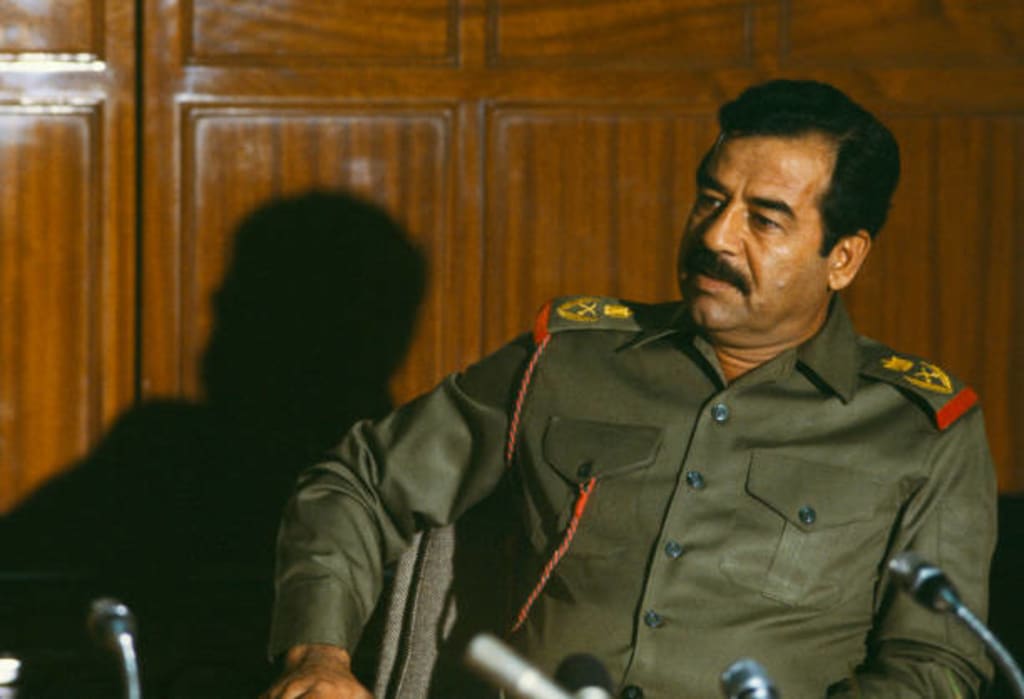
In the modern history of the Muslim world, few leaders have stood as boldly against the West as Saddam Hussein, the former president of Iraq. Loved by many, hated by some, and feared by his enemies — Saddam was a man who fought not just wars, but a battle of honor, pride, and resistance. His name still echoes in the hearts of those who believe in standing tall, even when the whole world is against you.
A Leader from the Sand of Iraq
Saddam Hussein was born in 1937 in a poor village near Tikrit, Iraq. He came from humble beginnings, raised in difficult conditions. But from a young age, Saddam dreamed big. He believed in the power and independence of Arab nations, especially Iraq, which was once the heart of Islamic civilization.
When he became president in 1979, Saddam started building Iraq. He gave attention to education, healthcare, and national strength. Baghdad became a center of progress. He wanted Iraq to rise with pride and become a powerful Muslim country. Standing Against the West
In 1990, Saddam made one of the boldest moves in modern times. He ordered Iraqi forces to enter Kuwait. This move shocked the world. The West — especially the United States — called it aggression. Saddam called it justice, saying Kuwait’s oil wealth should be shared with the Arab world, not with Western allies.
This led to the Gulf War in 1991. Dozens of Western countries attacked Iraq under U.S. leadership. Iraq was heavily bombed. Thousands of civilians died. But Saddam stayed in Baghdad. He refused to flee. He gave speeches on Iraqi TV, saying:
“This is our land, our people, and we will die here before we kneel.”
He became a symbol of resistance. While other leaders bowed to the West, Saddam stood like a lion. He reminded Muslims that honor is more important than life.Support for Palestine
One reason Saddam is loved by many Muslims is because of his clear and strong support for Palestine. When others were silent, Saddam spoke up.
He gave money to the families of Palestinian martyrs, supported their fight, and sent powerful messages against Israeli occupation. He openly said:
“Palestine is not just a place, it is the heart of the Muslim world.”
In his final days, he still mentioned Palestine. That alone made many Muslims respect him deeply.The Invasion of Iraq (2003)
In 2003, the U.S. and its allies invaded Iraq again, claiming that Saddam had weapons of mass destruction. No such weapons were ever found. But the damage was done. Iraq was destroyed, millions were displaced, and Saddam was eventually captured.
Even in prison, Saddam showed dignity and strength. He refused to beg, cry, or ask for mercy.
On the day of his execution, Eid al-Adha, Saddam walked to the gallows bravely. His final words were:
“Iraq is great. Palestine is Arab. Death to the traitors.”
He died with pride. And for many, he became a martyr — a symbol of standing tall until the very last breath.The Heavy Price America Paid
When the U.S. invaded Iraq in 2003, they believed removing Saddam would be quick and easy. But they were wrong. Saddam’s fall did not bring peace. Instead, it opened the doors to chaos.
Over 4,000 American soldiers died in Iraq. Tens of thousands were injured — many suffering for life. The cost of war reached over 2 trillion dollars. And what did they get? A destroyed country, growing hatred, and more enemies.
Even today, American leaders admit the Iraq War was a mistake. It damaged America’s reputation across the world — especially in Muslim countries. People saw how Iraq, once strong and proud, was turned into rubble. Many began to say:
“Saddam may have been tough, but he kept Iraq united and strong.”
The U.S. won the war on paper, but lost the respect of millions.
His Unshaken Voice Against Israel
Saddam Hussein’s voice was one of the loudest against Israel in the Arab world. He openly called Israel an illegal occupier and demanded justice for Palestinians. During the Gulf War in 1991, he even fired round about 60 missiles at Tel Aviv, shocking the world.
He was one of the very few Arab leaders who never recognized Israel. Instead of shaking hands or making peace deals, he chose to stand with the oppressed.
He said:
“If the Arabs unite and fight together, Israel will vanish from our lands.”
This made him a hero to many Muslims — not just in Iraq, but in Palestine, Syria, Egypt, Pakistan, and beyond. They saw him as a real man who dared to say what others were too scared to whisper.
Even after his death, Palestinian mothers and youth remember him. They say:
“He helped us when no one else did.”A Warning to the Muslim World
Saddam’s fall was not just about Iraq. It was a message to every Muslim country that stands up to Western power. His death was meant to scare others into silence.
But for many, it did the opposite. It woke them up.
It made them realize:
If you stand, you may fall.
But if you kneel, you are already lost.
Where He Rests
Saddam Hussein was buried in his hometown, Al-Awjah, near Tikrit. His grave became a place of remembrance. People still visit, recite prayers, and remember the man who refused to kneel.
Why He Lives in Muslim Hearts
Saddam was not a saint. But he was brave, proud, and never surrendered. He stood against the biggest powers in the world, and he did it in the name of Iraq, the Arab people, and Palestine.
In a world where many leaders are afraid to speak the truth, Saddam spoke loudly.
In a time when others followed orders, he followed his heart.
In a moment of death, he chose dignity over fear.
Final Words
Saddam Hussein may be gone from this world, but in the hearts of many Muslims, he is still alive — not because of politics, but because of courage. He reminded us what it means to fight for your land, to speak for your people, and to never surrender.
He was more than a president.
He was a symbol.
A lion who roared until the end.
About the Creator
Keep reading
More stories from Abuzar khan and writers in History and other communities.
"Research My Brain, I Am Sorry"
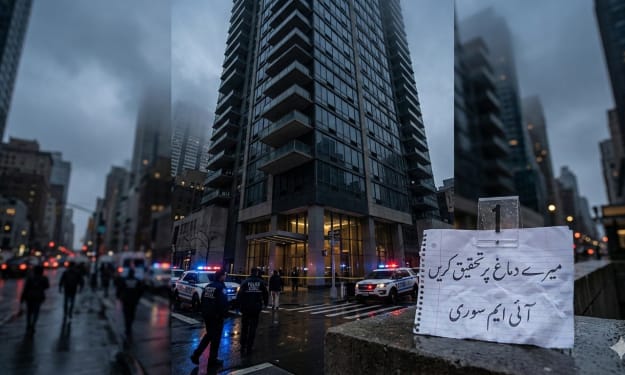
The heart of Manhattan is no stranger to the frantic energy of city life, but recently, the 44-story luxury towers of the New York skyline became the backdrop for a tragedy that has left investigators and the public grappling with a haunting mystery. After a calculated and violent shooting spree that sent residents scrambling for their lives, the discovery of the gunman’s body revealed a final, cryptic request scrawled on a piece of paper: **"Research my brain. I am sorry."**
By Irshad Abbasi 6 days ago in History
Becca
"Everything is so... flat." Denille said stupidly as she looked around her new neighborhood. She looked around at the muted desert where even the smallest sign of life seemed to have given up. The plant life was shrubs that were half cooked by the heat and where there should have been a lawn, a mess of white rocks laid glistening in the sun. Even the sky looked stretched thin, like the sun had ironed it smooth. She’d moved from Riverside, where at least there were hills, but here in Barstow, everything felt baked and brittle.
By Sara Wilson8 days ago in Fiction


Comments
There are no comments for this story
Be the first to respond and start the conversation.