
Roman Forum: Heart of Ancient Rome
Explore Rome’s political, religious, and cultural power center.
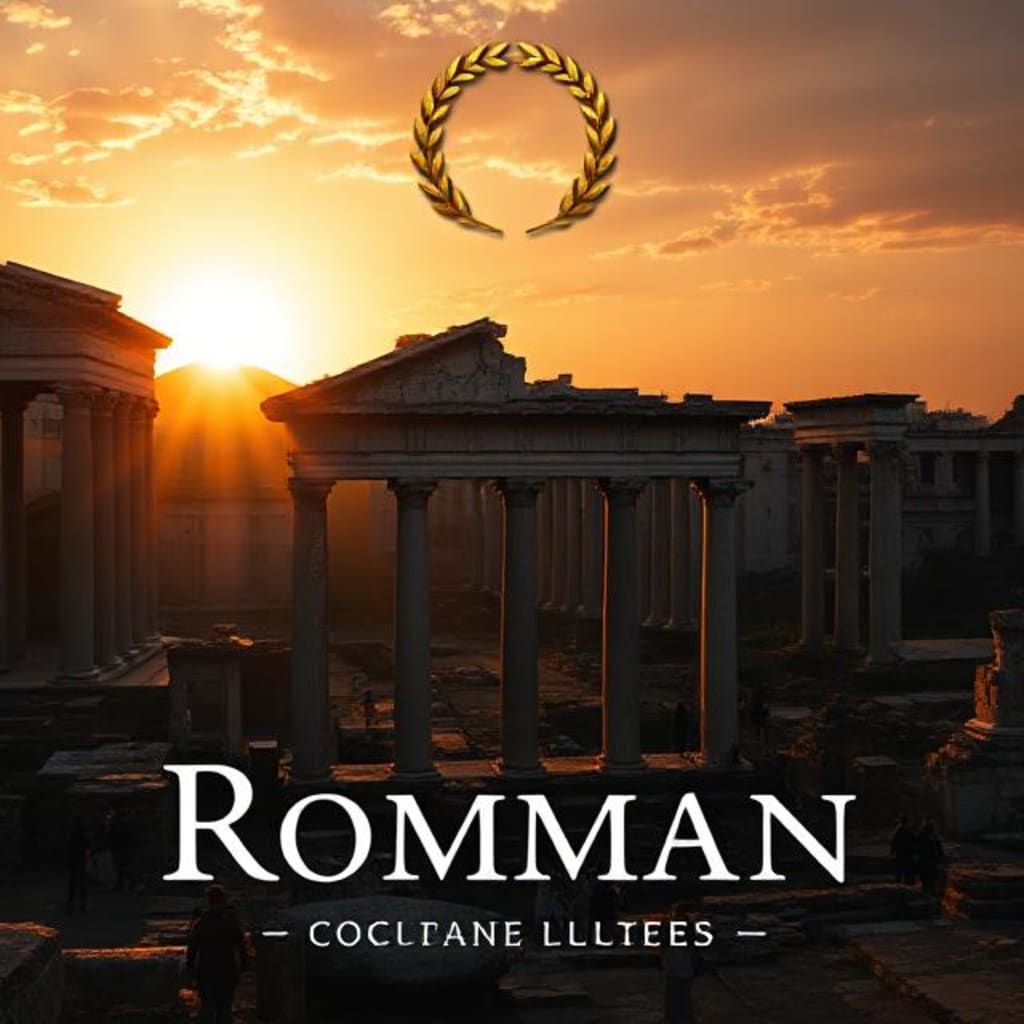
Roman Forum: Heart of Ancient Rome
The Roman Forum, or Forum Romanum, lies in the very heart of modern Rome, nestled between the Palatine and Capitoline Hills. What today appears as a scattered landscape of ruins was once the epicenter of Roman life—a buzzing hub where politics, religion, commerce, and public discourse flourished for over a millennium. To step into the Forum today is to journey back through layers of history that shaped not just a city, but the entire Western world.
The origins of the Forum date back to the 7th century BCE. Originally a marshy burial ground, it was drained by the Etruscans using the Cloaca Maxima, one of the world’s earliest sewage systems. Once cleared, it became a central space for the early Roman community. As Rome evolved from monarchy to republic and eventually empire, the Forum expanded, acquiring monuments, temples, and public spaces that reflected the city’s growing political and military power.
In the Republican era (509–27 BCE), the Forum was the nerve center of Roman political life. The Senate met in the Curia, magistrates addressed the public from the Rostra (speaker’s platform), and criminal and civil trials were held in open view. It was also a place of celebration and protest, where generals displayed spoils of war and citizens voiced their demands. Religious activity was equally prominent, with temples dedicated to gods like Saturn, Vesta, Castor and Pollux, and others forming an integral part of public life.
The transition to the Empire under Augustus brought a wave of architectural transformation. Augustus, seeking to align himself with Rome’s mythic past and divine favor, restored many older buildings and added his own monuments. The Temple of Caesar, for instance, was erected where Julius Caesar was cremated. Over time, successive emperors including Vespasian, Titus, and Domitian added their mark—each constructing arches, temples, and basilicas that not only enhanced the Forum's grandeur but also served to solidify their legacy.
Among the Forum’s most iconic structures is the Arch of Septimius Severus, built in 203 CE to commemorate his victories in Parthia. Its detailed reliefs tell a vivid story of Roman conquest. The Temple of Antoninus and Faustina, initially dedicated to the deified Faustina and later rededicated to her husband, Antoninus Pius, stands impressively preserved. Another highlight is the Basilica of Maxentius and Constantine, the last and largest of the Roman basilicas, showcasing the architectural ingenuity of the late Empire.
Yet the Forum was not only a place for the elite. It hosted markets, festivals, and public meetings where all citizens—rich or poor—could participate in the life of the city. Statues of heroes and leaders lined the streets, symbolizing civic pride and memory. Over time, the Forum became a physical chronicle of Rome’s rise, zenith, and decline.
By the 4th century CE, the Forum had begun to lose its central importance. With the decline of the Western Roman Empire and the rise of Christianity, many temples were abandoned, converted into churches, or dismantled for materials. During the Middle Ages, the once-proud ruins were reduced to a pasture known as the Campo Vaccino (Cow Field). It wasn’t until the Renaissance and later archaeological efforts in the 18th and 19th centuries that serious attempts were made to excavate and preserve the Forum.
Today, the Roman Forum is one of the most visited archaeological sites in the world. Visitors walk the same stones as Cicero, Julius Caesar, and countless others who shaped the course of history. Standing amidst the broken columns, weathered arches, and sacred ruins, one can feel the weight of centuries and the enduring spirit of Roman civilization.
The Forum is more than a collection of ruins—it is a testament to the complexity of Roman society. It reveals how law, religion, commerce, and power intersected to build an empire that still echoes in modern governance, architecture, and language. As you gaze across the sprawling ruins, you are not just looking at stones—you are looking at the very bones of Western Civilization.
About the Creator
Keep reading
More stories from Mukhtiar Ahmad and writers in History and other communities.
Colosseum: Legacy of Ancient Roman Glory
Colosseum – A Monument of Empire and Endurance The Colosseum, or Flavian Amphitheatre, located in the heart of Rome, Italy, remains one of the most iconic and awe-inspiring structures of the ancient world. Constructed nearly 2,000 years ago, it represents not only the architectural genius of the Roman Empire but also a complex reflection of its society, politics, and values. This monumental arena was the grand stage where emperors, gladiators, and roaring crowds converged in a spectacle of power, survival, and entertainment.
By Mukhtiar Ahmad8 months ago in History
The Mysterious Arms Drop: When Weapons Fell from the Sky Over India
In the mid-1990s, one of the most mysterious and controversial arms smuggling operations in South Asia unfolded in dramatic fashion when a large cache of weapons literally fell from the sky in eastern India. The incident involved an aircraft traveling between Karachi and Dhaka, allegations of international intelligence links, and a clandestine mission that continues to raise questions about who was behind it and why.
By Irshad Abbasi 7 days ago in History


Comments
There are no comments for this story
Be the first to respond and start the conversation.