
Colosseum: Legacy of Ancient Roman Glory
Iconic Roman amphitheater showcasing grandeur, power, and architectural brilliance
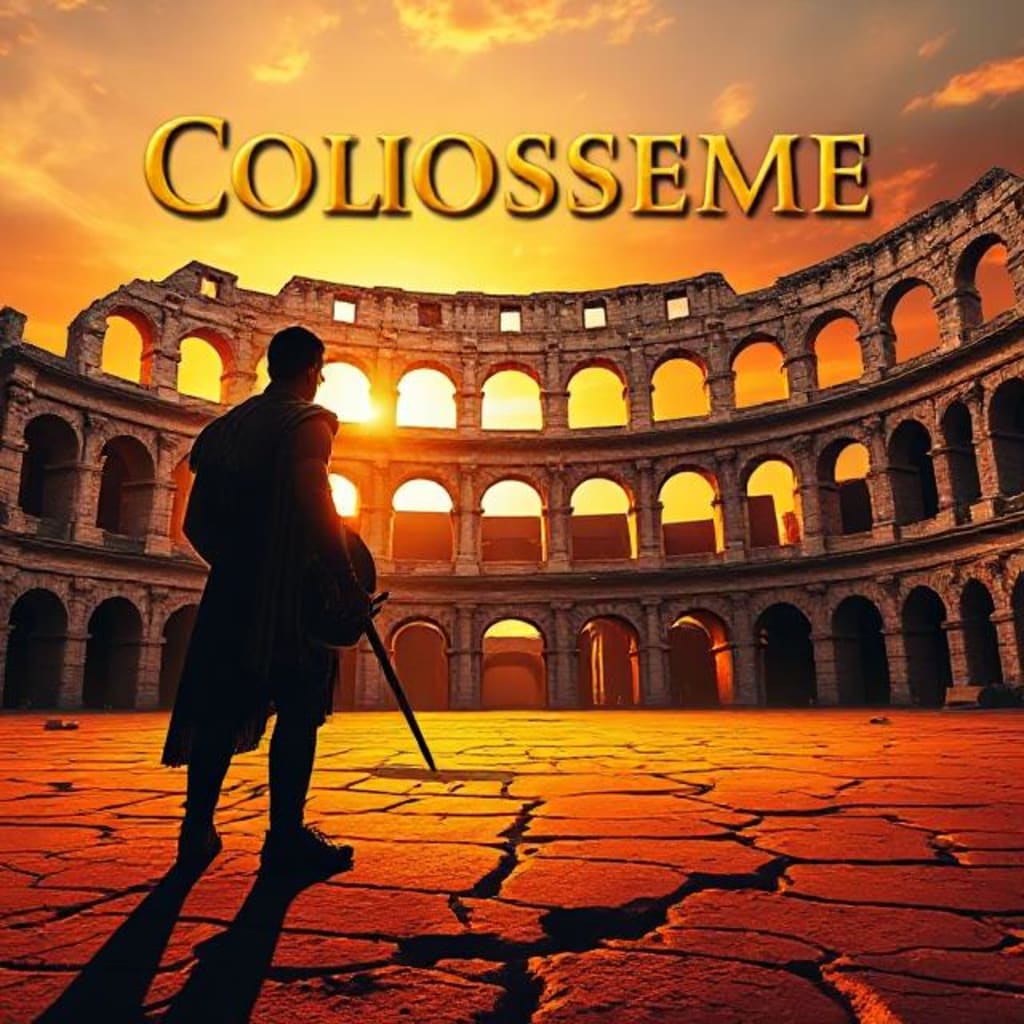
Colosseum – A Monument of Empire and Endurance
The Colosseum, or Flavian Amphitheatre, located in the heart of Rome, Italy, remains one of the most iconic and awe-inspiring structures of the ancient world. Constructed nearly 2,000 years ago, it represents not only the architectural genius of the Roman Empire but also a complex reflection of its society, politics, and values. This monumental arena was the grand stage where emperors, gladiators, and roaring crowds converged in a spectacle of power, survival, and entertainment.
The construction of the Colosseum began in AD 72 under the emperor Vespasian, the founder of the Flavian dynasty, and was completed in AD 80 under his son Titus, with later enhancements by Domitian. Built on the site of Nero’s private palace, the Domus Aurea, the Colosseum was a political statement—an effort to return land to the people and gain public favor. The colossal structure could seat between 50,000 to 80,000 spectators, making it the largest amphitheater ever built.
The architecture of the Colosseum is a testament to Roman engineering mastery. It stands about 48 meters (157 feet) tall and spans 189 by 156 meters (620 by 512 feet). Built from travertine limestone, tuff, and brick-faced concrete, the structure was designed to withstand centuries. It features a complex system of vaults and arches that provided strength, flexibility, and efficient crowd control. There were 80 entrances, allowing thousands to enter and exit swiftly, an innovation centuries ahead of its time.
Inside, the Colosseum was a marvel of organization. It had a tiered seating arrangement that reflected the rigid Roman social hierarchy. The emperor and elite sat closest to the action, while ordinary citizens and women were placed higher up. The arena itself was made of wood covered with sand, which absorbed blood during the violent spectacles.
Beneath the arena lay the hypogeum, a subterranean network of tunnels and chambers used to house animals, slaves, and gladiators before their dramatic entrances. The hypogeum included trapdoors, elevators, and pulley systems to surprise audiences with sudden appearances of wild beasts or warriors—an ancient version of special effects.
The Colosseum hosted a variety of public spectacles known as "munera" (gladiator combats), "venationes" (animal hunts), and mock naval battles during its early years. These events were not merely entertainment; they reinforced Roman ideals of bravery, strength, and the power of the empire. Gladiators, many of whom were slaves, prisoners of war, or condemned criminals, fought for their lives, fame, or occasionally, their freedom. Wild animals from across the empire—lions, tigers, elephants, and crocodiles—were brought in to demonstrate Rome’s dominion over nature and its vast territories.
With the decline of the Roman Empire and the rise of Christianity, the Colosseum’s function shifted. Gladiatorial games ended by the 5th century, and the structure gradually fell into disrepair due to neglect, earthquakes, and stone robbers. Despite its damage, the Colosseum remained a part of Rome’s evolving landscape, serving at various times as a fortress, quarry, and Christian shrine. In the 18th century, Pope Benedict XIV declared it sacred due to the martyrdom of early Christians believed to have occurred there—though historical evidence of Christian executions at the Colosseum is inconclusive.
The modern era saw renewed interest in preserving this ancient icon. Restoration efforts began in the 19th century and have continued into the 21st, ensuring that the Colosseum remains both structurally stable and accessible to millions of tourists each year. It was declared a World Heritage Site by UNESCO in 1980 and was also named one of the New Seven Wonders of the World in 2007.
Today, the Colosseum stands not just as a relic of imperial ambition, but as a global symbol of resilience, culture, and the enduring human fascination with power and spectacle. It draws over 7 million visitors annually, inspiring awe and reflection. Scholars continue to study it, artists reimagine it, and filmmakers recreate its grandeur—keeping the spirit of ancient Rome alive.
The Colosseum remains a bridge between past and present, reminding the world of both the marvels and the moral complexities of human civilization. As sunlight filters through its ancient arches and tourists tread its worn stones, the echoes of history still reverberate through every corridor.
About the Creator
Keep reading
More stories from Mukhtiar Ahmad and writers in History and other communities.
Whispers of Rome Echo Through Tipasa’s Stones
Tipasa Roman Ruins – Echoes of Empire on Algeria’s Coast Nestled along the glistening Mediterranean coast of northern Algeria, the Roman ruins of Tipasa stand as a testament to the grandeur, complexity, and endurance of one of history’s greatest empires. This UNESCO World Heritage Site offers a stunning glimpse into the past, where Roman engineering, Berber culture, and early Christianity once thrived side by side.
By Mukhtiar Ahmad8 months ago in History
Year 1903 in Review: Fun Facts, Trivia, and Historic Highlights
This quick read is a collection of fun facts, trivia, and historical events from the year 1903. Discover the year’s top news stories, most influential people, sports facts, historic firsts, entertainment trivia, and much more.
By Gregory DeVictor6 days ago in History
My First Time Skiing and I Got Lost, Alone, in the French Alps
Looking back, I can trace some of my life’s biggest adventures to a simple action from my sister. She’d introduced me to Tommy (a very long time ago), a colleague of hers, who had overshared his penchant for Italian-looking women, and I ticked that box.
By Chantal Christie Weiss2 days ago in Humans



Comments
There are no comments for this story
Be the first to respond and start the conversation.