
Reviving the Spirit of Activism
A Call to Action Against Oligarchy
Introduction
In the annals of American history, democracy has always been a torch held high—a beacon of hope, equality, and justice. Yet today, we stand at a precipice. The very principles that underpin our democracy are under assault by an emerging class of oligarchs whose unchecked influence threatens to erode the foundations of our society. Now more than ever, we must draw inspiration from the grassroots movements of the 1960s and 70s—eras marked by courage, outrage, and an unyielding demand for justice. It is time to reignite that spirit of activism and rise against the forces that seek to undermine the American dream.
Section 1: Historical Context
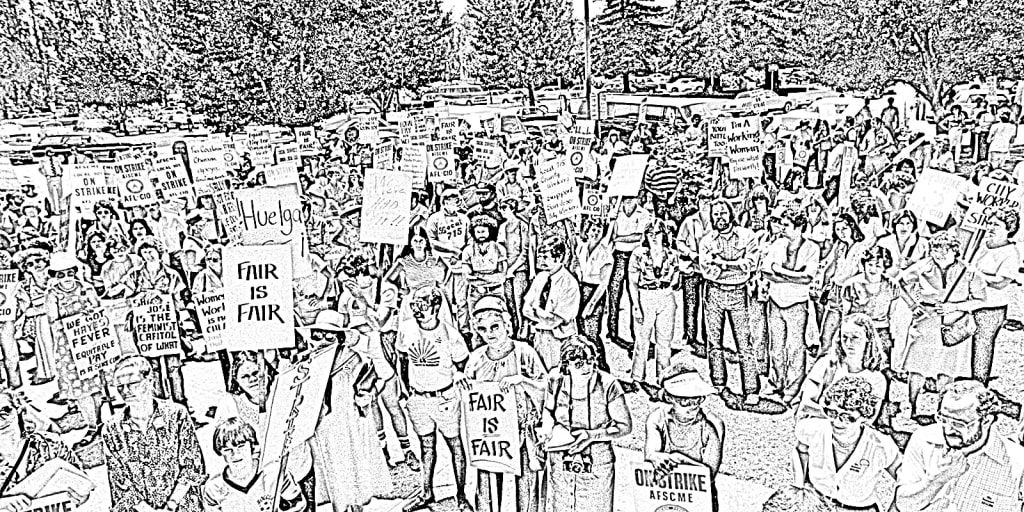
The 1960s and 70s were decades of tumult and transformation. From the stirring speeches of Dr. Martin Luther King Jr. to the chants of anti-war protesters flooding the streets, these years were defined by a collective determination to challenge injustice. The Civil Rights Movement shattered the chains of segregation, the anti-Vietnam War protests exposed the moral cost of military aggression, and the nascent environmental movement laid the groundwork for a more sustainable future.
Students were at the heart of this revolution. On campuses across the nation, young people organized sit-ins, marches, and teach-ins, proving that the energy of youth could alter the course of history. These movements taught us invaluable lessons: the power of unity, the necessity of bold action, and the unyielding belief that change is possible.
Section 2: The Current Landscape
Fast forward to today, and the challenges we face are no less daunting. A handful of individuals—figures like Elon Musk and Jeff Bezos—wield unprecedented economic power, shaping political and societal landscapes to suit their interests. These oligarchs exploit loopholes, influence legislation, and consolidate wealth at the expense of the many. Their actions undermine the principles of fairness, equity, and representation, creating a society where the few thrive while the many struggle.
This concentration of power threatens the very fabric of democracy. When billionaires can dictate policy, suppress labor movements, and evade accountability, the promise of government "of the people, by the people, for the people" rings hollow. The stakes are too high to remain silent.
Section 3: The Need for a New Wave of Activism
History has shown us that the most effective antidote to oppression is collective action. Large-scale protests and demonstrations have the power to expose injustice, galvanize public opinion, and force change. Just as the Civil Rights Movement dismantled institutional racism and the environmental activists of the 70s spurred landmark legislation, today’s activism can confront the oligarchic forces that threaten democracy.
We must call out these oligarchs by name, demand transparency, and insist on policies that prioritize the public good over private gain. Protests must be bold, visible, and unrelenting. They must shake the halls of power and remind those in charge that they govern only with the consent of the governed.
Section 4: Strategies for Mobilization
To reignite the spirit of activism, we need a clear strategy:
Organize Locally and Nationally: Build coalitions among diverse groups—students, workers, environmentalists, and social justice advocates—to create a united front.
Leverage Technology: Utilize social media and digital platforms to mobilize, inform, and inspire. Technology gives us tools that activists of the past could only dream of.
Define Goals and Messaging: Clear, focused objectives ensure that movements remain cohesive and impactful. Whether it’s advocating for tax reforms, stricter antitrust laws, or increased transparency, clarity is key.
Engage Communities: Host forums, town halls, and workshops to educate the public about the dangers of oligarchy and the importance of civic engagement.
Section 5: The Role of Education and Awareness
An informed populace is democracy’s strongest defense. Grassroots education efforts are essential to illuminating the impact of oligarchic power on everyday lives. Community discussions can spark awareness, while voter education campaigns ensure that citizens understand the stakes of every election.
Civic engagement must be woven into the fabric of society. Schools, workplaces, and community centers should foster an environment where activism is not just encouraged but celebrated. Knowledge is the seed from which change grows.
Conclusion
The hour is late, but it is not too late. The threats we face demand action—urgent, uncompromising, and united. Just as the activists of the 60s and 70s refused to accept the injustices of their time, we must rise to meet the challenges of ours. Let us march, let us speak, and let us demand a democracy that serves the many, not the few.
In the words of John F. Kennedy, "Let every nation know, whether it wishes us well or ill, that we shall pay any price, bear any burden, meet any hardship, support any friend, oppose any foe to assure the survival and the success of liberty." Let us honor that commitment. Let us answer the call. The future of democracy depends on it.
About the Creator
John Harker
Former HR exec | Advocate for liberal democracies & equality | 🐾 Animal lover, proud husband & dad | 🇪🇺 Pro-EU & rejoiner | Anti-MAGA & Trump | Believer in a brighter, united future.
Keep reading
More stories from John Harker and writers in History and other communities.
The Failure of Merrick Garland to Investigate and Indict Trump
As Donald Trump prepares to be sworn in as the 47th President of the United States on January 20, 2025, the actions—or lack thereof—of Attorney General Merrick Garland have come under intense scrutiny. While it is important to recognize that approximately 277 rioters have been sentenced to prison for their roles in the January 6, 2021, Capitol attack, many argue that Garland’s failure to investigate and indict Trump represents a significant lapse in accountability. This retrospective examines what Garland should have done early in his tenure to uphold the rule of law and restore public trust in the justice system.
By John Harkerabout a year ago in History
Year 2016 in Review: Fun Facts, Trivia, and Historic Highlights
This quick read is a collection of fun facts, trivia, and historical events from the year 2016. Discover the year’s top news stories, most influential people, sports facts, historic firsts, entertainment trivia, and much more.
By Gregory DeVictor7 days ago in History



Comments
There are no comments for this story
Be the first to respond and start the conversation.