
Religious Cults in Ancient Societies: Beliefs, Practices, and Influence
Cult


Religious cults have been a fundamental aspect of human civilization since antiquity. In ancient societies, cults were not necessarily viewed in the negative light that the term might evoke today. Instead, cults represented structured, ritualistic practices dedicated to specific deities, forces, or supernatural entities. These cults were pivotal to the social and political landscapes of their time, shaping everything from public rituals to personal identities. This article explores the role of religious cults in ancient societies, delving into their beliefs, practices, and broader societal influence.
What Were Ancient Religious Cults?
In the ancient world, the term “cult” referred to a system of religious worship and rituals directed at a specific god, goddess, or spiritual being. Cults were often distinguished from broader religious practices by their specialized focus, and their adherents typically had a deep commitment to the beliefs and rites surrounding their deity or deities. These cults could operate at local, regional, or even state levels, with the elite often patronizing particular cults to gain favor with the gods, protect their families, or maintain political power.
Structure and Organization
Religious cults were often organized hierarchically, with high priests, priestesses, and various other temple officials responsible for the daily rites. Temples or sacred spaces dedicated to the deities were the epicenters of these cults, where rituals, sacrifices, and festivals took place. The structure could vary greatly depending on the society in question.
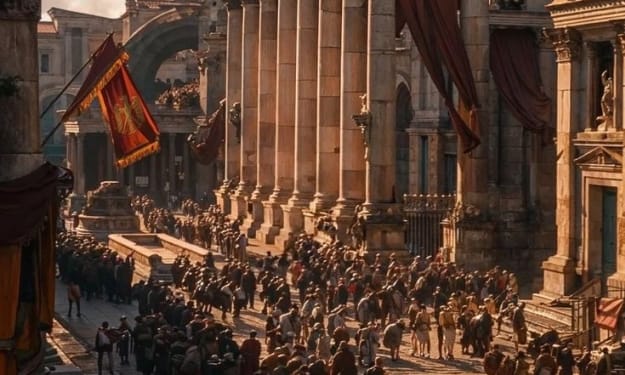
In Egypt, for example, each major god or goddess had a dedicated cult, with temples scattered throughout the land. The pharaoh, often considered divine, played a central role in temple rituals. In ancient Greece and Rome, the practices of religious cults could be more localized, and a variety of gods could be worshipped through different cultic practices. Roman emperors themselves were often the focal point of imperial cults, where the emperor was revered as a living god, further cementing their political power.
Beliefs and Practices
Cults were deeply intertwined with the mythologies and cosmologies of their respective societies. In ancient Egypt, the cults of gods like Osiris, Isis, and Ra were based on complex myths involving creation, death, and rebirth. Rituals in these cults aimed to maintain cosmic order (maat) and ensure the proper functioning of the world. These cults often involved offerings, prayers, and symbolic acts that represented the cycles of life, death, and regeneration.
In ancient Greece, the cult of Demeter and Persephone, for example, revolved around the themes of agriculture and the seasons. The Eleusinian Mysteries, a key cult in this tradition, offered initiates secret knowledge and promises of a better afterlife. Initiation into these mysteries was an important social and religious event, signifying personal transformation and communion with the divine.
Roman religious cults, especially the imperial cult, had a strong political dimension. The worship of emperors was not just a religious act but also a symbol of political loyalty. Local cults, such as those dedicated to Jupiter, Venus, or Mithras, coexisted with these imperial cults. The Mithraic cult, for example, was especially popular among Roman soldiers and involved secretive, ritualistic practices centered around the god Mithras, often in subterranean temples.
Sacrifices, offerings, and feasts were common elements of these cultic practices, meant to appease the gods, secure blessings, or secure favor in times of crisis. In ancient Rome, animal sacrifices at temples were not only acts of devotion but also ways of seeking the gods’ protection in times of war, famine, or other crises.
Cults and Social Identity
Religious cults often played a role in the formation of personal and group identities. Initiates of a cult, particularly in mystery religions like those of Isis or Mithras, underwent rituals that marked a transformation in their spiritual life. For some, joining a religious cult provided a sense of community and purpose, as these cults often operated with tight-knit, initiatory networks.
In some cases, cults could offer marginalized or disenfranchised groups opportunities for belonging. For example, the cult of Isis in the Roman Empire was especially popular among women, who could find both spiritual empowerment and social connection through their participation in the cult’s rites. Similarly, the Mithraic cult, which spread widely among Roman soldiers, provided a sense of brotherhood and spiritual camaraderie, further reinforcing the social bonds within the military.
Political and Cultural Influence
Religious cults were often closely linked to political power. The patronage of certain cults by rulers or elites could significantly affect the prestige of that cult and its influence within society. Cults were not simply spiritual entities but also potent political tools, used to maintain order, support leadership, and legitimize political authority.
The imperial cult in ancient Rome is a key example of the fusion of politics and religion. Emperors were often deified after death, and their cults became central to the maintenance of imperial unity. A ruler’s relationship with the gods, mediated through religious cults, was seen as essential to the prosperity of the empire. Similarly, in ancient Egypt, the pharaoh’s role as both king and god meant that religious cults centered around the pharaoh were essential to Egypt’s political stability.
Religious cults also played a role in cultural exchange. For example, the spread of Eastern deities like Mithras, Isis, and the Persian god Zoroaster through the Roman Empire reflects a cross-cultural exchange of religious ideas. These cults transcended local identities, drawing people from various parts of the empire and influencing the broader spiritual landscape.
Decline and Transformation
The decline of ancient religious cults occurred over several centuries, influenced by factors like the rise of monotheistic religions, particularly Christianity and Islam. In the Roman Empire, the eventual adoption of Christianity as the state religion in the 4th century CE led to the decline of many traditional cults, as the Christian Church sought to consolidate power and suppress pagan practices. By the late Roman Empire, many of the older religious cults had either been absorbed into new religious frameworks or faded into obscurity.
In Egypt, the dominance of Christianity also led to the decline of the ancient Egyptian religious system, with many temples being repurposed or abandoned. The rise of Islam in the 7th century further eclipsed these traditions, though remnants of the cults could still be found in the cultural practices and iconography of later societies.
Conclusion
Religious cults in ancient societies were powerful forces that shaped the spiritual, political, and social fabric of their time. They provided people with frameworks for understanding the cosmos, offered channels for divine communication, and reinforced social bonds through shared rituals and beliefs. Whether as part of state-sponsored temples, mystery religions, or localized practices, ancient cults played a pivotal role in the lives of millions of people. As history progressed and new religious systems arose, the ancient cults gave way to new forms of worship and religious identity. Yet their influence, particularly in shaping ideas about the divine, community, and the afterlife, continues to reverberate in modern religious traditions.
About the Creator
Keep reading
More stories from Matilda Otu and writers in History and other communities.
The Roman Empire: The Rise, Glory, and Fall of an Ancient Civilization
The Roman Empire, one of the most influential and enduring civilizations in history, left a lasting legacy that continues to shape the world today. Spanning from the legendary founding of Rome in 753 BCE to its eventual collapse in the West in 476 CE, the empire’s rise, achievements, and eventual decline have fascinated historians, scholars, and enthusiasts for centuries.
By Matilda Otuabout a year ago in History
Could Israel Ever Collapse? Understanding the Realities of Modern Geopolitics
Could Israel Ever Collapse? Understanding the Realities of Modern Geopolitics In discussions about the Middle East, some people ask dramatic questions such as whether Israel could ever face collapse or “the end.” These questions often appear during periods of intense conflict in the region. However, understanding this issue requires looking carefully at political realities, military power, international alliances, and regional dynamics rather than focusing only on emotional reactions during crises.
By Wings of Time 6 days ago in History
A Transparent Look at Vocal Challenges and Top Stories
Almost three years ago, we shared a resource article that served as a place for people to suggest new challenge prompts. We thought it would be a good idea to refresh that thread, and take the opportunity to answer a few common questions about top stories, how challenges are judged and how submissions are reviewed.
By Vocal Curation Team4 days ago in Resources


Comments
There are no comments for this story
Be the first to respond and start the conversation.