
Photos of sky burials in Tibet, China
Sky burial is to feed the body of the deceased to vultures. After the vultures eat, they fly up to the sky. Tibetans believe that the deceased has successfully ascended to heaven. Sky burials are held at sky burial sites, which are fixed in various places. After a person dies, the body is kept for several days, and lamas are invited to chant sutras and choose a day for the funeral. The funeral procession is usually very early. A special person will send the body to the sky burial master, who will first burn incense to offer sacrifices to the gods. The vultures will gather around the sky burial site when they see the fireworks. The sky burial master will then strip the clothes off the body, dismember the body according to a certain procedure, and separate the meat and bones. The bones are crushed with stones and mixed with tsampa, and the meat is cut into small pieces and placed aside. Finally, a whistle is used to call the vultures, who are fed bones and meat in order until they are all eaten. Sky burial is an ancient and unique custom in Tibet, and is also the burial method adopted by most Tibetans. The funeral form of the Tibetan people has undergone historical changes. According to Tibetan historical records, in the ancient "Seven Heavens", when the kings died, they "held the rope of heaven and ascended to heaven", "disappeared like a rainbow, without any body." This situation is related to the understanding of the Tibetans at that time. At that time, the Tibetans believed that their ancestors came from heaven and returned to heaven after death. In Tibetan, sky burial is called "Duchui Jiewa", which means "putting the corpse in the burial ground"; it is also called "Qiaduo", which means "feeding the vultures". The "Qia" in the text is a kind of vulture that specializes in eating corpses, called "Hagui". Based on this, we can know that this kind of "sky burial" can also be called "bird burial". This is a sky burial platform in the Tibetan area There is no specific and accurate record of when the custom of sky burial began. After Buddhism was introduced into Tibet, it had a great influence on Tibetan funeral customs. In Buddhism, "giving" is a principle followed by believers. There are many types of giving, and giving up one's body is also a kind of giving. According to the "Essentials of Giving Up One's Body" discovered in Dunhuang, it is to persuade people to divide their flesh and blood after death and give them to the cemetery (burial ground). This custom existed before the Sui Dynasty in the Han Dynasty. This custom may be a different path for the Tibetans who believe in Buddhism. There are also Buddhist stories such as "King Sibi gave his body to pigeons" and "Mahasattva threw himself to feed a tiger", which promote "Bodhisattva gives alms and does not care about his life". A common burial custom among Tibetans, also known as "bird burial". It is used by ordinary farmers and herdsmen and ordinary people. Tibetan Buddhist believers believe that sky burial carries a wish to ascend to "heaven". Every region has a sky burial site, that is, a sky burial field, and there are special people (sky burial masters) engaged in this industry. After a person dies, the body is curled up, the head is bent on the knees, and the body is placed in a sitting position. It is wrapped in a white Tibetan blanket and placed on the earth platform on the right side behind the door. Lamas are invited to chant sutras for salvation. On an auspicious day, the corpse carrier will carry the body to the sky burial platform. First, "mulberry" incense will be lit to attract vultures. After the lama finishes chanting, the sky burial master will handle the body. Then, a group of vultures will fly over in response and compete to eat the food. It is most auspicious to eat it all, indicating that the deceased has no sins and the soul has ascended to heaven safely. If it is not eaten up, the remaining part will be picked up and burned, and sutras will be chanted at the same time. Tibetans believe that the vultures on the mountains around the sky burial platform do not harm any small animals except for eating human corpses, and are "divine birds". The sky burial ceremony is usually held in the early morning. The family of the deceased must send the body to the sky burial platform before dawn. The sky burial ceremony begins as the sun rises slowly. It is best not to watch without permission. Sky burial is the most acceptable and common burial custom for Tibetans. According to ancient tomb sites in Tibet, sky burial may have originated after the 7th century AD. Some scholars believe that this form of burial was created by the Drikung Kagyu. In 1179 AD, Drikung Barinchenbei built the Drikung Ti Monastery in Drikung, Medog County, and promoted and improved the sky burial system at that time. Regarding sky burial, Tibetan Buddhism believes that lighting the incense smoke is to pave a colorful road, to invite the dakini to the sky burial platform, and to offer the corpse as an offering to the gods, to pray for the sins of the deceased when he was alive, and to ask the gods to take his soul to heaven. The eagles and vultures attracted by the incense smoke on the sky burial platform will not harm any animals except human corpses. Tibetans call them "divine birds". It is said that this burial method is to imitate the behavior of Sakyamuni "giving up his body to feed the tiger", so sky burial is still popular in Tibet. In the middle of the Dodoka sky burial ground, there is a 4-square-meter corpse burial pool paved with pebbles. To the north of the pool is a 60-centimeter-high rectangular stone, which is used to place corpses during sky burials. Outside the south gate of the sky burial ground, there is also a prayer flag pole about 10 meters high, with a skull sculpture on it and many faded prayer flags hanging on the top. The deceased is sent to the Dodoka sky burial platform, where the body is curled up, with the head bent on the knees, in a sitting position, and wrapped in a white Tibetan blanket. On an auspicious day, the body is carried to the sky burial platform by a corpse carrier, and mulberry smoke is lit to attract eagles and vultures, and then the body is dissected. Because eagles and vultures like to eat meat but not bones, the sky burial procedure uses a flashback method, feeding bones first. Sky burial is a funeral custom formed under certain natural conditions and social environments. "Due to the different regions where human beings originated, different natural conditions determine the different economic lives and customs of residents in different regions." Funerals, as a national custom phenomenon, are inseparable from the natural environment conditions of the nation. In the barbaric era, people dealt with corpses arbitrarily, either abandoning them in the wilderness or placing them in caves, letting them rot and be eaten by beasts. According to some documents, some scholars believe that "primitive sky burial" or "natural sky burial" once appeared in ancient Tibetan society. According to some Tibetan historical documents, the history of Tibetan sky burial customs can be traced back to before the 7th century AD. According to the "Red History": Ancient Bon religion divided the world into three parts: heaven, earth, and underground, among which the gods occupied a relatively important position. The first generation of Tubo Zamp and the six Zamps after him were all sons of gods who descended to the world along the ladder of heaven, and after completing the human affairs instructed by the gods, they returned to heaven along the ladder of heaven. This is the "Seven Kings of Tianchi" recorded in history. The theory of sky burial has been promoted as even more mysterious. How did the "Seven Kings of Tianchi" "disappear" from the world after their death? In fact, this is not a secret. The king's wizards and guards secretly transported the king's body to the most dangerous and remote places to hide it in order to prevent people from discovering it. But it did not escape the sight of the vultures. Vultures are large birds that generally live in high and cold areas. In China, they are more common in the Qinghai-Tibet Plateau. They often soar over the mountains in the daytime in groups, two or three, or alone. They have strong eyesight. When the wizards secretly placed the king's body in a remote place deep in the mountains, perhaps because of the right time, place and people, a group of angels-vultures suddenly appeared and pecked the king's body without leaving any room. God fulfilled the wish of man, and the sacred mission of transporting the king's body back to heaven was unexpectedly completed by the vultures. From then on, the vulture became another "god" with magical power who could only bring the king's body to heaven. But by the time of the eighth king, Zhigong Zamp, the mysterious custom of sky burial was gradually forgotten by people, and burial in the ground became familiar to people. After Zhigong Zamp was usurped, his body was put into a copper-rimmed coffin and thrown into the Yalong Zangbo River. Since Zhigong Zamp died on the spot in public, the myth of "climbing the rope of heaven and returning to heaven" is difficult to make sense. It can only be said that the rope of heaven was broken, and the future Zamp could no longer follow the path of the previous king. His son had to build a royal mausoleum to bury his father's body. But after Buddhism was introduced to Tibet, another form of sky burial was formed, that is, the "corpse feeding vulture" sky burial custom that is still popular in Tibetan areas today. The "sky burial" of the "Seven Kings of Tianchi" originated from the concept of Bon religion, while the later popular sky burial custom originated from the concept of Buddhism. The practice of sky burial is closely related to the rise of Tibetan Buddhism and the introduction of Indian culture. Some scholars believe that the custom of sky burial in Tibet originated from the ancient Indian "forest burial" and "wild burial" according to the record in the Chinese historical book "Da Tang Xiyu Ji" about the custom of "three ceremonies for funerals and funerals, three-day wild burial, and abandoning the body in the forest to feed animals" in Tianzhu (ancient India). Rather than the local rituals passed down by the ancestors of the Tibetan people. There are also records about this in Tibetan historical books, and it is clearly stated that the custom of sky burial was brought by Tangba Sangjie, a famous Indian monk who founded the Xijie and Jueyu sects in Tibet in the late 11th and early 12th centuries. It is said that when he was preaching in Tibet, he vigorously promoted this burial custom and personally went to the sky burial platform to pray for the deceased. Since Buddhists believe that offering the body to eagles is a merit that can redeem the sins of life and is conducive to the reincarnation of the soul, they agree with this burial method, which gradually became popular in Tibetan areas and became a custom. Although the viewpoint of "Indian origin theory" is accepted by most people, the sky burial in "Indian origin theory" is fundamentally different from "abandoned corpse burial method". "Abandoned corpse burial method" is just a custom of burying corpses in the wild, without deep religious and cultural connotations. Sky burial is a special way of Buddhist charity, in which the deceased dedicates his last thing - the dead body - to the visible vultures and invisible gods on the sky burial platform. Tibetans have always revered vultures and called them "divine birds", and hunting is strictly prohibited. In sky burial, people use vultures to achieve physical liberation and spiritual sublimation. At the same time, the result of giving useless corpses to vultures will reduce some harm to other small lives such as insects that are fed by vultures, and give them more chances to survive. Therefore, using their useless corpses to protect useful small lives is regarded as a good deed with immeasurable merits. The Tibetans specifically express the concepts of "compassion" and "emptiness" of Tibetan Buddhism in sky burial. Therefore, although sky burial originated in India, it has been integrated with Tibetan people’s own ideas and methods in Tibetan areas, becoming a funeral custom with local Tibetan characteristics. In addition, the choice of sky burial platform is also different. The Tibetan sky burial platform is selected by the Tantric master based on wisdom ability and feng shui, while the "abandoned corpse burial method" is arbitrary and is just a way of dealing with the corpse.
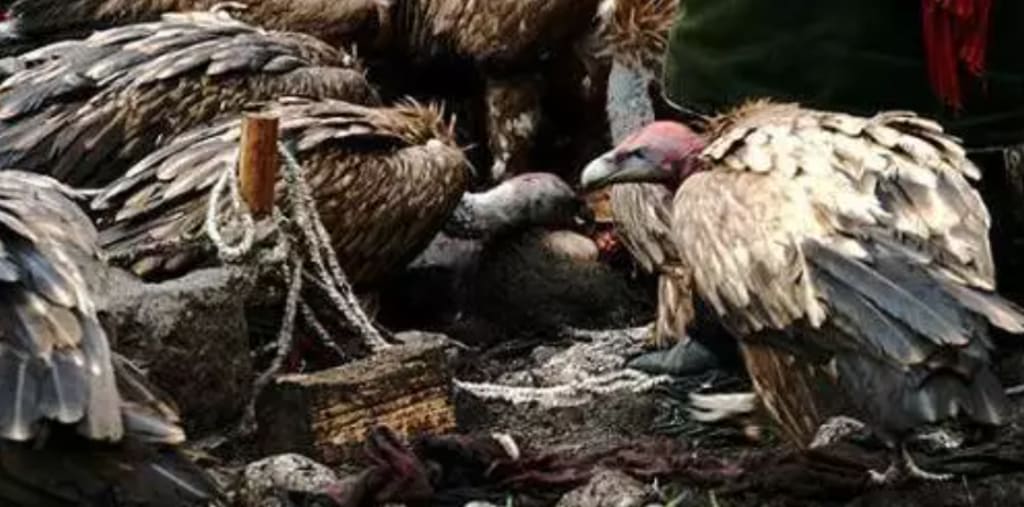
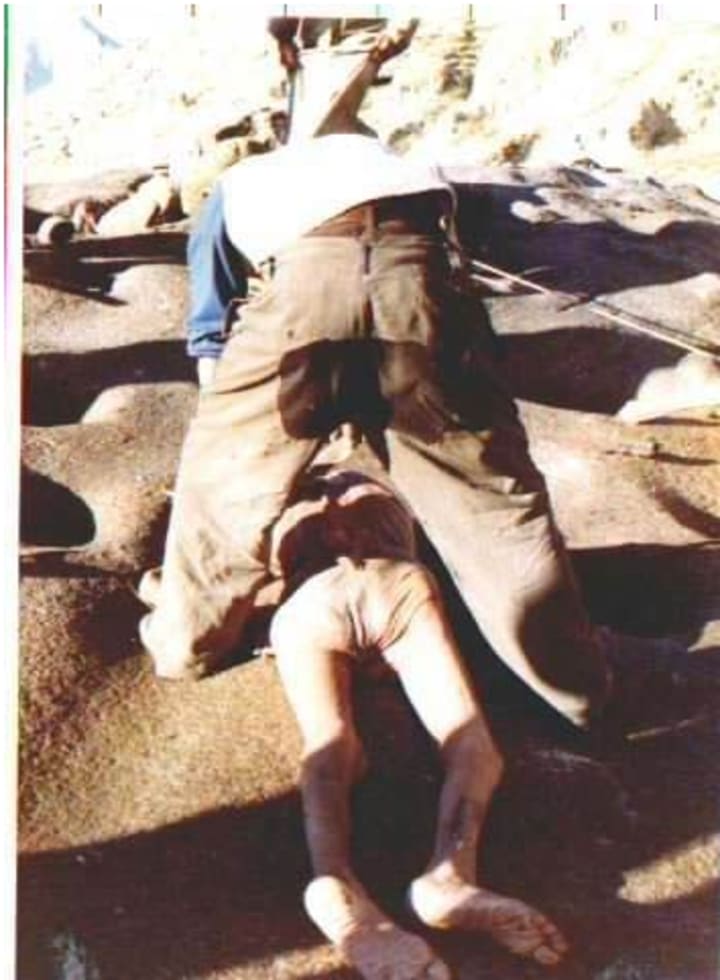
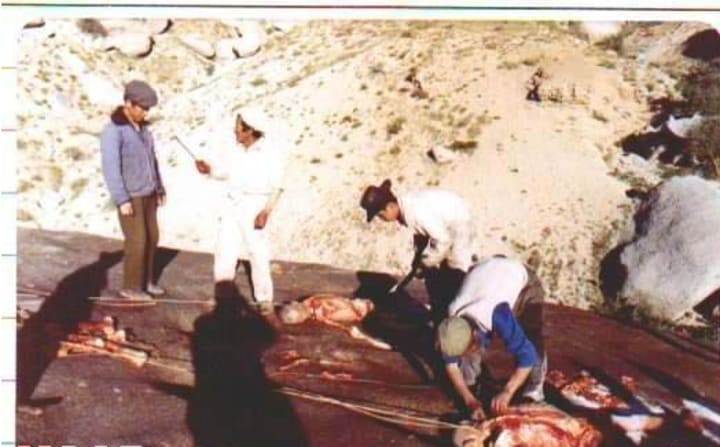
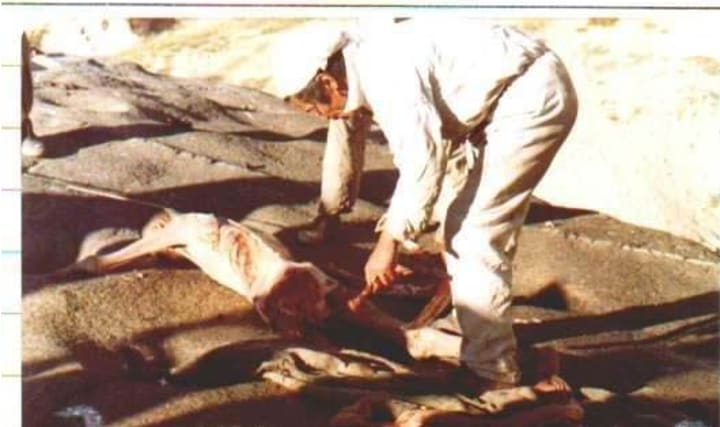
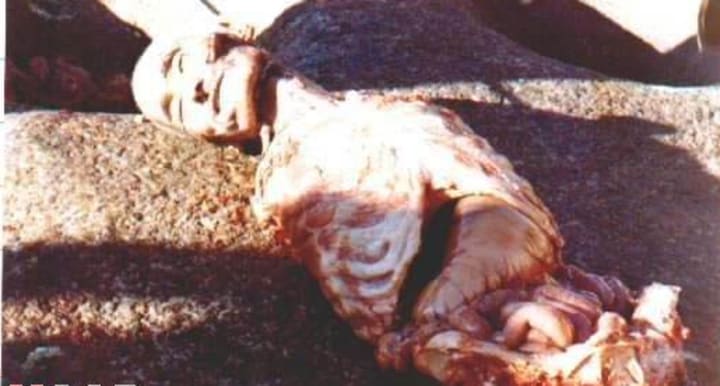
Sky burial is a funeral custom formed under certain natural conditions and social environments. "Due to the different regions where human beings originated, different natural conditions determine the different economic lives and customs of residents in different regions." Funerals, as a national custom phenomenon, are inseparable from the natural environment conditions of the nation. In the barbaric era, people dealt with corpses arbitrarily, either abandoning them in the wilderness or placing them in caves, letting them rot and be eaten by beasts. According to some documents, some scholars believe that "primitive sky burial" or "natural sky burial" once appeared in ancient Tibetan society. According to some Tibetan historical documents, the history of Tibetan sky burial customs can be traced back to before the 7th century AD. According to the "Red History": Ancient Bon religion divided the world into three parts: heaven, earth, and underground, among which the gods occupied a relatively important position. The first generation of Tubo Zamp and the six Zamps after him were all sons of gods who descended to the world along the ladder of heaven, and after completing the human affairs instructed by the gods, they returned to heaven along the ladder of heaven. This is the "Seven Kings of Tianchi" recorded in history. The theory of sky burial has been promoted as even more mysterious.
How did the "Seven Kings of Tianchi" "disappear" from the world after their death? In fact, this is not a secret. The king's wizards and guards secretly transported the king's body to the most dangerous and remote places to hide it in order to prevent people from discovering it. But it did not escape the sight of the vultures. Vultures are large birds that generally live in high and cold areas. In China, they are more common in the Qinghai-Tibet Plateau. They often soar over the mountains in the daytime in groups, two or three, or alone. They have strong eyesight. When the wizards secretly placed the king's body in a remote place deep in the mountains, perhaps because of the right time, place and people, a group of angels-vultures suddenly appeared and pecked the king's body without leaving any room. God fulfilled the wish of man, and the sacred mission of transporting the king's body back to heaven was unexpectedly completed by the vultures. From then on, the vulture became another "god" with magical power who could only bring the king's body to heaven.
But by the time of the eighth king, Zhigong Zamp, the mysterious custom of sky burial was gradually forgotten by people, and burial in the ground became familiar to people. After Zhigong Zamp was usurped, his body was put into a copper-rimmed coffin and thrown into the Yalong Zangbo River. Since Zhigong Zamp died on the spot in public, the myth of "climbing the rope of heaven and returning to heaven" is difficult to make sense. It can only be said that the rope of heaven was broken, and the future Zamp could no longer follow the path of the previous king. His son had to build a royal mausoleum to bury his father's body. But after Buddhism was introduced to Tibet, another form of sky burial was formed, that is, the "corpse feeding vulture" sky burial custom that is still popular in Tibetan areas today. The "sky burial" of the "Seven Kings of Tianchi" originated from the concept of Bon religion, while the later popular sky burial custom originated from the concept of Buddhism.
The practice of sky burial is closely related to the rise of Tibetan Buddhism and the introduction of Indian culture. Some scholars believe that the custom of sky burial in Tibet originated from the ancient Indian "forest burial" and "wild burial" according to the record in the Chinese historical book "Da Tang Xiyu Ji" about the custom of "three ceremonies for funerals and funerals, three-day wild burial, and abandoning the body in the forest to feed animals" in Tianzhu (ancient India). Rather than the local rituals passed down by the ancestors of the Tibetan people. There are also records about this in Tibetan historical books, and it is clearly stated that the custom of sky burial was brought by Tangba Sangjie, a famous Indian monk who founded the Xijie and Jueyu sects in Tibet in the late 11th and early 12th centuries. It is said that when he was preaching in Tibet, he vigorously promoted this burial custom and personally went to the sky burial platform to pray for the deceased. Since Buddhists believe that offering the body to eagles is a merit that can redeem the sins of life and is conducive to the reincarnation of the soul, they agree with this burial method, which gradually became popular in Tibetan areas and became a custom.
Although the viewpoint of "Indian origin theory" is accepted by most people, the sky burial in "Indian origin theory" is fundamentally different from "abandoned corpse burial method". "Abandoned corpse burial method" is just a custom of burying corpses in the wild, without deep religious and cultural connotations. Sky burial is a special way of Buddhist charity, in which the deceased dedicates his last thing - the dead body - to the visible vultures and invisible gods on the sky burial platform. Tibetans have always revered vultures and called them "divine birds", and hunting is strictly prohibited. In sky burial, people use vultures to achieve physical liberation and spiritual sublimation. At the same time, the result of giving useless corpses to vultures will reduce some harm to other small lives such as insects that are fed by vultures, and give them more chances to survive. Therefore, using their useless corpses to protect useful small lives is regarded as a good deed with immeasurable merits. The Tibetans specifically express the concepts of "compassion" and "emptiness" of Tibetan Buddhism in sky burial. Therefore, although sky burial originated in India, it has been integrated with Tibetan people’s own ideas and methods in Tibetan areas, becoming a funeral custom with local Tibetan characteristics.
In addition, the choice of sky burial platform is also different. The Tibetan sky burial platform is selected by the Tantric master based on wisdom ability and feng shui, while the "abandoned corpse burial method" is arbitrary and is just a way of dealing with the corpse.
About the Creator
The Evolution of Aviation Engineering From Risk to Reliability
In the earliest days of aviation, flight was less a science and more a gamble. Engineers, inventors, and pilots worked without established data, proven formulas, or standardized safety practices. Every takeoff carried uncertainty, and every landing was a test of survival. Aircraft were built using intuition, observation, and relentless trial rather than structured engineering principles. What kept aviation moving forward was not reliability, but persistence.
By Beckett Dowhan5 days ago in History
3 Real Experiments That Sound Like Horror Stories
When people imagine scientific experiments, they usually picture lab coats, clipboards, and calm professionals nodding thoughtfully at charts. What they don’t imagine is screaming, psychological collapse, or outcomes so disturbing that ethics boards later had to be invented specifically to prevent them from ever happening again.
By Enoch Sagini4 days ago in History
Autonomy Is The Real Privilege
Good morning, freedom-seekers! Today we’re gonna be looking at autonomy. A strange word, I know; one many would probably look at blankly and run away from on sight. We’re gonna figure out what it actually means, consider how it’s achieved, and decipher just how deeply most of us are tangled up in dependence without realising it.
By That ‘Freedom’ Guy6 days ago in Humans



Comments
There are no comments for this story
Be the first to respond and start the conversation.