
Photos of serfs in Tibet, China (before 1959)
This is a group of photos reflecting the miserable lives of serfs under the feudal serfdom in old Tibet. Before the new China completely abolished the serfdom in 1959, Tibet had long been in a feudal serfdom society with the integration of politics and religion, and dictatorship of monks and nobles. Its darkness and cruelty were even worse than the serfdom system in medieval Europe.
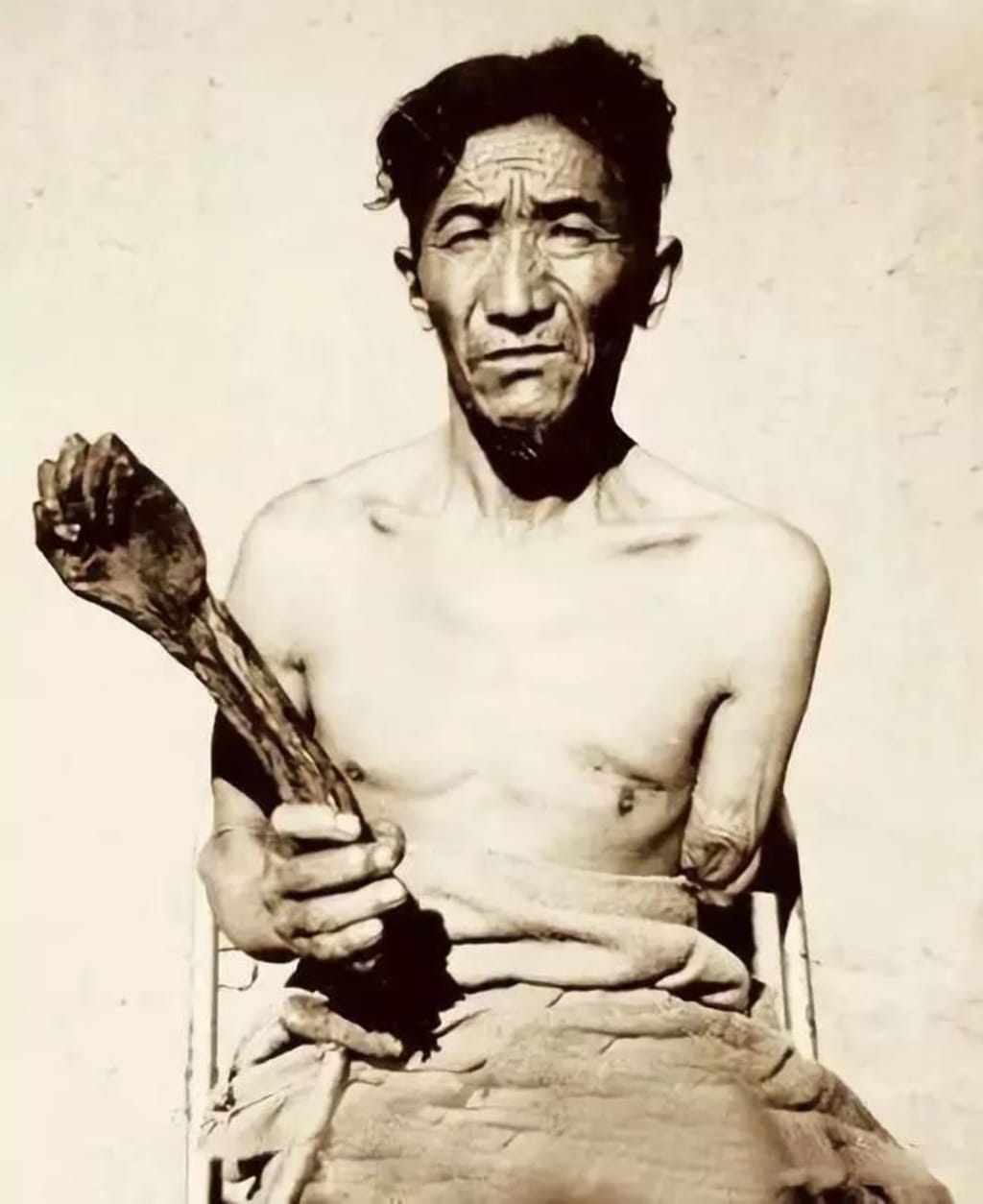
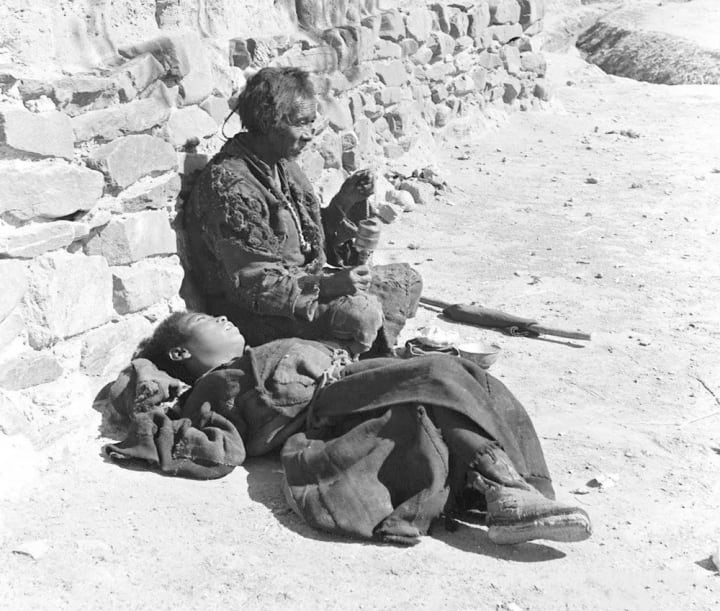
In the old Tibetan serfdom, all peasants were lifelong debt serfs, burdened with heavy taxes and corvee labor, "completely losing all human freedom, and becoming poorer every year."
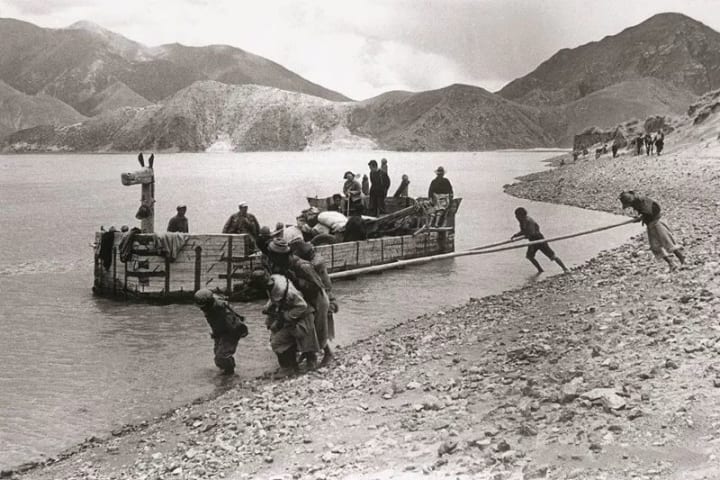
Serfdom in Tibet has a long history, starting in the 10th century and lasting until the early days of the People's Republic of China. Under this system, the "three major lords" (officials, nobles, and upper-level monks), who accounted for less than 5% of the total population in Tibet, occupied all of Tibet's arable land, grasslands, forests, and livestock, and cruelly exploited the vast number of serfs and slaves.
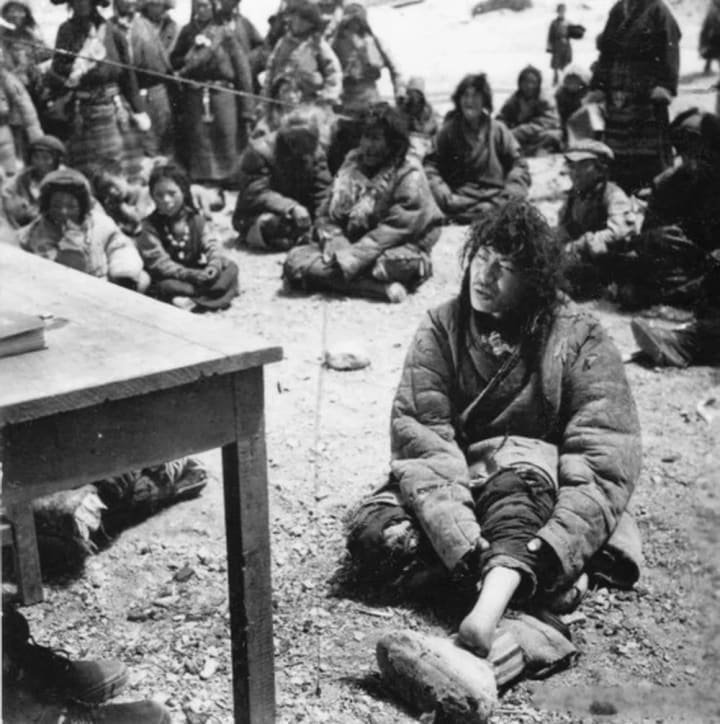
In order to maintain their brutal rule, the "three great lords" formulated the "Thirteen Codes" and "Sixteen Codes" which were used for hundreds of years. These two "Codes" stipulated that "people are divided into three classes, upper, middle and lower, and each class is divided into three levels. These three classes are determined by their bloodline, nobleness and position." Such regulations made it difficult for serfs to turn over a new leaf.
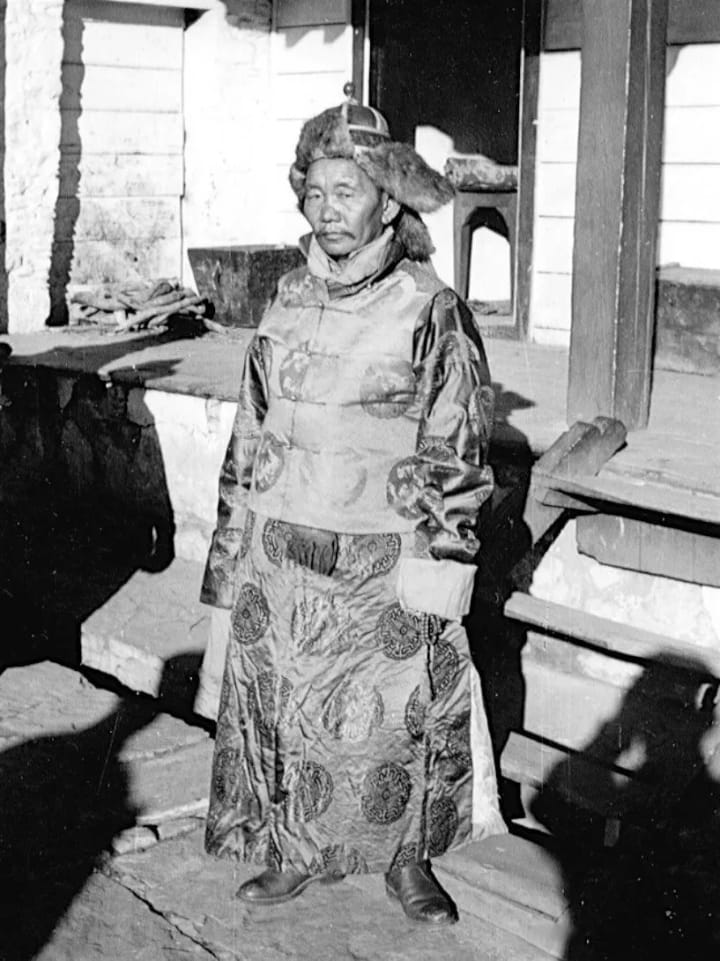
"There are beasts without owners in the mountains, and there are people without owners under the mountains." This is a true portrayal of the serfs in old Tibet. The serf owners had the power to execute the serfs, and the cruelty of the means is unimaginable to people today.
The most common form of execution at the time was to sew the serfs in a bag and "throw them into the river, waiting for them to die and sink. The bag would be above the surface of the river and would start to sink after about 5 minutes. If they were still alive, they would throw them in again. When they were dead, they would take their bodies out of the bag and dismember them. The limbs and torso would be thrown into the river and carried away with the current."
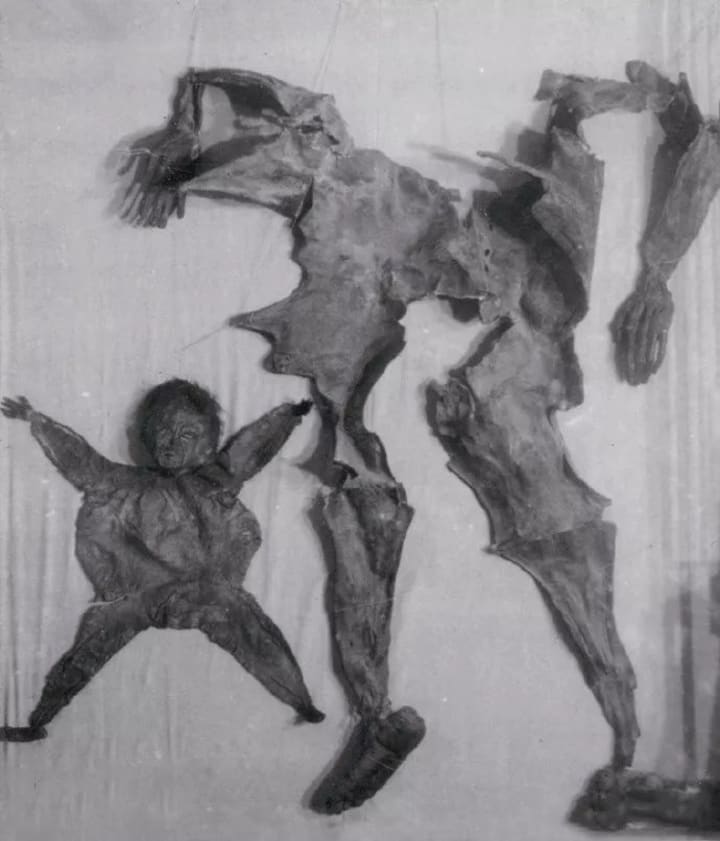
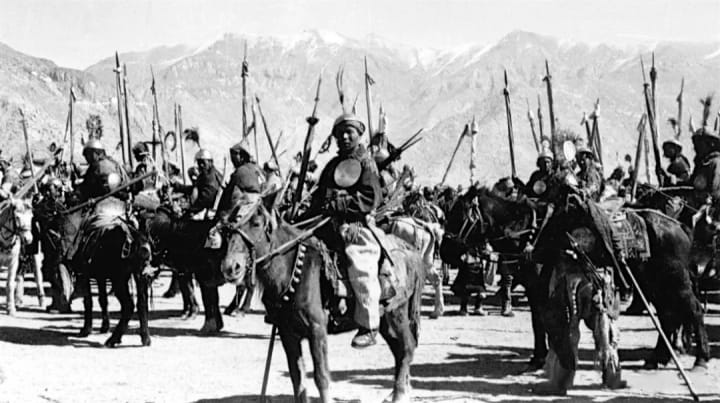
There is a folk song in old Tibet that goes, "The flail cannot be broken, because I borrowed it from someone else. I cannot die, because I am someone else's slave." According to the memories of the serfs who experienced this period of history, "It was like living in hell on earth. At that time, after working a day on the manor, we were only given one spoonful of tsampa, and sometimes even no tsampa. It was common to go hungry."
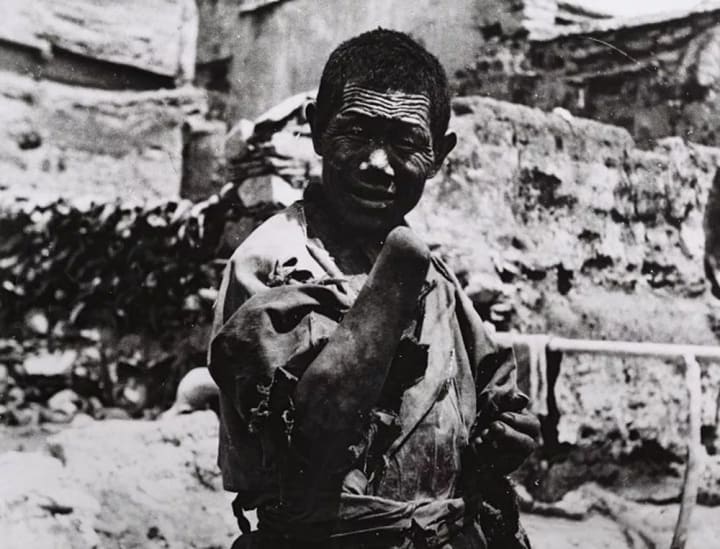
In addition to the death penalty, there were many other extremely cruel tortures, such as chopping off hands and feet, cutting off noses, digging out eyes, skinning, etc. For example, some serfs had no food and could only steal from the serf owners. If they were caught, they would suffer a miserable fate. "Every day, you can see people who were punished for coveting other people's property. They had their fingers and noses cut off, and even more were blind people who were begging for food."
As mentioned above, 5% of the Tibetans were privileged, but the 95% of serfs and slaves were divided into three levels: Chaba, Duiqiong, and Langsheng. The first two levels were serfs, and the third was slaves. "Langsheng" means "raised at home". These people had neither means of production nor personal rights. They were completely owned by the serf owners and used as domestic labor. They were the private property of the serf owners.
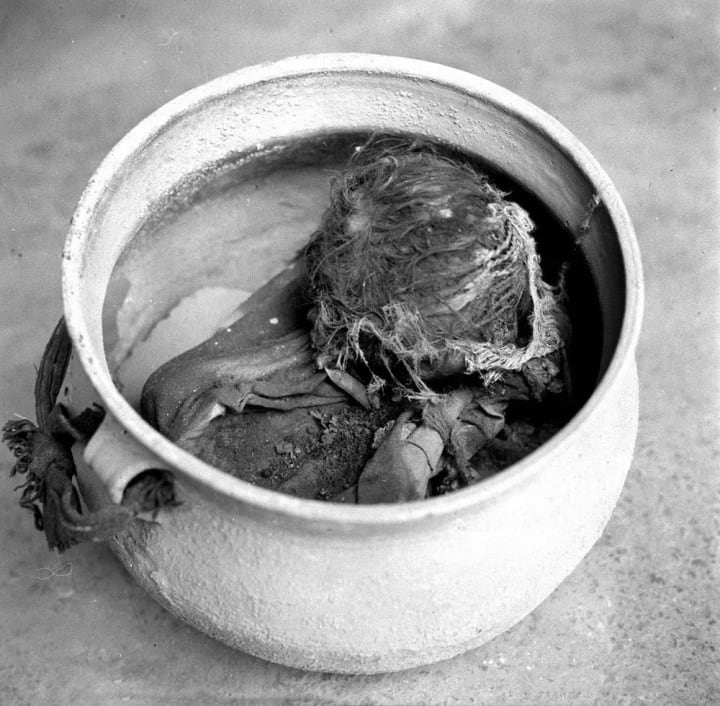
"Eating dog food, working donkey work. Human in the day, dog at night. After threshing, tsampa is all gone. The slaves sleep under the ladder." This is a true description of the miserable life of serfs in old Tibet. They were worse off than animals, and everyone was waiting for the opportunity to turn over and become masters. No one knows what the little girl in the photo has experienced. This is a heartbreaking scene.
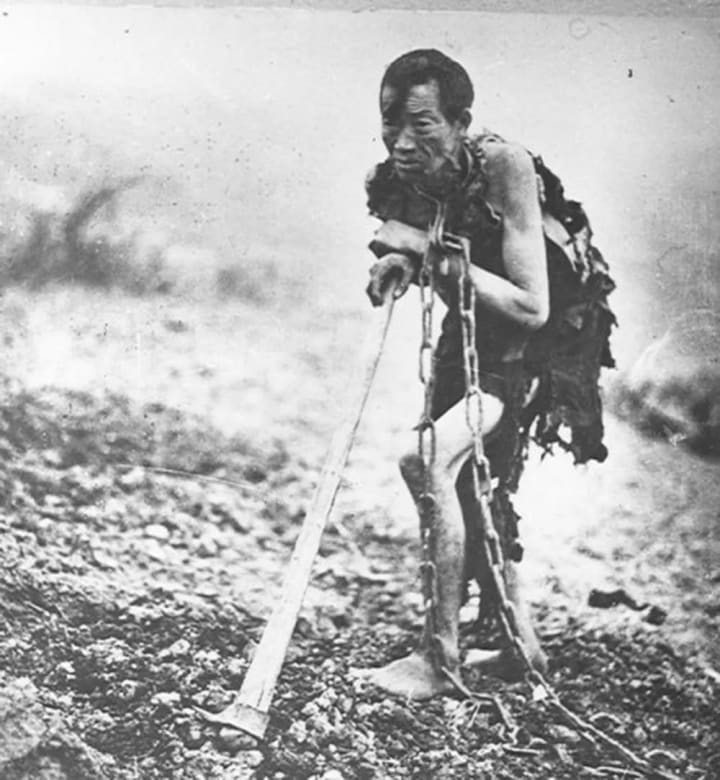
March 28, 1959 is a day that the Tibetan people will never forget. The country abolished the extremely corrupt and dark feudal serfdom system, completed a great transformation of epoch-making significance in Tibetan history, and profoundly changed the fate of the Tibetan people.
Many people are fascinated by Tibet now. It is pure and mysterious, and is even known as the "holy land" and the "last piece of pure land" on earth! But if we go back to the serfdom of Tibet, we may not be able to associate these words with it, because for serfs, every day is like a torture in hell! In old Tibet, serfs accounted for 90% of the total population. They had no personal freedom. They belonged to the serf owner class, which accounted for 5% of the total population. They were regarded as the private property of the serf owners and used for various labors. In the eyes of the serf owners, serfs were just "animals" who could talk.


Comments
There are no comments for this story
Be the first to respond and start the conversation.