

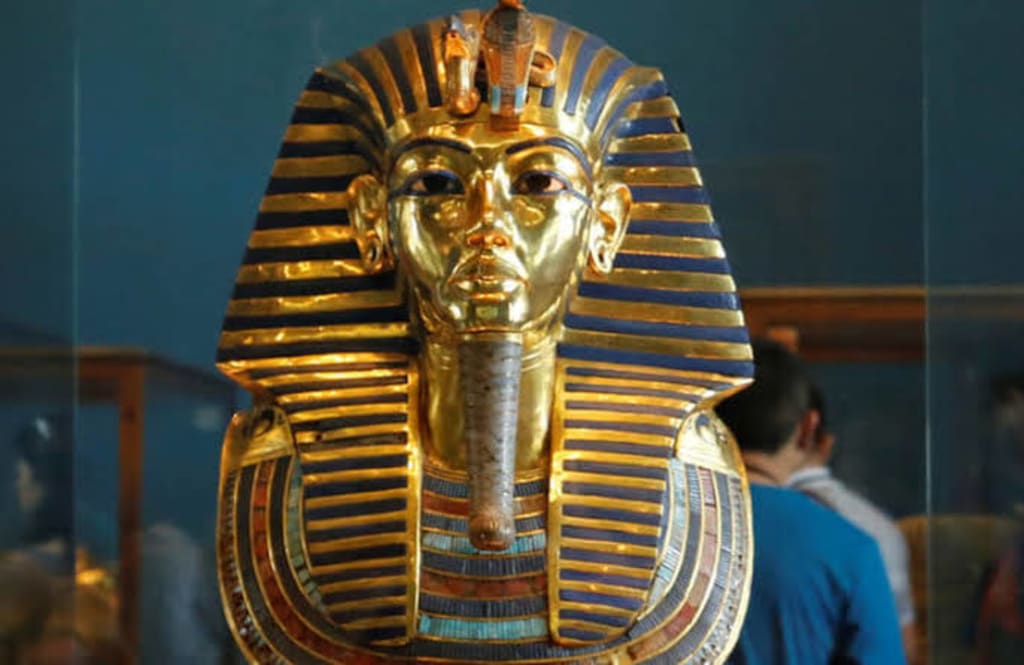
The Ancient Egyptians were a civilization that existed in the northeastern region of Africa from around 3100 BCE to 30 BCE. They were known for their advanced culture, art, architecture, and religion.
The Ancient Egyptians were ruled by pharaohs, who were considered to be divine beings. They built massive pyramids as tombs for their rulers and developed a complex system of hieroglyphic writing.
They also developed a sophisticated system of agriculture, using irrigation to farm the fertile land along the Nile River. They traded with other civilizations and were known for their wealth and luxury goods.
The Ancient Egyptians were also known for their religious beliefs, which included a pantheon of gods and goddesses. They believed in an afterlife and developed elaborate burial customs to ensure the deceased would have a comfortable journey to the next world.
Overall, the Ancient Egyptians were a highly advanced and influential civilization that left a lasting impact on the world.
The ancient pharaohs of Egypt were known for building some of the most impressive and enduring structures of the ancient world. Here are some of the most notable buildings of ancient pharaohs:
1. Pyramids: The pyramids of Giza are perhaps the most famous ancient Egyptian structures and were built by pharaohs as tombs for themselves and their consorts.
2. Temples: The ancient pharaohs built numerous temples throughout Egypt dedicated to their gods and goddesses. The most famous of these is the Temple of Karnak in Luxor.
3. Obelisks: These tall, narrow structures were often placed outside of temples and other important buildings as symbols of the pharaoh's power. The most famous obelisk is the Cleopatra's Needle in London.
4. Tombs: In addition to the pyramids, pharaohs built elaborate tombs in the Valley of the Kings, where they were buried with their possessions and treasures.
5. Palaces: Pharaohs also built palaces for themselves and their families, including the Palace of Amenhotep III in Luxor.
6. Sphinx: The Great Sphinx of Giza, a massive statue with the body of a lion and the head of a human, was built during the reign of Khafre, a pharaoh of the 4th Dynasty.
These structures not only served as monuments to the pharaoh's power and wealth but also as a testament to the incredible engineering and architectural skills of the ancient Egyptians.
The ancient pharaohs of Egypt were known for their rich and vibrant culture, which included art, literature, religion, and daily life. Here are some key aspects of the culture of ancient pharaohs:
1. Art: Ancient Egyptian art was highly stylized and often depicted gods, pharaohs, and scenes from everyday life. Some of the most famous examples of ancient Egyptian art include the bust of Nefertiti and the tomb paintings in the Valley of the Kings.
2. Literature: Ancient Egyptian literature included religious texts, such as the Book of the Dead, as well as poetry, stories, and historical accounts. The most famous work of ancient Egyptian literature is the Epic of Gilgamesh.
3. Religion: The ancient Egyptians were polytheistic, believing in a pantheon of gods and goddesses who controlled various aspects of the natural world. The pharaohs were considered to be divine beings themselves and served as intermediaries between the gods and the people.
4. Daily Life: Ancient Egyptian daily life was centered around agriculture, with most people working as farmers. They also engaged in trade and commerce, using the Nile River as a transportation route. The ancient Egyptians were known for their luxury goods, such as fine textiles, jewelry, and perfumes.
5. Architecture: Ancient Egyptian architecture was highly influential and included massive structures such as pyramids, temples, and obelisks. These buildings were often decorated with intricate carvings and paintings, depicting scenes from Egyptian mythology and everyday life.
Overall, the culture of ancient pharaohs was diverse and rich, reflecting the complex society that they ruled over.
The ancient pharaohs of Egypt were known for their advanced technology, which allowed them to build impressive structures such as pyramids, temples, and tombs. Here are some key examples of the technology of ancient pharaohs:
1. Architecture: Ancient Egyptians were skilled in the art of architecture and engineering, using complex systems of mathematics to design and build their structures. They were able to create massive structures such as the pyramids of Giza, which are still standing today.
2. Irrigation: The ancient Egyptians developed advanced irrigation systems that allowed them to farm the fertile land along the Nile River. They used canals and dikes to control the flow of water and irrigate their fields.
3. Medicine: Ancient Egyptian medicine was highly advanced for its time, with doctors using a variety of herbs and other natural remedies to treat illnesses and injuries. They also performed surgeries, such as trepanation, in which a hole was drilled into the skull to relieve pressure on the brain.
4. Writing: The ancient Egyptians developed one of the earliest forms of writing, known as hieroglyphics. This system of writing used pictures and symbols to represent words and ideas and was used for religious and administrative purposes.
5. Metalworking: Ancient Egyptians were skilled in the art of metalworking, using copper, bronze, and iron to create tools, weapons, and jewelry. They also developed a process for making glass, which they used to create decorative objects and jewelry.
Overall, the technology of ancient pharaohs was highly advanced for its time, allowing them to create lasting monuments and structures that continue to inspire awe and admiration today.
The ancient pharaohs of Egypt built the pyramids using a combination of advanced engineering and skilled labor. Here are some key steps involved in the construction of the pyramids:
1. Planning: The construction of each pyramid began with careful planning and design. Architects and engineers would determine the size and shape of the pyramid, as well as the location and orientation.
2. Quarrying: The ancient Egyptians quarried the limestone and granite blocks used to build the pyramids from nearby mountains and quarries. They used simple tools such as copper chisels and wooden mallets to shape the blocks.
3. Transporting: The blocks were transported from the quarries to the construction site using sledges and rollers. Workers would wet the sand in front of the sledges to reduce friction and make it easier to move the blocks.
4. Building the foundation: The pyramids were built on a foundation of bedrock, which was leveled and smoothed to create a flat surface. The first layer of blocks was then laid on top of the foundation, forming the base of the pyramid.
5. Building the core: The core of the pyramid was made up of smaller blocks and rubble, which were packed tightly together to create a solid structure. This core was then covered with the larger limestone blocks that formed the outer surface of the pyramid.
6. Finishing the surface: The limestone blocks were carefully shaped and polished to create a smooth surface. They were then fitted together with great precision, using a system of interlocking joints to ensure stability.
7. Adding the capstone: The final step in the construction of the pyramid was the addition of the capstone, which was often made of gold or other precious materials. This was placed on top of the pyramid to complete the structure.
Overall, the construction of the pyramids was a massive undertaking that required the labor of thousands of workers and the use of advanced engineering techniques. It remains one of the most impressive and enduring achievements of the ancient world.
About the Creator
Marwan Mohamed
A great writer is someone who has the ability to convey their thoughts and ideas through words in a compelling and engaging way.
Keep reading
More stories from Marwan Mohamed and writers in History and other communities.
Antarctica Map
Antarctica is the coldest, driest, and windiest continent on Earth. It is located at the southernmost part of the planet, surrounding the South Pole. Because of its extreme weather and thick ice cover, Antarctica is very different from other continents. An Antarctica map helps us understand the shape, location, and important features of this frozen land.
By Farhan Sayedabout 7 hours ago in History
If America Walks Away from NATO, the World Will Feel the Shock
If America Walks Away from NATO, the World Will Feel the Shock For more than seventy years, NATO has stood as a symbol of collective security and shared responsibility. It was never a perfect alliance, but it worked because it was built on a simple idea: when nations stand together, wars are less likely to happen. Today, however, that foundation is being shaken—not by foreign enemies, but by growing voices inside the United States questioning whether NATO is still worth it.
By Wings of Time 5 days ago in History




Comments
There are no comments for this story
Be the first to respond and start the conversation.