
Papua New Guinea, Milne Bay province
Learn more about this unique culture and traditions
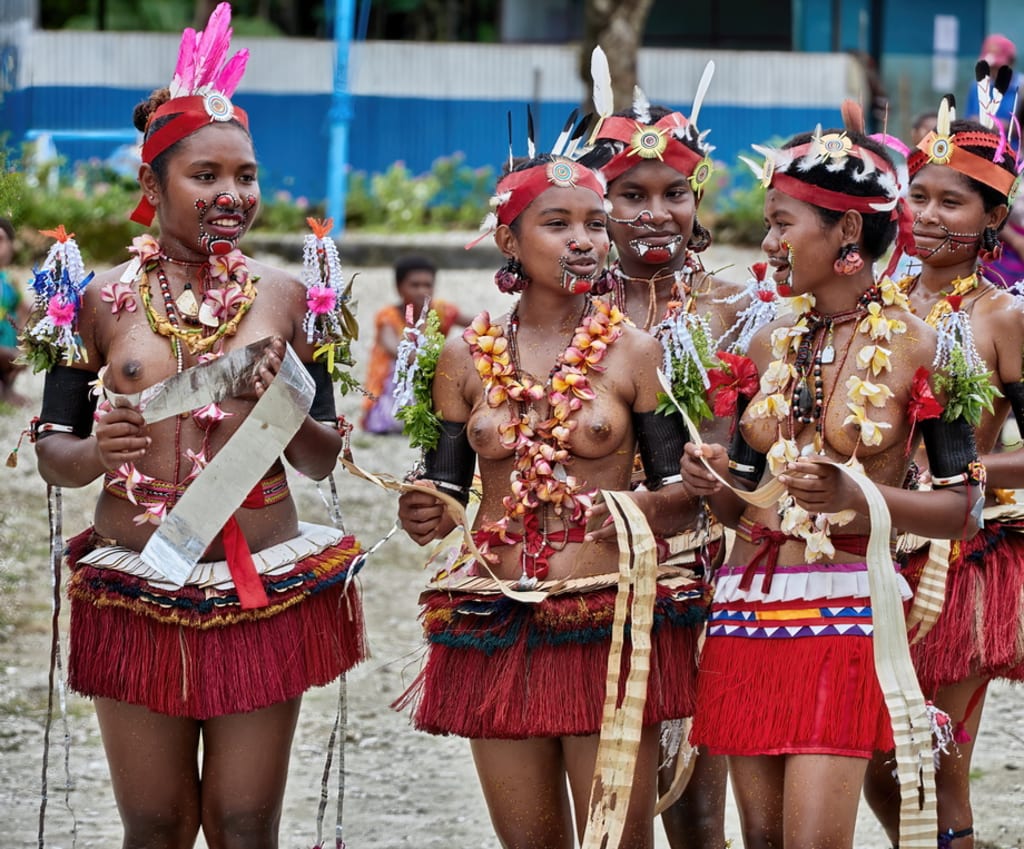
Milne Bay Province, located on the eastern tip of Papua New Guinea, is a place of vibrant culture and rich traditions. This province comprises over 160 islands, and its people are known for their deep connection to the sea, a legacy of ancient seafarers and navigators who inhabited the region thousands of years ago. The culture of Milne Bay Province is as diverse as its many islands, with each group contributing unique traditions, dances, and artistic expressions that remain central to their identity.
Cultural Diversity and Language
Milne Bay is one of the most culturally diverse areas of Papua New Guinea, with its people speaking over 40 different languages. These languages are not only a form of communication but also hold deep cultural significance, with stories, chants, and histories preserved in their native tongues. The province’s linguistic diversity reflects its history as a melting pot of different tribes and clans, each with distinct customs and beliefs. Villages are often isolated, leading to unique variations in cultural practices even within the same island group.
Traditional Values and Social Structure
The society in Milne Bay is traditionally matrilineal, meaning descent and inheritance are passed down through the mother’s line. This system plays a significant role in shaping relationships, family roles, and social obligations. Clan loyalty and kinship are central to community life, with extended families and clans working together to support each other in times of need. Traditional values of respect, community, and cooperation continue to thrive, blending harmoniously with the challenges and changes brought by modern life.
Traditional Art and Canoe Crafting
One of the most celebrated aspects of Milne Bay culture is its intricate canoe craftsmanship, a skill passed down through generations. These canoes, known as “sailaus” or “lagatois,” are not only means of transport but are also symbols of cultural heritage and skill. Traditional canoes are often elaborately decorated with designs that reflect clan lineage, spiritual beliefs, and personal identity. The canoes play a vital role in the annual Kenu and Kundu Festival, a popular event that showcases these traditional watercraft in vibrant races and parades, celebrating the seafaring culture of Milne Bay.
Beyond canoe building, traditional art forms are prevalent, including wood carvings, shell jewelry, and tapa cloth creations. Tapa cloth, made from tree bark, is decorated with natural dyes and often used in ceremonial attire. The designs on tapa cloths and carvings are deeply symbolic, depicting aspects of the natural world, ancestors, and spirits.
Traditional Dances of Milne Bay
Dance is a significant part of the cultural identity in Milne Bay. These dances, known locally as “singsings,” are performed on special occasions, including weddings, community gatherings, and festivals. The dances are accompanied by chants, drums, and other traditional instruments, creating a rhythmic and hypnotic atmosphere. Each island group has its unique style of singsing, reflecting their own customs and values.
For example, in the Trobriand Islands, known as the “Islands of Love,” dances often revolve around themes of courtship and community bonding. These dances are performed with elaborate costumes made from natural materials like feathers, shells, and grasses. The movements are fluid and symbolic, telling stories of love, life, and the relationship with nature.
In contrast, the Mailu people from the mainland and nearby islands have dances that incorporate stronger, warrior-like movements. These performances symbolize strength, bravery, and connection to ancestral spirits, often to honor ancestors or celebrate significant achievements. The dancers wear masks and body paint, adding a sense of mystique and reverence to the performance.
The Kenu and Kundu Festival
One of the most celebrated cultural events in Milne Bay is the Kenu and Kundu Festival. Held annually in Alotau, the province’s capital, this festival brings together communities from across the islands to showcase their heritage through canoe races, traditional dances, and cultural displays. The kundu drum, a traditional instrument carved from wood and decorated with intricate patterns, is a central part of the festival. Its deep, resonant sound accompanies the dances, connecting the performers and spectators to their cultural roots.
The festival is not just a celebration but also a reminder of the resilience of Milne Bay’s people and their dedication to preserving their cultural identity. It has become a popular attraction for tourists, providing them with a unique insight into the diverse and dynamic traditions of the province.
Conclusion
The culture of Milne Bay Province is a vibrant tapestry woven from ancient traditions, diverse languages, and a profound connection to the sea. From the intricate art of canoe building to the hypnotic rhythms of traditional dances, each aspect of Milne Bay’s culture is a testament to the people’s rich heritage and enduring values. The province’s festivals and ceremonies continue to play an essential role in preserving these customs, passing them down to future generations and sharing them with the world. In Milne Bay, tradition is not just history; it is a living, breathing part of daily life, celebrated and cherished in every community.
About the Creator
Grace Guise
i love creating content, i love writing and passionate about change, the world, the earth, the people and many things about life that is just magnificent. i love being alive, i love to breath the air and natural taste of water.
Keep reading
More stories from Grace Guise and writers in History and other communities.
Papua New Guinea’s Central Province: A Rich Tapestry of Culture and Customs
Papua New Guinea’s Central Province, located along the southeastern coast, is known for its breathtaking landscapes, from rugged mountains to pristine beaches. This province is equally fascinating for its people, who are steeped in traditional customs and a vibrant cultural heritage. The diversity within Central Province, with its many different communities and languages, has fostered unique traditions that continue to thrive despite modernization. This article explores some of the notable customs and cultural practices that define the people of Central Province.
By Grace Guiseabout a year ago in History
The ‘Lone Warrior’ of Freedom Who Declared an Independent Pashtun State
The history of the subcontinent’s struggle against colonial rule is filled with famous leaders, mass movements, and political negotiations. Yet hidden within these narratives are figures whose stories remain lesser known but deeply fascinating. One such personality was Fakir of Ipi, a tribal leader from the rugged mountains of Waziristan who spent decades resisting British authority and later opposed the creation of Pakistan. Known to many as the “lone warrior of freedom,” Fakir of Ipi became a symbol of tribal resistance and a controversial advocate for an independent Pashtun homeland.
By Irshad Abbasi about 20 hours ago in History


Comments
There are no comments for this story
Be the first to respond and start the conversation.