
Outsiders Who Took Over Southern Italy—and Wrote Themselves In
From Hired Hands to Power Brokers: When Mercenaries Stopped Taking Orders

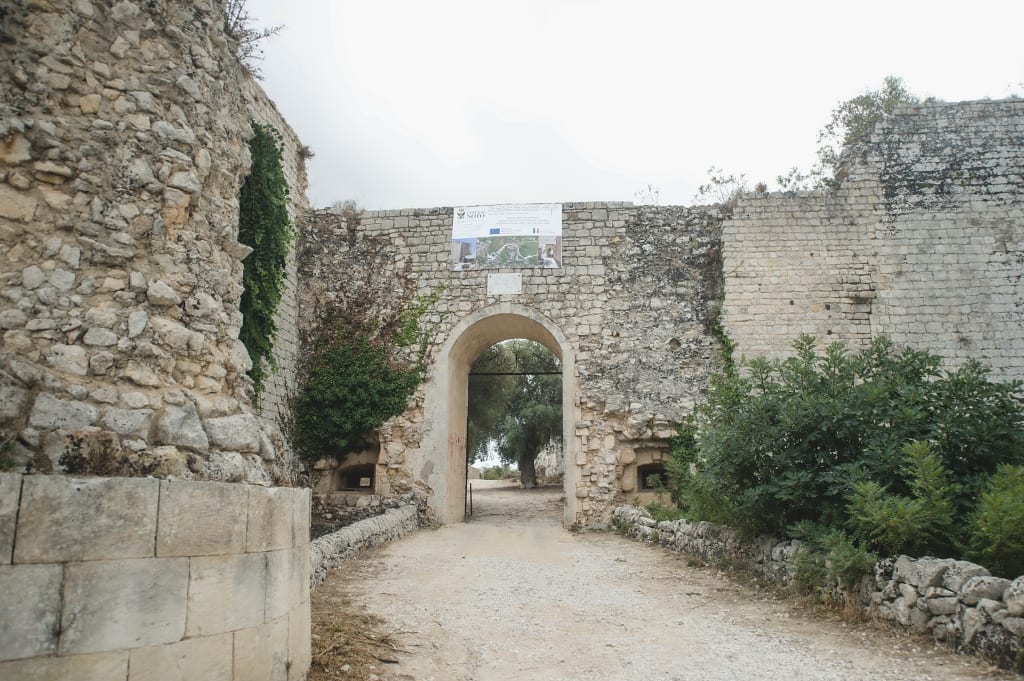
By the early 800s, southern Italy was a mess.
You had Lombard princes in one corner, Byzantine governors in another. Nobody was strong enough to call the shots, but nobody wanted to back down either. Power shifted all the time. Cities flipped sides. Loyalty was just another thing you could bargain with. The only thing holding the place together was plain exhaustion.
That’s when the Normans showed up.
They didn’t land as invaders. At first, these guys were just looking for a break. Back in Normandy, inheritance laws meant second and third sons got left with nothing but swords and ambition. Southern Italy looked like the perfect place—disorganized, rich, and full of opportunities.
For a while, that was enough.
From Hired Hands to Power Brokers
The Normans sold their fighting skills to anyone with gold—Lombards, Byzantines, local warlords, whoever needed muscle. They got to know the land, the politics, where the cracks were. Eventually, they caught on to something pretty obvious.
They fought the battles.
Other people kept the power.
The sons of Tancred of Hauteville—William, Drogo, Robert, and Roger—weren’t dreamers. They were realists. They saw that, in southern Italy, power belonged to whoever could actually hold it.
In 1053, Norman troops crushed Pope Leo IX’s army at Civitate. It was a disaster for Rome, but it changed things: the Normans weren’t just mercenaries anymore.
Soon after, the Pope himself made it official. The Normans got the titles for Apulia and Calabria.
Suddenly, the power everyone once tried to block became the law.
Sicily Wasn’t Waiting to Be Saved
When the Normans set their sights on Sicily, the island had already been part of the Islamic world for over 200 years. Since 831, Arab rulers ran the show. Sicily was plugged into Mediterranean trade, and its fields and cities had been transformed.
Sicily wasn’t falling apart.
It was just split.
Infighting made the island easy pickings. The Normans took their time and played those divisions.
In 1061, they crossed over. Messina fell first. But this wasn’t a quick conquest—it dragged on for decades.
Palermo fell in 1072.
Syracuse held out until 1080.
The last Arab city didn’t fall until 1091.
This wasn’t some epic adventure. It was a slow, methodical takeover.
Conquest on the Ground
The Normans didn’t wipe the slate clean. They ruled over Muslims, Christians, Jews—and for a while, let that mix keep running.
Arabic stayed in the court. Muslim artisans built Christian churches. Byzantine art styles kept going, just under new bosses. People call it “cultural synthesis.”
That term smooths over a lot.
Tolerance stuck around because it worked. The minute it didn’t, it faded. Over time, Muslim communities shrank, got pushed out, or just disappeared.
What’s left is a place shaped by conquest, but remembered as if everyone got along.
What We See—And What’s Missing
Walk around Sicily now and you can’t miss the Norman stamp. Cathedrals, castles, stone carvings—they’re everywhere. The Normans own the story.
What’s harder to spot are the traces of what came before.
Arab Palermo once rivaled Cairo. Now, you catch glimpses in street grids, farming techniques, the odd word—nothing obvious, barely marked.
People remember the builders.
They forget those who got built over.
So, Who Were the Normans?
They were smart. They adapted. They built a state that mattered in the medieval Mediterranean.
But they also came from somewhere else, grabbed power with swords, and rewrote the story to suit themselves.
Both are true.
It’s not about calling the Normans heroes or villains. That’s just too simple. The real question is why their version of Sicily is the one we remember, while the rest faded into the background.
Southern Italy didn’t become Norman because they were meant to rule. It happened because the south was already broken apart, and, once a conquest works, it always finds a way to look like fate.
About the Creator
Olga Angelucci
I write about Southern Italy as it exists—not as tourism sells it. Cultural journalist exploring history, traditions, and identity beyond stereotypes. Real places, dying dialects, living rituals. The South that refuses to perform.
Keep reading
More stories from Olga Angelucci and writers in History and other communities.
Sicily Didn’t Fall Because of Love
Syracuse, early ninth century. Euphemius lingered by the water, probably longer than was wise. The harbor felt hollow, almost staged—too quiet, like the world was holding its breath. Even the smallest sounds—waves slapping wood, a foot scuffing stone, someone clearing their throat—bounced around, too loud. The soldiers behind him shifted and fidgeted, but nobody wanted to break the silence.
By Olga Angelucciabout 5 hours ago in History
The Last Dragon of Ashfall
Long before maps dared to name the mountains, a dragon slept beneath them. The people of Ashfall believed the peak was cursed. Smoke curled from its crown even in winter, and the ground trembled like a breathing chest. Shepherds swore they heard wings scraping stone at night. No one climbed the mountain twice.
By Talha khan5 days ago in History
The Amber Room: History, Glory, and the Greatest Lost Treasure of Europe
Origins of the Amber Room The story of the Amber Room begins in Prussia (modern-day Germany) in the early 1700s. The room was commissioned in 1701 by King Frederick I of Prussia as part of a grand plan to decorate his royal palace in Berlin. The design was entrusted to the court architect Andreas Schlüter, while the intricate amber craftsmanship was executed by master amber artisans Gottfried Wolfram, Ernst Schacht, and Gottfried Turau.
By Say the truth 7 days ago in History




Comments
There are no comments for this story
Be the first to respond and start the conversation.