
Orpheus: The Poet Who Defied Death A Tale of Love, Loss, and the Power of Music
A Tale of Love, Loss, and the Power of Music
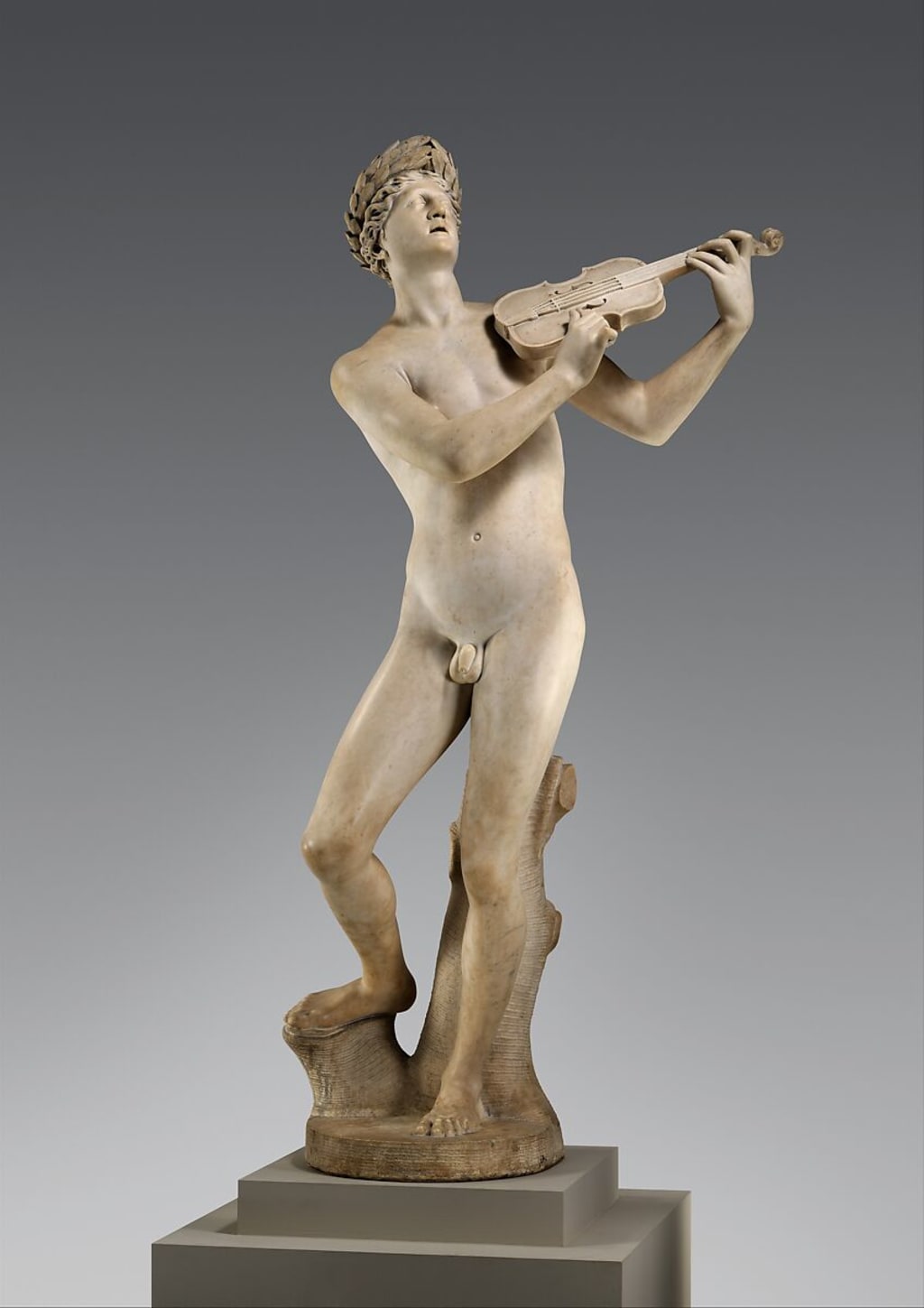
Orpheus: The Poet Who Defied Death
A Tale of Love, Loss, and the Power of Music
The Birth and Gift of Orpheus
Orpheus, the son of the Thracian king Oeagrus and the muse Calliope, was destined for greatness. From birth, he was gifted with an extraordinary talent for music, said to rival even the melodies of the gods. His lyre, given to him by Apollo, produced sounds so enchanting that animals, trees, and even stones would move to his rhythm. His songs could soothe the fiercest beasts and bring harmony to the wildest landscapes.
Orpheus and Eurydice: A Love Destined for Tragedy
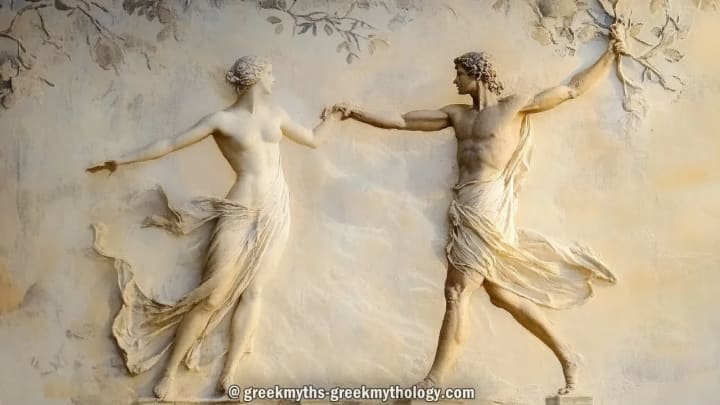
Among those captivated by Orpheus’ music was Eurydice, a beautiful nymph. Their love was pure and deep, and they soon married. However, their happiness was short-lived. One day, while wandering through a meadow, Eurydice was bitten by a venomous snake. The poison coursed through her veins, and she died instantly. Orpheus, devastated, refused to accept her fate. He resolved to journey to the Underworld and bring her back.
The Descent into the Underworld
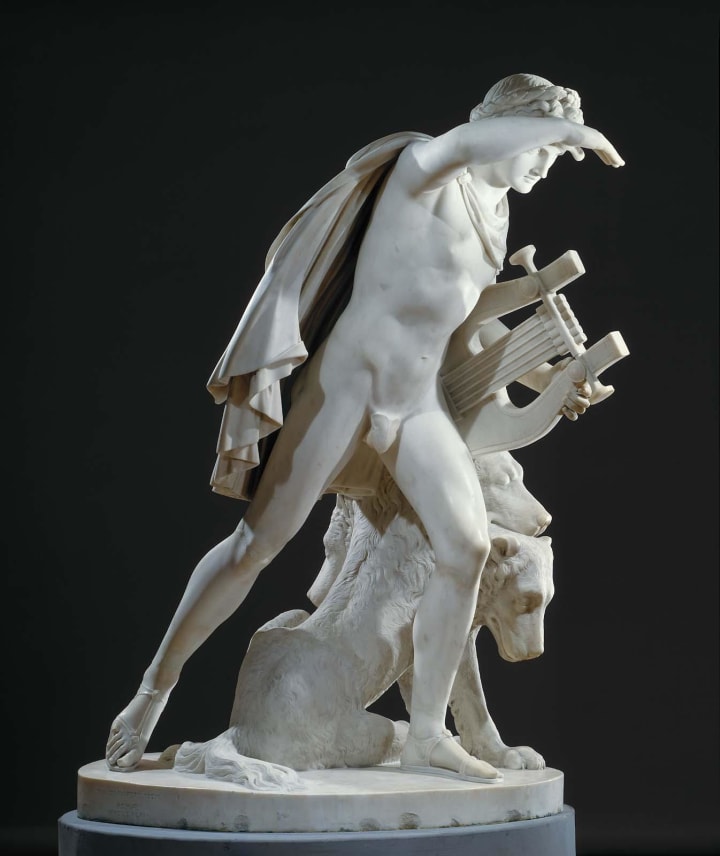
Armed with his lyre and unwavering determination, Orpheus descended into the realm of Hades. The Underworld was a place of despair, where souls wandered in eternal gloom. As he approached the gates, he encountered Cerberus, the three-headed guardian of the dead. Rather than fight, Orpheus played his lyre, and the beast, enchanted by the melody, allowed him to pass.
Further into the depths, Orpheus encountered Charon, the ferryman of the River Styx. Charon, who only transported the dead, initially refused to carry Orpheus across. But as the haunting notes of Orpheus’ lyre filled the air, Charon relented, allowing him passage.
The Plea to Hades and Persephone
At last, Orpheus stood before Hades and Persephone, rulers of the Underworld. He sang of his love for Eurydice, his sorrow, and his desperate plea to bring her back. His music was so moving that even the cold-hearted Hades was touched. The spirits of the dead wept, and Persephone herself was overcome with emotion.
Hades agreed to release Eurydice, but under one condition: Orpheus must not look back at her until they had both reached the surface. If he did, she would be lost forever.
The Fateful Ascent
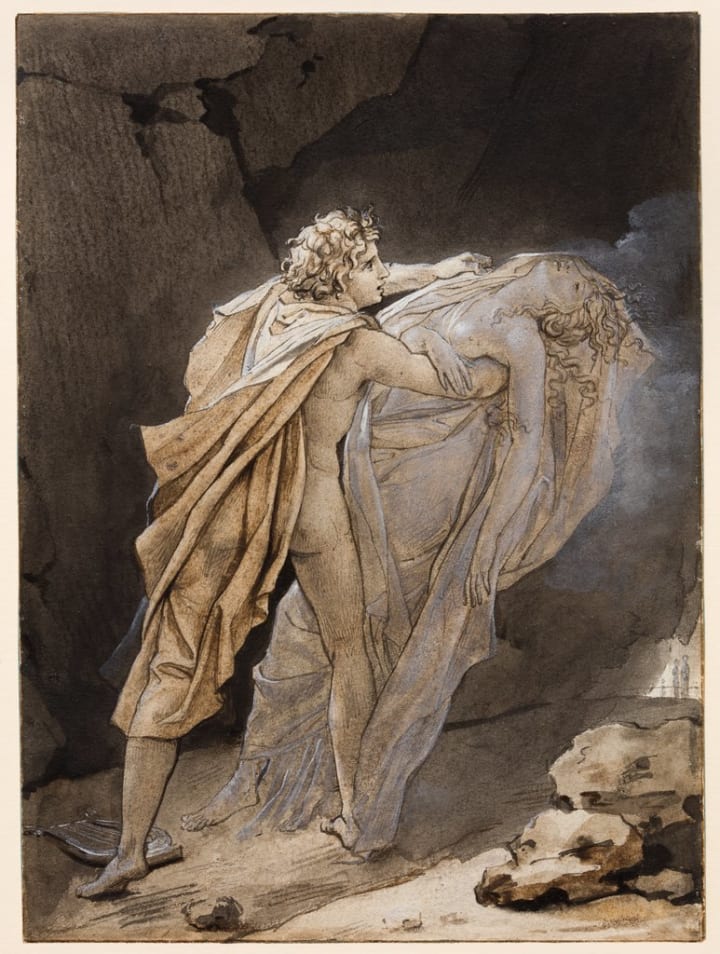
Orpheus led Eurydice through the dark tunnels of the Underworld, his heart pounding with anticipation. He could hear her footsteps behind him, but doubt gnawed at his soul. Was she truly there? Had Hades deceived him? As they neared the exit, unable to resist, Orpheus turned to see Eurydice. In that instant, she was pulled back into the shadows, her form fading into the abyss. A final whisper of his name echoed through the cavern before she was gone forever.
The Mourning of Orpheus
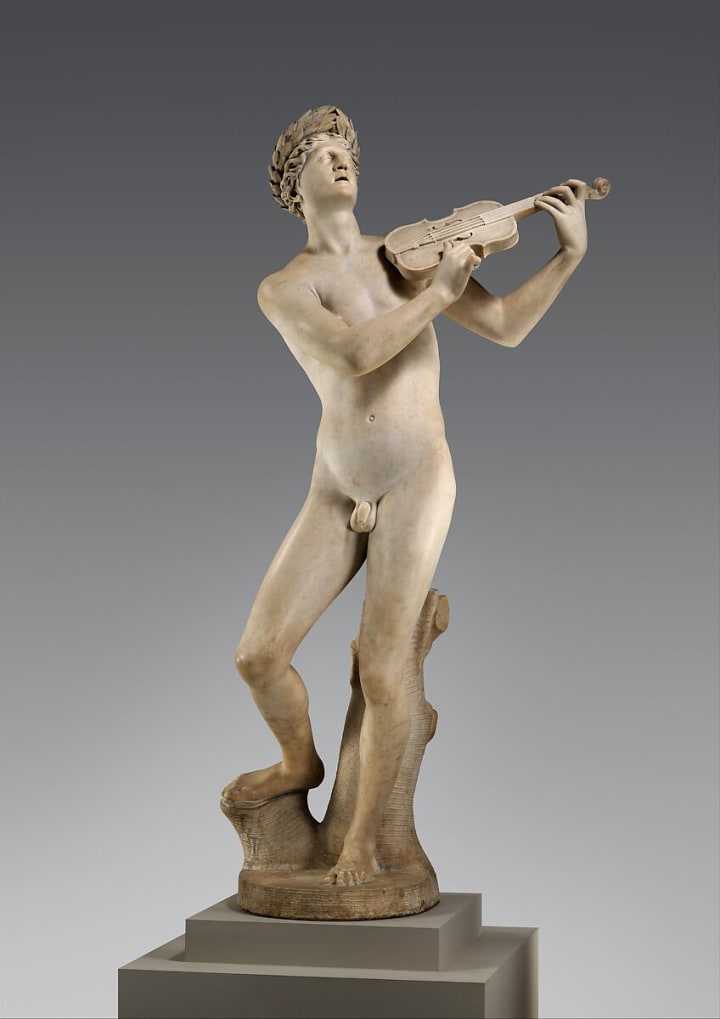
Orpheus was inconsolable. He wandered the earth, singing songs of sorrow that made even the gods weep. He rejected all companionship, refusing to love again. His grief was so profound that he shunned the advances of women, including the Maenads, followers of Dionysus.
The Tragic End of Orpheus
Angered by his rejection, the Maenads attacked Orpheus in a frenzied rage. They tore him apart, scattering his remains across the land. His head and lyre, still singing, floated down the river to the island of Lesbos, where the muses gathered them and placed his lyre among the stars.
The Legacy of Orpheus
Orpheus’ story is one of love, loss, and the power of art. His music transcended life and death, and his legend endured through the ages. He became a symbol of artistic devotion, inspiring poets, musicians, and philosophers for centuries.
About the Creator
Elizabeth I of England: Strategic Ambiguity
Elizabeth I ruled in one of the most dangerous political environments in European history—and survived. Surrounded by religious conflict, foreign threats, and internal conspiracy, she governed not through brute force or rigid ideology, but through something far subtler: strategic ambiguity. Where others rushed toward certainty, Elizabeth mastered delay. Where others declared, she implied. Her power lay not in decisive answers, but in carefully preserved options.
By Fred Bradford6 days ago in History
Diamonds Around the World: The Countries That Live and Breathe Baseball
There's something almost mystical about the crack of a bat connecting with a fastball. In certain corners of the globe, that sound carries the weight of history, identity, and dreams passed down through generations. While soccer may dominate the world's sporting consciousness, baseball has carved out its own sacred territories—places where the sport transcends mere entertainment and becomes woven into the very fabric of culture.
By Gianni Bertoniabout 19 hours ago in History



Comments
There are no comments for this story
Be the first to respond and start the conversation.