
Metro 2: The Forbidden Underground System of Moscow
Metro 2: The Forbidden Underground System of Moscow

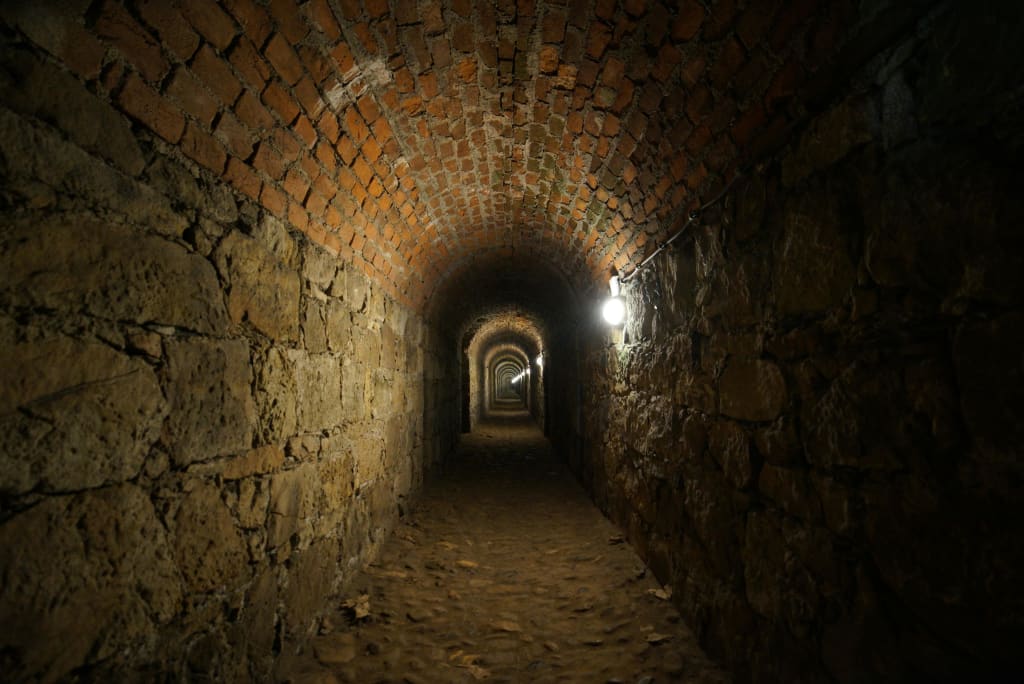
Beneath the bustling streets of Moscow lies a network shrouded in secrecy, intrigue, and speculation—Metro 2. Allegedly constructed during the Cold War era, this clandestine subway system is rumored to serve as an emergency escape route, a military transport system, and a hidden hub of government operations. Despite its existence being neither confirmed nor denied by the Russian government, Metro 2 has captured the imagination of historians, urban explorers, and conspiracy theorists alike. Its forbidden nature makes it one of the most enigmatic underground mysteries in the world.
What is Metro 2?
Metro 2, also known as "D-6," is rumored to be a parallel metro system built under Moscow. According to accounts, it was commissioned by Joseph Stalin during the height of Cold War tensions to ensure the survival of key government officials and military personnel in the event of a nuclear attack. Unlike the publicly accessible Moscow Metro, Metro 2 is said to operate covertly, connecting critical government facilities, bunkers, and military installations.
The alleged system is believed to consist of:
- Underground Bunkers: Secure locations for government officials, including a bunker beneath the Kremlin.
- Secret Stations: Hidden stops near government buildings such as the Ministry of Defense and the Federal Security Service (FSB) headquarters.
- Escape Routes: Tunnels leading to the outskirts of Moscow, providing a means of evacuation during a crisis.
- Military and Strategic Use: A network for transporting personnel and equipment without being exposed to the public.
Historical Context
The origins of Metro 2 are tied to the Soviet Union’s obsession with secrecy and preparedness during the Cold War. Stalin’s paranoia about a potential nuclear attack led to the development of vast underground infrastructures. The existence of deep-level bunkers and secure communication tunnels in Moscow has been documented, lending some credibility to the Metro 2 legend.
Documents declassified after the fall of the Soviet Union hinted at the construction of underground facilities, including a project known as "D-6," which some believe to be the codename for Metro 2. Despite these hints, the Russian government has maintained a tight-lipped stance, neither confirming nor denying the network's existence.
Why is Metro 2 Forbidden?
Several factors contribute to Metro 2’s forbidden status, making it inaccessible to the public and researchers alike:
- National Security: If Metro 2 exists, it likely serves as a critical component of Russia’s defense infrastructure. Allowing public access could compromise its operational secrecy and jeopardize national security.
- Strategic Importance: The tunnels and facilities within Metro 2 are thought to house sensitive government operations, making them off-limits to unauthorized individuals. They might also serve as command centers during emergencies.
- Safety Concerns: Underground tunnels constructed during the Soviet era might be unstable, poorly ventilated, or contaminated with hazardous materials. Allowing access to such environments could pose serious safety risks.
- Lack of Public Acknowledgment: The Russian government’s refusal to confirm Metro 2’s existence creates an additional barrier to exploration. Without official acknowledgment, any attempt to locate or access the system is considered illegal trespassing.
Evidence Supporting Metro 2’s Existence
While Metro 2 remains unconfirmed, several pieces of evidence hint at its reality:
- Testimonies: Former Soviet officials and workers have reportedly spoken about the construction of secret tunnels and underground facilities. One notable source is Vladimir Gonik, a Soviet engineer who claimed knowledge of the system.
- Urban Exploration: Enthusiastic urban explorers, known as "diggers," have reported discovering tunnels and shafts that do not appear on official maps. These findings are often quickly sealed or patrolled, adding to the mystery.
- Government Behavior: Russia’s history of secrecy and underground projects lends plausibility to the existence of Metro 2. The Soviet Union invested heavily in subterranean infrastructure, including deep metro stations designed to double as bomb shelters.
- Declassified Documents: Fragmentary evidence from declassified archives hints at underground facilities linked to key government buildings, aligning with descriptions of Metro 2.
The Forbidden Allure of Metro 2
The secrecy surrounding Metro 2 has fueled a wave of speculation and exploration. Urban explorers often attempt to locate entrances to the alleged system, but their efforts are fraught with challenges. The Russian government strictly enforces trespassing laws, and the risk of encountering unstable structures or surveillance deters many.
Despite these obstacles, Metro 2 continues to inspire cultural fascination. It has been the subject of documentaries, books, and video games, including the popular "Metro" series by Dmitry Glukhovsky. These works often blur the line between fact and fiction, further cementing Metro 2’s place in the public imagination.
Why Does Metro 2 Matter?
Metro 2’s significance goes beyond its physical existence. It symbolizes the intersection of history, secrecy, and urban mythology. Whether real or imagined, the system highlights:
- Cold War Mentalities: The network reflects the paranoia and strategic planning of a superpower preparing for worst-case scenarios.
- Architectural Ingenuity: If true, Metro 2 represents an engineering marvel, showcasing the lengths to which governments will go to secure their interests.
- The Power of Myth: The enduring mystery of Metro 2 demonstrates humanity’s fascination with the unknown and the forbidden. It serves as a reminder of the stories that thrive in the absence of transparency.
Conclusion
Metro 2 remains one of Moscow’s most enduring mysteries. Whether it is a real, functioning system or a Cold War-era legend, its forbidden status ensures its place in the annals of urban intrigue. For now, Metro 2 serves as a tantalizing puzzle for historians, conspiracy theorists, and adventurers, representing the enduring allure of hidden worlds beneath our feet. Until more definitive evidence comes to light, Metro 2 will remain a subject of speculation, a symbol of secrecy, and a testament to the unknown depths of human ingenuity.
About the Creator
Keep reading
More stories from mariam elghazaly and writers in History and other communities.
The Vatican Secret Archive: Unveiling the Mysteries of a Forbidden Vault
Shrouded in mystery and intrigue, the Vatican Secret Archive (recently renamed the Vatican Apostolic Archive) is one of the most enigmatic repositories in the world. Located within the Vatican City, this vast collection of documents spans centuries of history, religion, politics, and culture. Despite its allure, the archive remains largely inaccessible to the general public, with strict regulations governing who can access its treasures. This inaccessibility fuels fascination and speculation, making it a perennial subject of curiosity and conspiracy theories.
By mariam elghazalyabout a year ago in History
Muhammad Shah “Rangila”: The Colorful Emperor of a Fading Empire
Among the later rulers of the Mughal Empire, Muhammad Shah Rangila stands out as one of the most colorful and controversial figures in South Asian history. Known for his love of music, dance, art, and luxury, he earned the nickname “Rangila,” meaning “the colorful” or “the pleasure-loving.” While his reign brought a cultural revival in some ways, it also coincided with a period of serious political decline in the Mughal Empire.
By Irshad Abbasi about 11 hours ago in History
Why Didn't Anyone Tell Us
Men, move along. This is not for you. This is for the women. I was forty-five when I began menopause. It is pretty young for that to be going on in a woman’s life, but I had undiagnosed PCOS, my entire life. Thank you to all the gynecologists I had seen my entire life. That in itself should encourage women to keep seeking second opinions, especially when you are not getting correct answers or any at all.
By Alexandra Grant3 days ago in Humans


Comments
There are no comments for this story
Be the first to respond and start the conversation.