
The Vatican Secret Archive: Unveiling the Mysteries of a Forbidden Vault
The Vatican Secret Archive: Unveiling the Mysteries of a Forbidden Vault

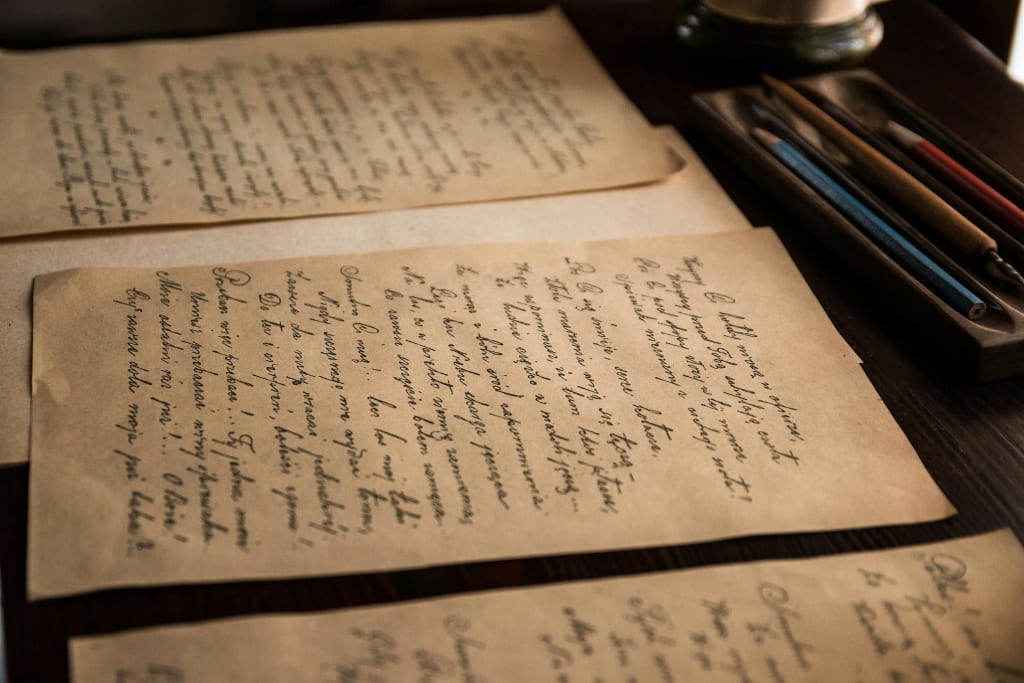
Shrouded in mystery and intrigue, the Vatican Secret Archive (recently renamed the Vatican Apostolic Archive) is one of the most enigmatic repositories in the world. Located within the Vatican City, this vast collection of documents spans centuries of history, religion, politics, and culture. Despite its allure, the archive remains largely inaccessible to the general public, with strict regulations governing who can access its treasures. This inaccessibility fuels fascination and speculation, making it a perennial subject of curiosity and conspiracy theories.
The History of the Vatican Secret Archive
The Vatican Secret Archive traces its origins back to the 17th century when Pope Paul V centralized the Holy See’s documents into a single repository. Over the centuries, it has expanded to house an estimated 85 kilometers of shelving, containing documents that date as far back as the 8th century. The archive’s purpose is to preserve the Catholic Church’s most significant historical records, including correspondence, papal decrees, state papers, and manuscripts.
The term "secret" (Latin: "Secretum") in its name originally meant "private" or "personal," indicating that the collection was intended for the pope and the Holy See’s internal use. However, the term has inadvertently added an air of mystique, leading many to speculate about its contents and purpose.
What is Inside the Archive?
The Vatican Secret Archive’s collection is believed to contain:
- Papal Correspondence:Letters from and to various world leaders, including monarchs, presidents, and influential figures. For example, the archive holds correspondence between Pope Clement VII and King Henry VIII during the English Reformation.
- Historical Records:Documents related to major historical events, such as the Crusades, the Inquisition, and the trial of Galileo Galilei.
- Church Records:Canonical documents, theological treatises, and records of ecumenical councils, including the Council of Trent.
- Miscellaneous Treasures:Unique artifacts and manuscripts, such as Michelangelo’s letters and the papal bull that excommunicated Martin Luther.
Despite its wealth of historical material, the exact contents of the archive remain largely unknown to the public, further adding to its mystique.
Why is the Vatican Secret Archive Forbidden?
Access to the Vatican Secret Archive is highly restricted, and several reasons explain why it is not open to the public:
- Protection of Sensitive Information: The archive houses confidential documents that could have implications for global diplomacy and the Church’s reputation. The Catholic Church has been involved in numerous political and religious controversies throughout history, and unrestricted access could lead to misinterpretations or misuse of sensitive information.
- Preservation of Historical Artifacts: Many of the documents in the archive are centuries old and fragile. Unregulated access could risk their physical integrity. The Vatican employs stringent preservation techniques to ensure these artifacts endure for future generations.
- Theological and Ethical Concerns: Certain documents may contain information that could be considered controversial or challenging to contemporary beliefs. The Church carefully manages how such information is disseminated to avoid misunderstanding or sensationalism.
- Scholarly Access Only: The archive is not entirely closed off. Accredited scholars and researchers can request access to specific documents, but the process is rigorous. Researchers must provide detailed explanations of their academic intentions, and approval is granted at the discretion of the Vatican.
The Archive and Conspiracy Theories
The secrecy surrounding the Vatican Secret Archive has made it fertile ground for conspiracy theories. Some of the most popular speculations include:
- Hidden Knowledge: Conspiracy theorists claim the archive holds suppressed knowledge, such as evidence of extraterrestrial life, alternative gospels, or ancient technologies.
- The Bloodline of Christ: Inspired by works like "The Da Vinci Code," some believe the archive contains documents proving controversial theories about Jesus’s descendants.
- Dark Secrets of the Church: Allegations include cover-ups of scandals, hidden prophecies, and records of occult practices within the Church.
While these theories captivate the imagination, there is little evidence to support such claims. The Vatican’s strict control over the archive’s contents fuels such speculation, but most historians and scholars emphasize the archive’s historical and cultural significance rather than secretive conspiracies.
The Role of the Archive Today
In recent years, the Vatican has taken steps to modernize and increase transparency. In 2019, Pope Francis authorized the opening of records from the pontificate of Pope Pius XII (1939-1958), a controversial figure due to his role during World War II. This move was hailed as a significant step toward understanding the Church’s position during one of history’s darkest periods.
Despite these efforts, the Vatican remains cautious about granting broader access. The archive continues to function as a resource for scholars and a repository of the Church’s legacy, balancing the need for preservation with limited public disclosure.
The Fascination with the Forbidden
The Vatican Secret Archive’s allure lies in its dual nature: a treasure trove of historical knowledge and a fortress of secrecy. This dichotomy makes it a unique institution that captures the imagination of historians, theologians, and the general public alike. Its inaccessibility invites speculation, but it also underscores the importance of safeguarding humanity’s historical heritage.
Conclusion
The Vatican Secret Archive remains a forbidden vault, steeped in mystery and history. While it is not entirely off-limits, its stringent access restrictions ensure that its secrets are revealed only under careful scrutiny. As a symbol of the Church’s enduring legacy, the archive challenges us to reflect on the balance between transparency, preservation, and the safeguarding of sensitive information. Whether viewed as a repository of untold truths or simply a collection of historical artifacts, the Vatican Secret Archive continues to inspire wonder, curiosity, and respect for the mysteries it holds.
About the Creator
Keep reading
More stories from mariam elghazaly and writers in History and other communities.
The City of Chernobyl: A Forbidden Reminder of Human Error and Nature’s Resilience
Chernobyl, a name that resonates with tragedy, resilience, and mystery, is located in northern Ukraine, near the Belarusian border. It gained infamy on April 26, 1986, when Reactor No. 4 of the Chernobyl Nuclear Power Plant exploded during a late-night safety test. The catastrophic accident released radioactive materials across Europe and became one of the worst nuclear disasters in human history. Today, while some areas around Chernobyl are accessible under strict regulations, the city itself remains forbidden for permanent habitation—a haunting reminder of the disaster's long-term consequences.
By mariam elghazalyabout a year ago in History
Are Banks Open on Martin Luther King Jr. Day?
Introduction Martin Luther King Jr. Day, also called MLK Day, is a national holiday in the United States. Many people enjoy a day off from work or school on this day. However, a common question people ask is: Are banks open on MLK Day?
By Farhan Sayedabout 11 hours ago in History
Power's Sake
When it comes to gaining power, bad people use it to gain more They never gain power to do something with it, they gain power to have it, relish in it, double it down on itself so it grows exponentially and never goes anywhere. Even if you see the people in power commit an atrocity, that is never the true goal. It is a deplorable action for sure but the action itself usually doesn't matter it's the outcome.
By Donny Foley6 days ago in History


Comments
There are no comments for this story
Be the first to respond and start the conversation.