
Meet 6 Leaders Who Influenced Human History
is a captivating exploration of the lives and legacies of six remarkable figures who shaped the course of civilization.

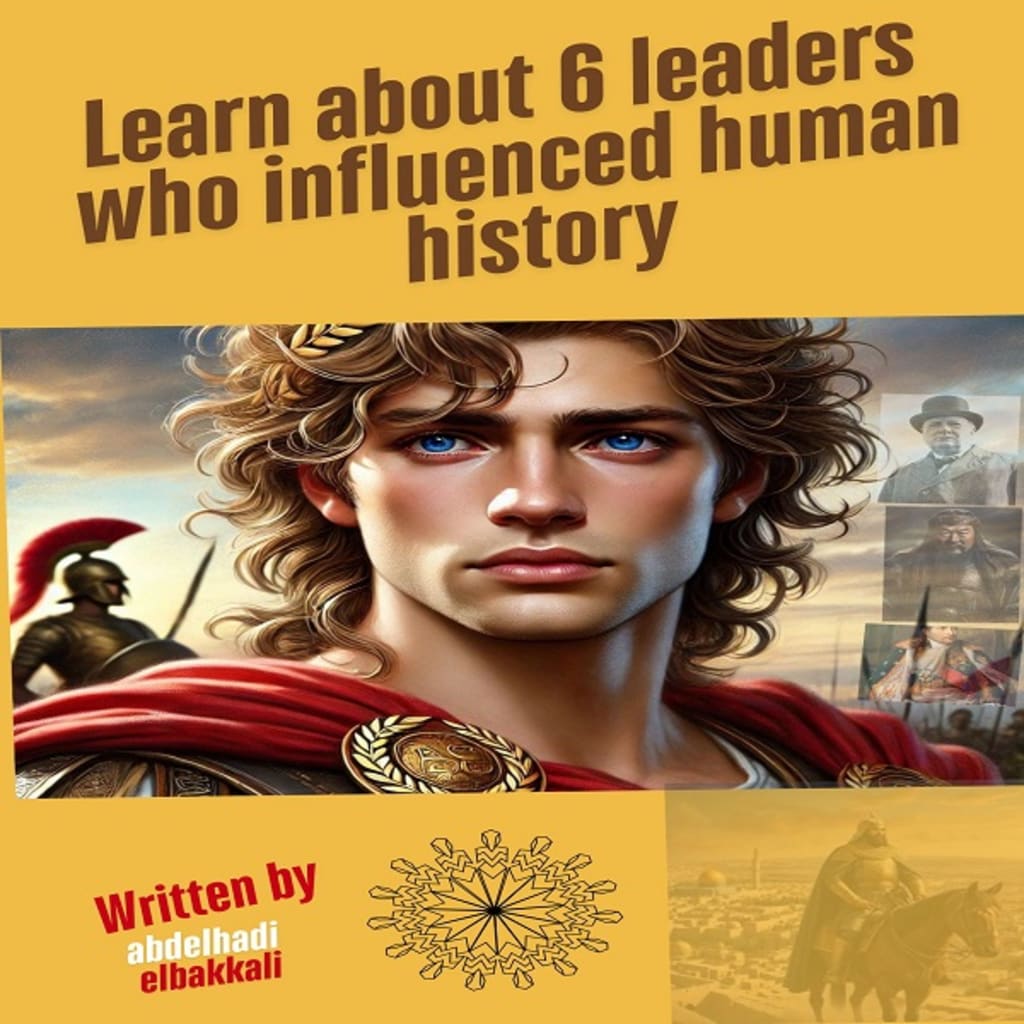
Meet 6 Leaders Who Influenced Human History
Throughout the annals of human civilization, certain leaders have risen above the fray to leave indelible marks on history. Their visions, actions, and sometimes even their flaws have shaped the destinies of nations and the course of human events. From the ancient battlefields of empires to modern struggles for justice and equality, these lea
One of the earliest examples of visionary leadership is Alexander the Great, the Macedonian king who forged one of the largest empires of the ancient world. Born in 356 BCE, Alexander demonstrated an extraordinary blend of military genius and an insatiable curiosity for the cultures he encountered. His conquests stretched from Greece through Persia and into India, creating a vast network of cultural exchange known as the Hellenistic civilization. Alexander’s strategy was not solely about conquest; he also founded cities that became centers of learning and trade, bridging the East and West in unprecedented ways. Despite his early death at the age of 32, his legacy of blending cultures and spreading Greek philosophy deeply influence
Another towering figure in human history is Julius Caesar, a Roman general and statesman whose career radically altered the course of Roman history. Born into a turbulent period of political strife, Caesar’s rise to power was marked by his shrewd military tactics and his ability to inspire loyalty among his troops. His conquest of Gaul and his pivotal role in the Roman Civil War transformed Rome from a republic to an empire under his influence. Caesar’s reforms in admin
Genghis Khan, born Temujin in the rugged steppes of Mongolia, stands as another leader whose impact on history is both formidable and controversial. Uniting the fractious Mongol tribes under a single banner, Genghis Khan initiated a series of conquests that would eventually create the largest contiguous empire in history. His innovative military tactics, adaptability, and organizational skills allowed him to overcome vastly larger and more established forces. Beyond his reputation as a ruthless conqueror, Genghis Khan implemented systems of law, communication, and trade that
In more recent history, Napoleon Bonaparte emerged as a leader whose influence reshaped Europe in the early 19th century. Rising from the ranks of the military during the tumultuous years of the French Revolution, Napoleon’s strategic acumen and charismatic leadership quickly propelled him to power. As Emperor of the French, he instituted sweeping reforms in law, education, and administrative organization—many of which laid the foundations for modern state systems across Europe. Napoleon’s military campaigns, though marked by both brilliant victories and crushing defeats, redefined the art of warfare. His eventual exile and the subsequent reordering of European borders hig
Turning our attention to leaders of peace and non-violent resistance, Mahatma Gandhi stands as an enduring symbol of the power of peaceful protest. Leading India’s struggle for independence from British colonial rule, Gandhi’s philosophy of non-violent civil disobedience inspired millions around the world. His approach, deeply rooted in ethical and spiritual principles, demonstrated that moral strength could challenge even the most entrenched systems of power. Gandhi’s commitment to simplicity, self-reliance, and the upliftment of the oppressed brought about profound social change not only in India but also provided a blueprint for civil rights movements across the globe. Despite facing imprisonment, violence, and personal sacrifice, Gandhi’s steadfast adherence to his principles cemented his legacy as a leader who proved that compassion and perseverance can effect monumental change. His life continues to be a beacon of hope and a testament to the enduring power of non-violence in t
Finally, in the modern era, Nelson Mandela emerged as a transformative leader whose journey from prisoner to president symbolized the triumph of resilience and forgiveness. Spending 27 years behind bars under the oppressive apartheid regime in South Africa, Mandela’s unwavering commitment to equality and justice never wavered. Upon his release, his ability to embrace reconciliation over retribution helped to steer a nation through a critical period of transition. As the first black president of South Africa, Mandela championed policies that promoted national
In reflecting upon these six leaders—Alexander the Great, Julius Caesar, Genghis Khan, Napoleon Bonaparte, Mahatma Gandhi, and Nelson Mandela—we encounter a rich tapestry of human endeavor and achievement. Each leader’s journey was marked by unique challenges and triumphs, yet all shared an extraordinary ability to shape the world around them. Their methods varied widely: some led with the sword, while others wielded the power of ideas and non-violent resistance. Yet, what binds them together is the undeniable fact that their actions reverberated far beyond their lifetimes, influencing generations to come. Whether through the expansion of empires, the reform of societal structures, or the relentless pursuit of justice, these figures have b
The stories of these six leaders remind us that the course of history is not written by passive events but by the bold decisions and courageous acts of individuals. Their lives encourage us to consider the myriad ways in which leadership can be defined—by conquest, by reform, by resilience, or by the unwavering commitment to one’s ideals. As we look to the future, the legacies of these influential figures continue to offer valuable lessons about the complexities of power, the responsibilities of leadership, and the potential for individual actions to transform the world. Their enduring impact invites us all to reflect on how we might contribute to shaping a more just, connected, and dynamic global community.
About the Creator
Abdelhadi elbakkali
Abdelhadi El Bakkali
Moroccan Writer, Novelist, and Intellectual
Personal Information
Full Name: Abdelhadi El Bakkali
Date of Birth: Circa 1977 (exact date not wid
Keep reading
More stories from Abdelhadi elbakkali and writers in History and other communities.
7 Famous Moroccan Dishes You Must Try: Recipes, History & Tips!
Introduction Moroccan cuisine is a vibrant fusion of flavors, blending spices like cumin, saffron, and cinnamon with fresh ingredients. In this guide, we’ll explore 7 famous Moroccan dishes that define the country’s culinary identity. From savory tagines to sweet pastries, learn how to recreate these classics and immerse yourself in Morocco’s rich food culture.
By Abdelhadi elbakkali12 months ago in Feast
3 Real People Who Accidentally Became Myths
History has a strange habit of refusing to leave certain people alone. Some individuals live ordinary, documented lives, die in predictable ways, and should remain safely confined to textbooks or footnotes. Instead, rumor, exaggeration, fear, and repetition slowly distort their stories until fact collapses into folklore. Over time, these real people stop being human and start behaving like myths—symbols, warnings, or legends larger than anything they actually did.
By Enoch Sagini2 days ago in History
The Ritual of Winter Challenge Winners
Welcome to the Winners Announcement for The Ritual of Winter challenge. This prompt focused on winter rituals and the meaning that settles into them over time. The top pieces stay grounded in ordinary acts and repeated routines, letting winter shape the work through pace, attention, and restraint.
By Vocal Curation Team7 days ago in Resources




Comments
There are no comments for this story
Be the first to respond and start the conversation.