
Little-Known Facts About Harriet Tubman That Rewrite Her Remarkable Legend.
Tinker, Soldier, Spy, Nurse, Activist and Liberator. Black "Moses" led her people to a promised land of freedom without fail.

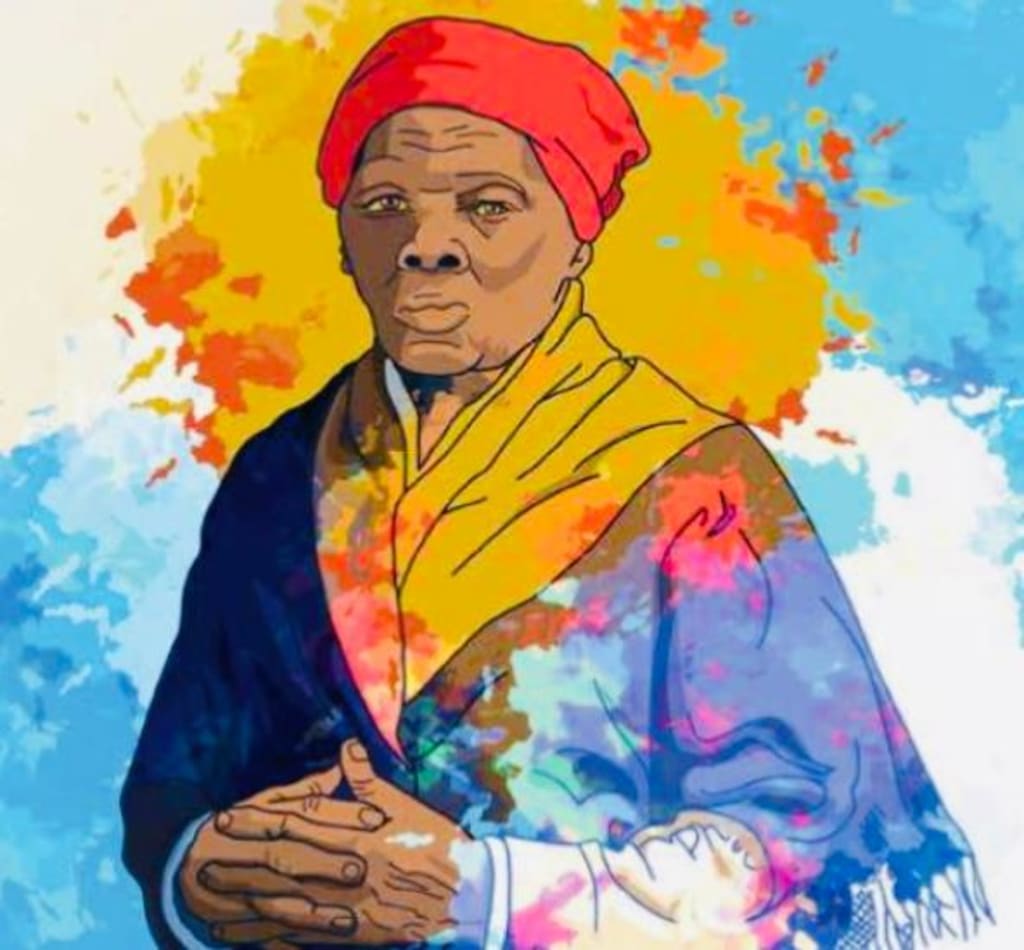
She was born Araminta Ross, nicknamed 'Minty'. Later in her life she took her mother's first name, Harriet. Tubman was her husband's last name.
Harriet Tubman’s is synonymous with courage, freedom, and the fight against slavery.
Husband, John, a free Black man, did not accompany her when she set off on her 90 mile escape from Maryland to Pennsylvania, he thought it too risky. Five years later, when she returned for him, he had remarried. She remarried to Nelson Davis after John died, 19 years later, he too died.
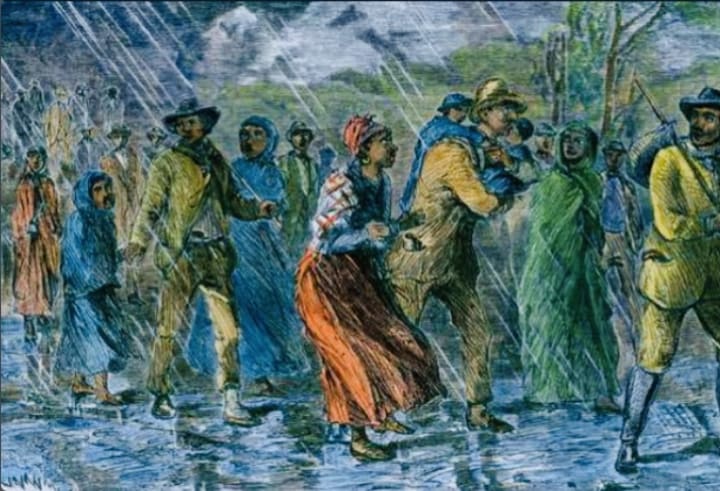
Harriet made more than a dozen trips back to Maryland. Many of her family members and friends took the journey which John had refused to take. Even her elderly parents were among the seventy who accompanied her back.
........
Known for her heroic efforts in leading enslaved people to freedom via the Underground Railroad, Tubman’s legacy is well-documented. Yet, much of her life remains shrouded in mystery, with many lesser-known facts that reveal the depth of her character, struggles, and enduring impact.
1. She Was a Spy
Harriet Tubman's courageous efforts did not stop at leading enslaved people to freedom along the Underground Railroad. During the Civil War, she took on a lesser-known but equally daring role---a spy for the Union Army. She knew the landscape well and could travel discreetly through dangerous territory, Tubman was able to collect critical information, assist in planning surprise attacks, and guide troops through unfamiliar regions without drawing attention. Her behind-the-scenes work played a significant role in aiding Union strategies, even if it’s often left out of traditional historical narratives.
In addition to leading a whole network of spies, Harriet guided three union gunboats and approximately 150 Black union troops inland in South Carolina's Combahee River. She led them to several warehouses filled with confederate rice and cotton. Union soldiers seized the material and destroyed the warehouse. 750 enslaved persons were freed. She also helped out as nurse and cook.
BIG SURPRISE. THE UNION WAS UNFAIR TO HER, PAYING HER ONLY $200 FOR THREE YEARS OF SERVICE DURING THE WAR. HARRIET SUPPORTED HERSELF WITH BAKE SALES AND A SMALL PENSION FOR BEING A SPOUSE OF A VETERAN. HER OWN SERVICE PENSION WAS NOT GRANTED UNTIL 30 YEARS LATER.
In 1898 she underwent brain surgery for the headaches and other symptoms of a head injury.
2. Tubman suffered from a lifelong Traumatic Head Injury.
Harriet endured a traumatic head injury that would affect her for the rest of her life. While enslaved, an overseer hurled a heavy iron weight intended for another person, but it struck Tubman instead, causing a fractured skull. She suffered from sudden blackouts, intense headaches, and what she described as powerful visions or dreams. Many historians now suspect she may have developed a form of epilepsy. Despite the challenges, Tubman believed these episodes were spiritual messages. Rather than hindering her, they strengthened her resolve and often gave her a sense of divine purpose as she led others to freedom
3. Her Underground Railroad Missions Were Always Successful
One of the most astonishing aspects of Harriet Tubman’s work with the Underground Railroad is that not a single person she guided to freedom was ever captured or lost along the way. Despite the immense danger, she returned to the South again and again, risking her own life to help enslaved individuals escape the brutal conditions they faced. Using secret routes, coded messages, and her deep instincts, she managed to outsmart slave catchers and avoid traps. Her flawless track record earned her immense respect and the nickname "Moses" for her ability to lead people to a promised land of freedom without fail.
4. She Was an Active Advocate for Women's Suffrage
An outstanding dedication to justice and equality reached far beyond Harriet's efforts to free enslaved individuals. Once the Civil War ended and slavery was abolished, she redirected her tireless energy toward fighting for women’s rights, especially the right to vote. Tubman aligned herself with key suffragists like Susan B. Anthony, traveling to speak at events and rallies that promoted gender equality. Her voice, shaped by years of resistance and courage, added strength to the growing suffrage movement. Tubman’s post-war activism showed that her passion for human rights was not confined to any single cause...it was a lifelong mission.
5. Tubman Saved Her Family on many different occasions.
Not only did Tubman risk everything to guide strangers toward freedom, but she also made it her mission to bring her own family out of bondage. She undertook multiple perilous journeys back into slave-holding territory, each time with the goal of reuniting her family in freedom. Rather than seeking safety for herself alone, Tubman was driven by love and loyalty, eventually orchestrating the escapes of several siblings and extended family members. One of her most daring efforts included rescuing her aging parents, a tribute and attestation to her courage and the unbreakable bonds of kinship.
6. She Was a Target of the Fugitive Slave Act
As a formerly enslaved woman leading others to freedom, Harriet Tubman was in constant danger---especially after the passage of the Fugitive Slave Act of 1850. This harsh federal law empowered slave catchers to pursue runaways even in free states, putting Tubman directly in harm’s way during every mission. Despite the looming threat of arrest or worse, she continued her work with unwavering stubbornness. To evade capture, Tubman employed a range of smart and daring tactics---donning disguises, traveling only at night, and memorizing intricate routes to safety. Her fearless ingenuity and quick thinking earned her a reputation as one of the most effective and trusted guides along the Underground Railroad.
7. Harriet Tubman’s Unseen Role as a Civil War Nurse and Cook.
Harriet Tubman’s contributions during the Civil War extended beyond her roles as a scout and spy, as she also served as a dedicated nurse, providing medical care to both Union and African American soldiers. She tended to wounded soldiers and used her medical knowledge to care for both Union and African American troops. Tubman’s ability to adapt and take on such diverse roles in support of the war effort highlights her courage and commitment to the cause of liberty.
8. Her Own Freedom Was Hard-Won
Tubman’s journey to freedom was not without significant obstacles. After escaping to the North in 1849, she had to navigate a hostile and dangerous environment filled with bounty hunters. Her escape was also made more difficult by the fact that she did not have any money or support, making her courage in the face of adversity all the more impressive. She was forced to rely on her instincts, resourcefulness, and sheer determination to achieve her freedom.
9. Tubman Was the First Woman to Lead an Armed Raid During the Civil War.
In 1863, Harriet Tubman made history as the first woman to command an armed military mission in the United States. This remarkable operation, known as the Combahee River Raid, saw Tubman leading Union troops to liberate more than 700 enslaved individuals from plantations in South Carolina. The raid was a daring and carefully executed mission that demonstrated Tubman’s leadership, bravery, and strategic skills. It cemented her place in history not only as a fearless freedom fighter but also as a groundbreaking leader during the Civil War.
10. She Once Threatened to Blow Up a Train to Ensure Freedom
In one daring episode, Harriet Tubman encountered a situation where an enslaved man, overcome with fear, was reluctant to escape, fearing he would be captured. Understanding the gravity of the moment, Tubman acted swiftly and decisively. She threatened to blow up the train they were on if they weren’t allowed to continue their journey to freedom. Her boldness and determination in such high-stress circumstances reflect the immense courage she exhibited, even when faced with the most dangerous and tense moments.
11. Tubman Had a Vision for a Black Nation in the West
She not only fought for the immediate freedom of enslaved people but also had a bold vision for the future of freed African Americans. She believed a free black settlement in the western U.S. could serve as a sanctuary for those escaping the oppression of the South. Tubman worked with the U.S. government to establish such a settlement, though her plans were never realized. Her idea of a self-sustained black community reflects her commitment to black autonomy, empowerment, and creating a brighter future for African Americans.
12. She Lived to Be 91...Continuing Her Advocacy to the end.
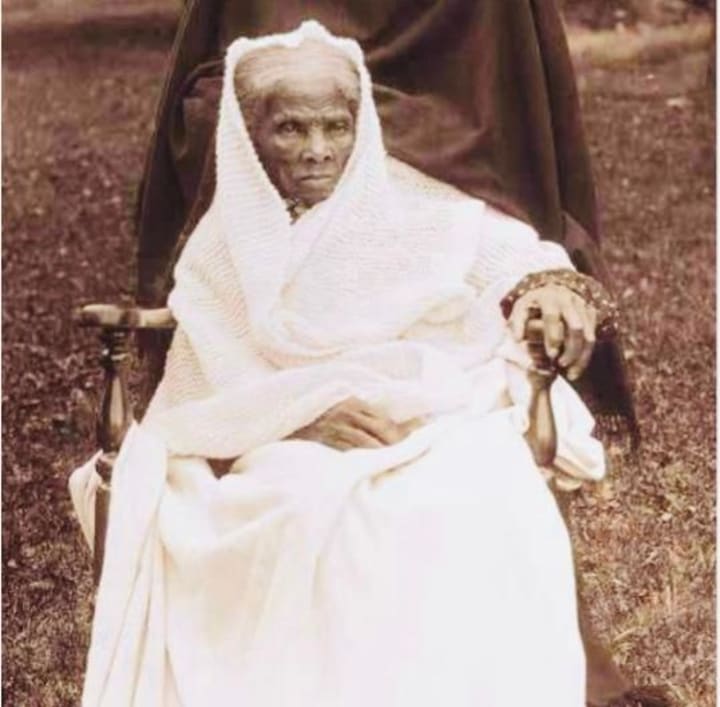
Harriet Tubman lived an impressive and long life, considering the immense hardships she endured. She passed away in 1913 at the age of 91, after a life of extraordinary bravery. In her later years, Tubman settled in Auburn, New York, where she continued to advocate for civil rights and women’s suffrage, remaining active in the fight for equality even as she grew older. Tubman’s legacy has only deepened with time, and her remarkable story remains one of the most inspiring and compelling in American history. She is remembered not just for her heroic work with the Underground Railroad, but also for her enduring commitment to justice and her fight for freedom until the very end of her life.
.........
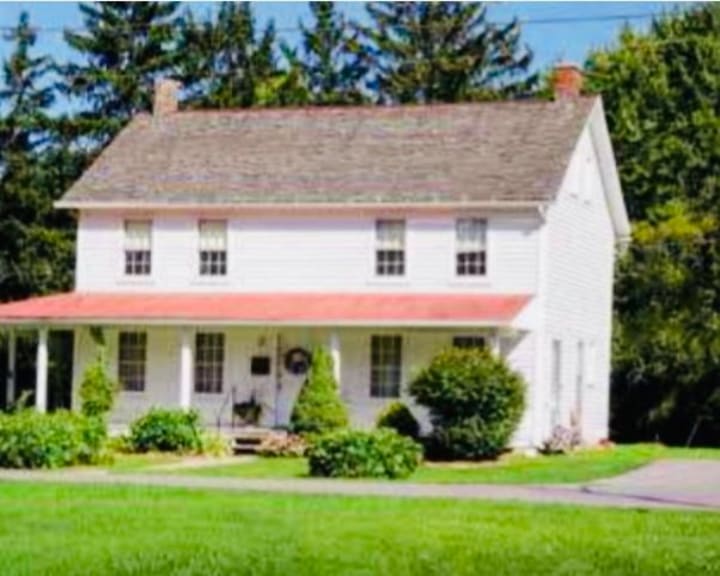
Harriet founded a home for poor and elderly African-Americans next door to her own property and later became a resident herself.
God Bless you dear one.
What an extraordinary and remarkable woman was our Harriet.
............................
Excerpts from Story by Elaine S.
America Rewind (USA)
Cricket Blog.
About the Creator
Antoni De'Leon
Everything has its wonders, even darkness and silence, and I learn, whatever state I may be in, therein to be content. (Helen Keller).
Tiffany, Dhar, JBaz, Rommie, Grz, Paul, Mike, Sid, NA, Michelle L, Caitlin, Sarah P. List unfinished.
Keep reading
More stories from Antoni De'Leon and writers in History and other communities.
“How far you go in life depends on your being tender with the young, compassionate with the aged, sympathetic with the striving and tolerant of the weak and the strong. Because someday in life you will have been all of these.” —George Washington Carver
Black homesteaders were part of a larger land ownership movement in which settlers acquired and developed public lands for farming in 30 US states over a period of 100 years. The US federal government enacted these policies in areas that it wanted to populate with American citizens or prospective citizens (often to the detriment of the interests of the Native Americans who had previously occupied these lands. In total, some 30,000 black homesteaders obtained land claims in the course of this movement.
By Antoni De'Leon8 months ago in History
3 Times Ordinary Objects Did Something Deeply Unsettling
Objects surround us every day. They make life easier, more comfortable, or more entertaining. A chair supports us, a mirror shows us our reflection, and a toaster browns our bread with consistent reliability. Most of the time, they behave exactly as expected.
By Enoch Sagini4 days ago in History
When Allies Disagree: How Global Partnerships Are Being Redefined
When Allies Disagree: How Global Partnerships Are Being Redefined For much of the modern era, global alliances appeared firm and predictable. Powerful countries formed blocs, promised mutual support, and stood together during times of war and crisis. But in today’s world, those alliances are changing. Recent disagreements between long-standing partners show that global cooperation is no longer based on automatic loyalty—it is increasingly shaped by national interests, public opinion, and long-term stability.
By Wings of Time 3 days ago in History




Comments (7)
This is a marvelous tribute to an incredible woman, Antoni! And you're right, most of this was new information for me. (Being a target of the Fugitive Slave Act, seemed a little more obvious.) Thank you for sharing these with us.
Well-wrought! One of my favorite figures when learning of the Underground Railroad, some channels of which passed through Indiana, where I live. But there was a lot more I didn't know, and I enjoyed this account where you fill in the blanks.
I thought she only liberated slaves. Oh goodness. All that history we never knew about. Well presented and enlightening information, How in God's name did she do so much in such hard times. What strength of character it took. I am inspired. TY.
Harriet Tubman's story is truly inspiring. It's amazing how she not only led people to freedom but also became a spy. I wonder how she managed to keep her activities so secret in dangerous territory. And that rescue mission in South Carolina? That's some serious impact. We should learn more about these lesser-known aspects of her life.
The number one power she had was her faith in God. If you ever drive to Pennsylvania to Maryland you will be amazed how she walk it so many times. Pennsylvania 's woods have ton of bears as well.
She exemplified the word strength. Heck, she may have invented the word. You've done an amazing job renewing and revealing little known facts of her existence. I didn't know a third of what wrote. Thank you so much! 💖
This is so inspiring and heartbreaking at the same time.