
Leptis Magna Reveals Roman Grandeur
Ancient city of Leptis Magna reflects Libya's Roman past
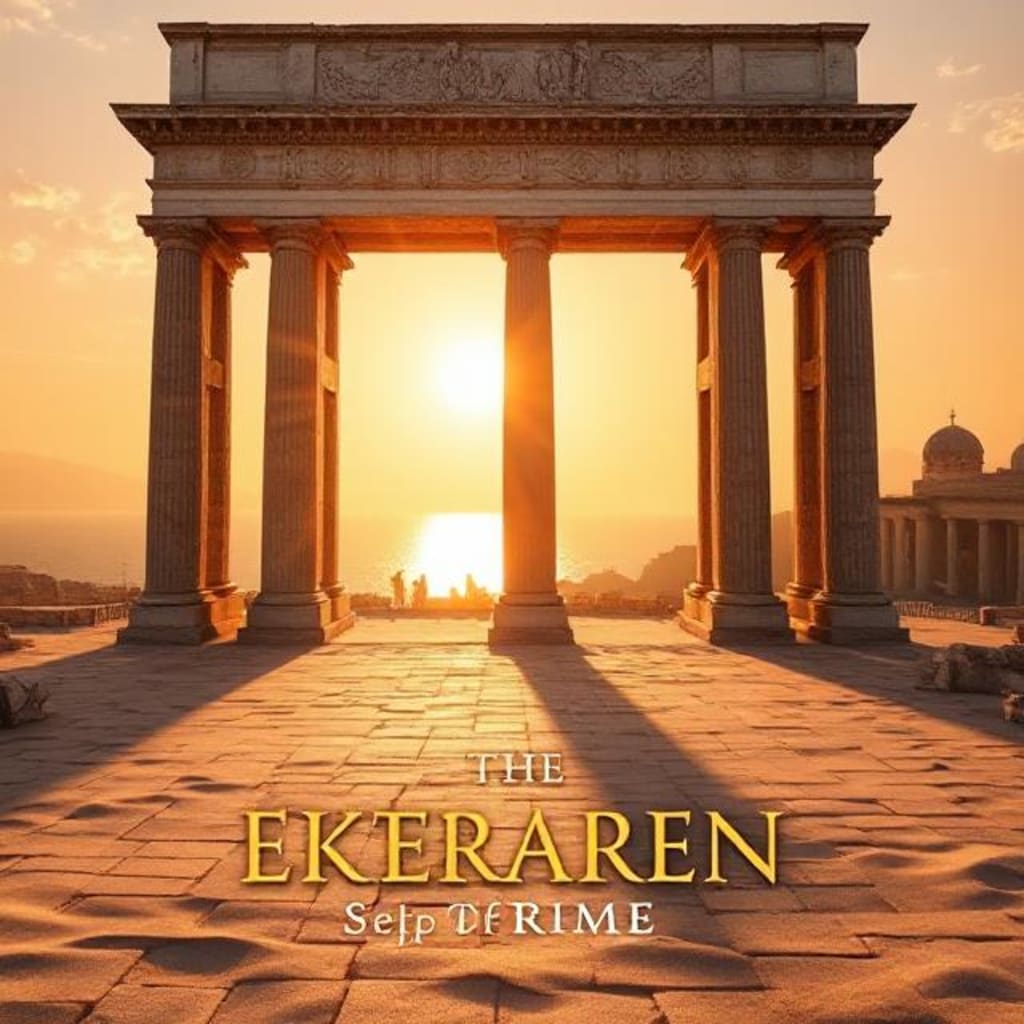
Leptis Magna – Libya
Nestled along the Mediterranean coast of modern-day Libya lies one of the ancient world’s most impressive archaeological treasures: Leptis Magna. Once a thriving Roman city, Leptis Magna stands today as a breathtaking reminder of Rome’s grandeur and its expansive reach across North Africa. Its monumental architecture, well-preserved ruins, and rich history make it one of the best-preserved Roman cities outside Italy.
The origins of Leptis Magna date back to the 7th century BCE when it began as a Phoenician trading post. The city’s strategic location on the Mediterranean Sea made it a prime hub for trade between Carthage, Egypt, and the broader Roman Empire. Over time, the settlement flourished and was eventually absorbed into the Roman Republic in the 1st century BCE.
Leptis Magna reached the height of its power and architectural brilliance during the reign of Emperor Septimius Severus, who was born in the city around 145 CE. Upon becoming emperor in 193 CE, Severus favored his hometown and lavished it with imperial funds. Under his rule, Leptis Magna transformed from a prosperous provincial town into a dazzling Roman metropolis. Many of the city’s most magnificent buildings—including the grandiose Severan Basilica, arch, and the Forum—were constructed during this period.
The Arch of Septimius Severus remains one of Leptis Magna’s most iconic structures. Built in 203 CE to commemorate the emperor’s visit, it features intricate carvings and reliefs that celebrate Rome’s military victories and divine lineage. Standing at the entrance of the ancient city, the arch still inspires awe today with its scale and craftsmanship.
Another marvel is the amphitheater, located outside the city walls. Carved partly into a hillside and overlooking the sea, it could accommodate up to 15,000 spectators. Gladiatorial games, animal hunts, and public spectacles entertained the city’s citizens and reinforced the power and cultural reach of the Roman Empire.
The Severan Forum and Basilica formed the political and religious heart of the city. The Forum, an open public space, was lined with colonnades and statues, while the Basilica served as a courthouse and a venue for civic events. Nearby, the sprawling marketplace (macellum) offered goods ranging from local olives and grains to luxury items brought from across the empire.
Leptis Magna's harbor also played a vital role in its development. The city’s extensive port facilities supported trade in olive oil, grain, textiles, and exotic animals, which were sent to Rome for use in games and public entertainment. The wealth generated through this commerce funded many of the city's magnificent structures.
Despite its brilliance, Leptis Magna’s fortunes declined in the later centuries. The city suffered from political instability, economic challenges, and the encroaching desert sands. In the 4th and 5th centuries CE, repeated invasions and shifting trade routes hastened its decline. The final blow came with the Arab conquest in the 7th century, after which the city was gradually abandoned and buried under centuries of sand.
Rediscovery began in the early 20th century when Italian archaeologists initiated excavations during Libya's time as an Italian colony. Since then, Leptis Magna has revealed more of its secrets, including mosaics, baths, and intricate architectural features that provide rare insight into Roman urban planning and daily life.
Today, Leptis Magna is a UNESCO World Heritage Site, though it faces threats from erosion, looting, and the lack of consistent preservation efforts due to Libya's ongoing political instability. Nevertheless, its grandeur and significance remain undiminished. Walking through its colonnaded streets, you can imagine the bustle of merchants, the chatter of citizens in togas, and the echo of speeches in marble forums.
Leptis Magna is not just an archaeological site; it is a symbol of Libya’s rich cultural tapestry and a testament to the Roman Empire’s enduring legacy in North Africa. Its preservation is not only crucial for historians and archaeologists but also for future generations who seek to understand the complexities of cultural exchange, empire-building, and the rise and fall of civilizations.
For those fortunate enough to visit, Leptis Magna offers a rare journey into the heart of the ancient world—an encounter with stone and sand that tells stories of emperors, empire, and enduring human ingenuity.
About the Creator
Keep reading
More stories from Mukhtiar Ahmad and writers in History and other communities.
Leptis Magna Reveals Ancient Grandeur
Leptis Magna – A Forgotten Jewel of Roman Africa Hidden along the windswept coast of Libya lies one of the ancient world’s most remarkably preserved cities—Leptis Magna. Once a thriving Roman metropolis, this awe-inspiring site stands as a testament to the grandeur of an empire that stretched across continents. Unlike Rome’s more famous ruins, Leptis Magna remains largely untouched by mass tourism, offering visitors a rare opportunity to step directly into the past.
By Mukhtiar Ahmad8 months ago in History
Ancient Roman Secrets: What Their Monuments Teach Us About Sustainable Construction
Across Europe and the Mediterranean, the remains of ancient Roman structures continue to amaze architects, engineers, and historians alike. Massive aqueducts still stretch across valleys, amphitheaters remain standing after centuries of earthquakes and wars, and the iconic Pantheon in Rome still boasts the world’s largest unreinforced concrete dome. These remarkable structures are more than just archaeological treasures; they hold important lessons for modern construction. Hidden within these monuments is a set of engineering secrets that could help today’s builders create stronger, longer-lasting, and more sustainable structures.
By Irshad Abbasi 6 days ago in History


Comments
There are no comments for this story
Be the first to respond and start the conversation.