
Leptis Magna Reveals Ancient Grandeur
Libya’s Roman treasure echoes history through stones and sea breezes
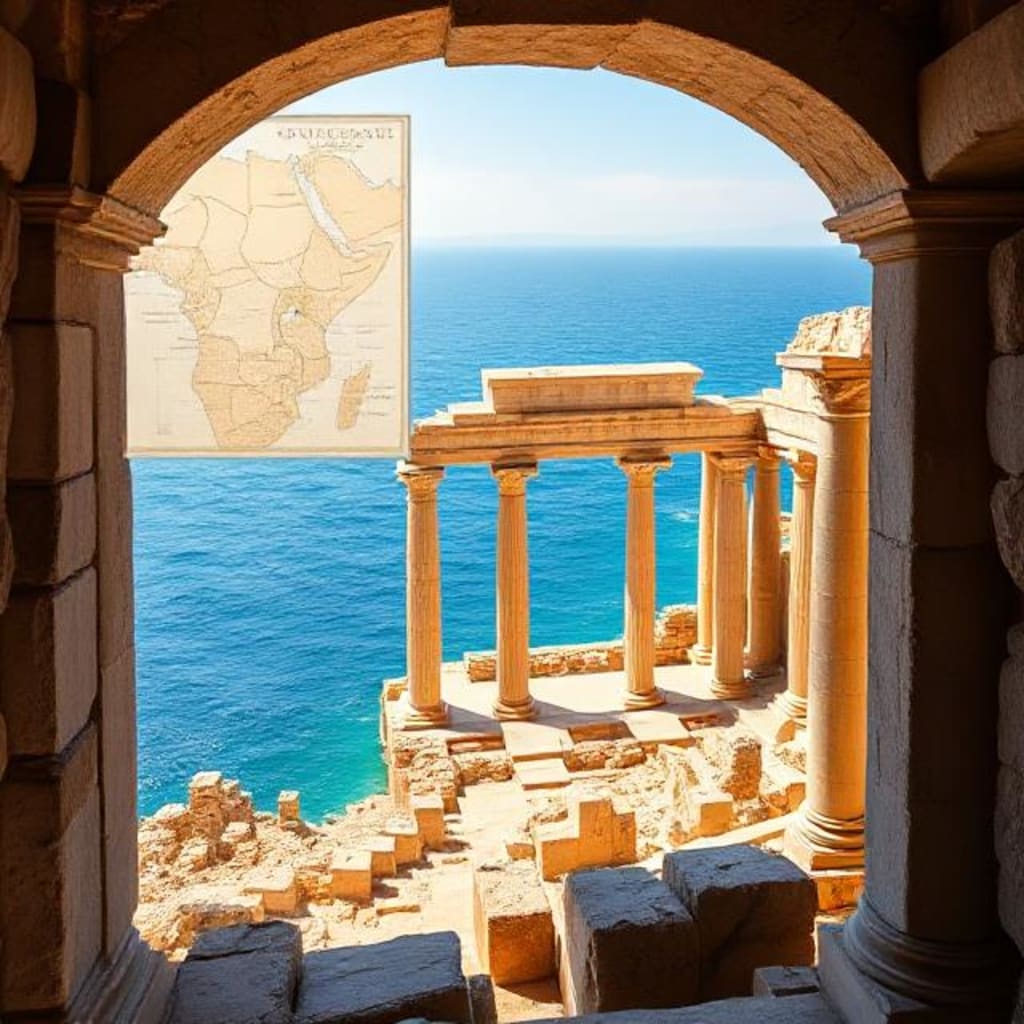
Leptis Magna – A Forgotten Jewel of Roman Africa
Hidden along the windswept coast of Libya lies one of the ancient world’s most remarkably preserved cities—Leptis Magna. Once a thriving Roman metropolis, this awe-inspiring site stands as a testament to the grandeur of an empire that stretched across continents. Unlike Rome’s more famous ruins, Leptis Magna remains largely untouched by mass tourism, offering visitors a rare opportunity to step directly into the past.
Founded around 1000 BCE by the Phoenicians, Leptis Magna was initially a small trading post. Over centuries, it grew in importance due to its strategic location on the Mediterranean, making it a valuable port for commerce and communication. It flourished under Carthaginian control and later came under Roman rule in 146 BCE following the Punic Wars. It was under Roman administration that Leptis Magna entered its golden age.
The city’s most prosperous period came during the reign of Emperor Septimius Severus, who was born in Leptis Magna in 145 CE. As a native son of the city, Severus poured imperial resources into its development, transforming it into a showcase of Roman power and sophistication in Africa. Temples, basilicas, arches, forums, and bathhouses sprang up in grand style, all adorned with intricate carvings and lavish marble imported from across the empire.
Walking through the ruins today, visitors can marvel at the magnificent Severan Basilica, a vast hall with towering columns and decorative friezes. The Arch of Septimius Severus, built in 203 CE, still stands proudly at the city’s entrance, marking one of the most iconic Roman structures in North Africa. The theater, capable of seating thousands, offers a stunning view of the sea and hints at the cultural vibrancy that once pulsed through the city.
Leptis Magna was not merely a monument to architecture but a center of economic and political activity. Its harbor bustled with ships from Egypt, Greece, and beyond, bringing spices, textiles, olive oil, and grain. The city’s urban planning—with its aqueducts, sewage systems, and grid-like streets—demonstrates advanced engineering rarely seen outside Rome itself. Its vast market complex, with stalls and trading halls, shows how vital Leptis Magna was to the Roman economy in Africa.
However, the city’s prosperity was not eternal. By the 4th century CE, economic decline and political instability across the empire began to affect Leptis Magna. Invasions by Berber tribes and later the Vandals, followed by Byzantine attempts at reconquest, left the city increasingly vulnerable. By the 7th century, after the Arab conquest of North Africa, Leptis Magna was largely abandoned. Over time, desert sands and the encroaching sea began to reclaim its once-bustling streets.
Rediscovered during the Italian colonial period in the early 20th century, extensive excavations brought the city back into historical consciousness. Archaeologists uncovered layer after layer of buildings, artifacts, and inscriptions that helped piece together the story of Leptis Magna. Even today, ongoing digs continue to reveal new insights into Roman life in North Africa.
Despite political instability in modern Libya, Leptis Magna remains a site of immense archaeological and cultural significance. It has been designated a UNESCO World Heritage Site, and efforts have been made to preserve its structures from erosion, looting, and the effects of time. The site serves not only as a link to Libya’s pre-Islamic past but as a reminder of the shared heritage of humanity.
Leptis Magna captivates the imagination with its grandeur, history, and silence. It invites travelers, scholars, and dreamers to reflect on the rise and fall of civilizations, the impermanence of power, and the enduring beauty of human craftsmanship. Its columns still reach for the sky; its stones still whisper stories of merchants, emperors, and builders long gone.
In an age where ancient sites are often surrounded by modern chaos or commercialization, Leptis Magna offers something rare—a genuine, tranquil connection to the ancient world. For those who seek to understand the might of Rome beyond the borders of Italy, this forgotten jewel on Libya’s coast is an essential destination. It stands not only as a ruin of the past but as a monument to the resilience of history.
About the Creator
Keep reading
More stories from Mukhtiar Ahmad and writers in History and other communities.
Fasil Ghebbi Reveals Ethiopia’s Imperial Architectural Glory
Nestled in the highlands of northwestern Ethiopia, the fortress city of Fasil Ghebbi, located in the heart of Gondar, stands as a remarkable symbol of Ethiopian imperial history. Often referred to as the "Camelot of Africa," this walled compound served as the royal residence of Ethiopian emperors during the 17th and 18th centuries. Its unique architectural style—a fusion of Axumite, Portuguese, Indian, and Moorish influences—makes it one of the most significant heritage sites in Africa. Recognized as a UNESCO World Heritage Site in 1979, Fasil Ghebbi is not just a historical treasure but a proud reflection of Ethiopia’s rich and diverse cultural identity.
By Mukhtiar Ahmad7 months ago in History
THE GRAND EGYPTHION MUSEUM
Let’s be real for a second. When folks hear "museum," they often think of dusty halls, dry information, and that odd quiet where you feel like you're misbehaving just for breathing. But the Grand Egyptian Museum isn't like that. I really don't think that's it. It's not accurate at all. This just seems wrong. This place is really nice. Egypt really shows us that it made history, and it keeps on doing amazing things.
By Beshoy Zayerabout 4 hours ago in History


Comments
There are no comments for this story
Be the first to respond and start the conversation.