
Kumbh Mela Tour: A Journey into India's Spiritual and Cultural Grandeur
Suggested Itinerary for a Kumbh Mela Tour
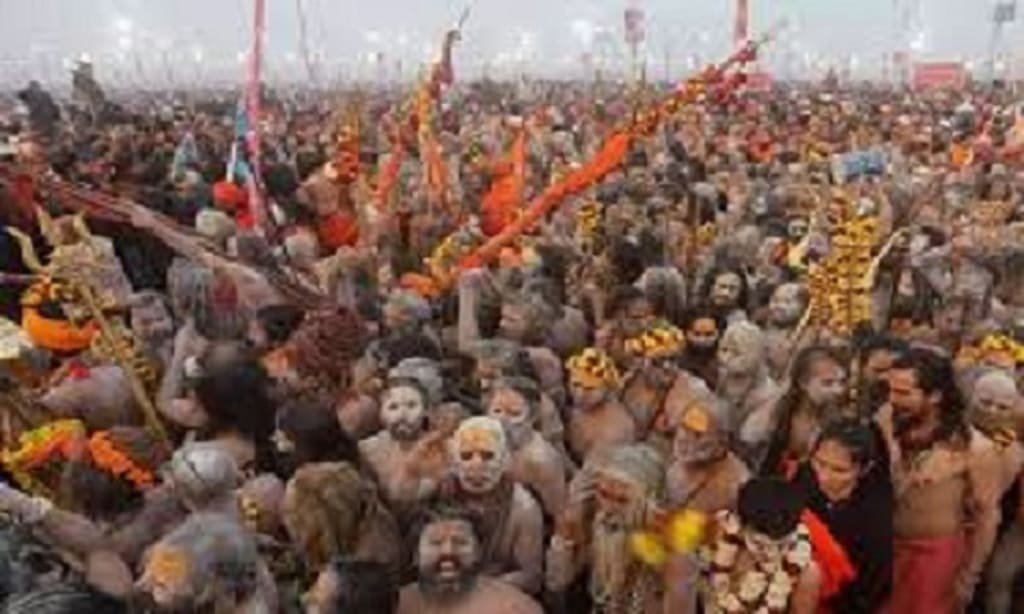
The Kumbh Mela is one of the most extraordinary spiritual gatherings in the world, bringing together millions of devotees, ascetics, saints, and travelers seeking enlightenment, purification, and divine blessings. Recognized by UNESCO as an Intangible Cultural Heritage of Humanity, the Kumbh Mela is held in rotation at four sacred locations in India: Prayagraj (Allahabad), Haridwar, Nashik, and Ujjain. Each venue has its unique significance, tied to Hindu mythology and the holy rivers.
For spiritual seekers and curious travelers alike, a Kumbh Mela tour offers a once-in-a-lifetime experience, blending religious fervor, cultural diversity, and unparalleled human congregation amidst awe-inspiring rituals and ceremonies.
What is the Kumbh Mela?
The Kumbh Mela is rooted in the legend of the churning of the cosmic ocean, or Samudra Manthan, which produced a pot (kumbh) of amrit (nectar of immortality). During the ensuing battle between gods and demons, four drops of nectar fell at the current Kumbh Mela locations. These sites are celebrated as sanctified grounds where bathing in the rivers during the festival washes away sins and leads to moksha (liberation).
The festival occurs every 12 years at each location, with an Ardh Kumbh (half Kumbh) held every six years and a Maha Kumbh (great Kumbh) held every 144 years in Prayagraj.
Highlights of a Kumbh Mela Tour
Sacred Bathing Rituals
Bathing in the rivers at auspicious times during the Kumbh Mela is the centerpiece of the event. Known as Shahi Snan (Royal Bath), these moments are marked by grand processions of saints and ascetics, who take the first dip, followed by millions of pilgrims. The experience of witnessing or participating in this ritual is both spiritually uplifting and culturally fascinating.
Naga Sadhus and Spiritual Leaders
One of the most striking aspects of the Kumbh Mela is the presence of Naga sadhus, or naked ascetics, smeared in ash and known for their renunciation of worldly life. Tour participants can observe their practices, interact with spiritual gurus, and attend discourses on Indian philosophy, yoga, and meditation.
Cultural Extravaganza
Beyond its religious significance, the Kumbh Mela is a celebration of India’s cultural diversity. The grounds are vibrant with devotional music, folk performances, traditional food stalls, and art displays. Tour packages often include visits to these cultural hubs, offering a deeper connection to India’s traditions.
Vibrant Camps and Tents
A major highlight is staying in traditional tented accommodations, which are often part of Kumbh Mela tour packages. These camps provide modern amenities while immersing visitors in the festive atmosphere. Many camps host spiritual talks, meditation sessions, and cultural events exclusively for guests.
Mythological and Historical Exploration
Tour packages typically include guided visits to nearby historical and mythological sites. For example, in Prayagraj, travelers can visit the Triveni Sangam, the confluence of the Ganges, Yamuna, and the mythical Saraswati rivers. In Haridwar, tours may feature the iconic Har Ki Pauri ghat, while Nashik and Ujjain tours often highlight ancient temples and sacred landmarks.
Suggested Itinerary for a Kumbh Mela Tour
A typical Kumbh Mela tour package may span 4–7 days, balancing participation in rituals, cultural exploration, and personal leisure time.
Day 1: Arrival and Check-In
Arrive at the designated Kumbh Mela city, check into your accommodation, and attend an introductory session about the festival’s significance.
Day 2: Explore the Kumbh Grounds
Guided tours of the festival grounds, visits to akharas (ascetic camps), and interaction with sadhus. End the day with a Ganga Aarti (river worship ceremony).
Day 3: Participate in the Shahi Snan
Witness or partake in the royal bathing ritual. Spend the evening enjoying cultural performances and exploring food stalls.
Day 4: Spiritual Activities and Local Sightseeing
Attend yoga or meditation sessions, followed by visits to nearby temples and landmarks.
Day 5: Farewell Rituals
Conclude your spiritual journey with a final dip in the holy river and a closing ceremony at the camp.
Best Time to Plan a Kumbh Mela Tour
The Kumbh Mela is held for approximately two months, with key bathing dates (Shahi Snan days) attracting the largest crowds. Planning your visit on these dates ensures you experience the festival's grandeur, but quieter days offer more personalized exploration.
Tip: Book your tour package well in advance to secure accommodations, especially for key dates.
Tips for a Memorable Kumbh Mela Experience
Stay Comfortable: Pack warm clothing, as mornings and evenings can be chilly. Comfortable shoes are essential for navigating the expansive grounds.
Health Precautions: Stay hydrated, carry basic medications, and stick to bottled water.
Respect Local Customs: Dress modestly and follow temple protocols. Avoid photography in restricted areas.
Opt for Guided Tours: Guides ensure a seamless experience by managing logistics and providing insights into the festival’s rituals and mythology.
Conclusion
The Kumbh Mela is more than just a religious event—it’s a spectacle that showcases India’s profound spirituality, cultural vibrancy, and unparalleled human unity. A Kumbh Mela tour is a transformative journey, offering a rare opportunity to witness the devotion of millions, engage with ancient traditions, and immerse yourself in India’s mystical charm.
Whether you’re a pilgrim seeking spiritual growth or a traveler looking for an extraordinary cultural experience, the Kumbh Mela promises memories that last a lifetime.
About the Creator
Keep reading
More stories from Harsh Vardhan and writers in History and other communities.
Best Time to Visit Prayagraj: Exploring the Confluence City
Prayagraj, formerly known as Allahabad, is a historic and spiritual city located at the confluence of the holy rivers Ganga, Yamuna, and the mythical Saraswati. Renowned for its religious significance, rich cultural heritage, and grand festivals like the Kumbh Mela, Prayagraj attracts visitors from across the globe. Choosing the best time to visit this city can enhance your experience, as the weather, events, and cultural festivities play a significant role in the overall charm of the city.
By Harsh Vardhanabout a year ago in Earth
The Lost Treasure of Alexander the Great: History’s Greatest Unsolved Mystery
Yet, despite detailed historical records of his conquests, one question continues to fascinate historians, archaeologists, and treasure hunters alike: what happened to Alexander the Great’s vast treasure?
By Say the truth 6 days ago in History
Understanding the Relationship Between France and Francophone Africa
The relationship between France and francophone Africa is one of the most complex and debated relationships in international affairs. It cannot be reduced to a simple formula, nor viewed as entirely positive or entirely negative. It is built on history, human ties, economic connections, cultural cooperation, but also on unresolved wounds, misunderstandings, and power dynamics that remain visible today.
By Bubble Chill Media 5 days ago in History



Comments
There are no comments for this story
Be the first to respond and start the conversation.