
Kasbah of Algiers – Algeria A Living Chronicle of History
A Timeless Fortress Preserving Algeria’s Ottoman and Colonial Heritage
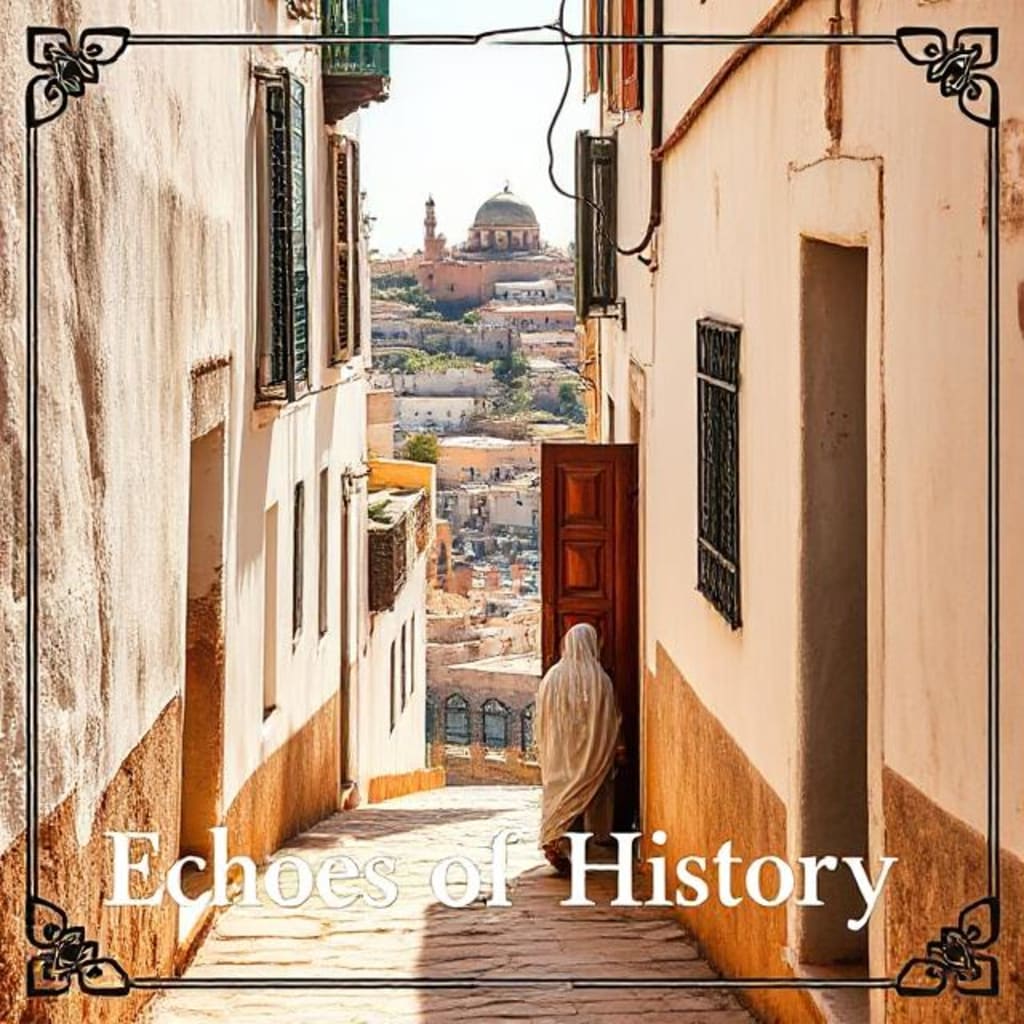
Nestled on the slopes of the Mediterranean coastline, the Kasbah of Algiers is a labyrinthine urban jewel that has stood for centuries as the heart and soul of Algeria’s capital. With its maze-like streets, Ottoman palaces, whitewashed houses, and centuries-old mosques, the Kasbah is more than just a historical district—it is a living monument that encapsulates Algeria’s complex and layered history.
Origins in Antiquity
The Kasbah’s story begins long before the rise of modern Algeria. The area was first settled by the Phoenicians, who established a trading post in the 4th century BCE. Later, the site grew under Roman rule as Icosium, a modest town built upon commerce and maritime activity. Though the Roman city was eventually destroyed during the Vandal and Byzantine eras, its remnants laid the foundation for future settlements.
In the 10th century, Berber dynasties began reconstructing the area as a fortified citadel. The word “Kasbah” itself derives from the Arabic “qasaba,” meaning fortress. By the early Middle Ages, the area had developed into a dense and self-contained city perched on a steep hill, overlooking the sea and protected by thick stone walls.
The Rise Under Ottoman Rule
The most significant chapter in the Kasbah’s history began in the early 16th century when the region fell under Ottoman influence. In 1516, the famous corsair brothers Aruj and Hayreddin Barbarossa expelled the Spanish and turned Algiers into a powerful base for the Ottoman Empire. Algiers was declared a regency of the empire and served as a key center of naval operations in the Mediterranean.
The Ottomans transformed the Kasbah into a sophisticated urban center. They built grand mosques, hammams (public baths), palaces, and administrative buildings. The most iconic structures from this period include:
Ketchaoua Mosque – Originally built in the 17th century, it was converted into a cathedral during French rule and restored again as a mosque after independence.
Dar Hassan Pacha – One of the largest and most beautiful Ottoman palaces in the Kasbah.
Sidi Ramdane Mosque – One of the oldest mosques in Algiers, known for its serene architecture and religious significance
Under the Ottomans, the Kasbah thrived as a center of commerce, governance, and culture. It was a melting pot of Turks, Moors, Berbers, and Africans, all contributing to its rich cultural fabric.
Colonial Disruption and French Rule
In 1830, the French invaded Algiers, marking the beginning of a long and tumultuous colonial period. The Kasbah, once the seat of Ottoman power, fell into decline as French authorities shifted political and economic control to the newly constructed European quarter along the coast.
The French demolished large parts of the Kasbah to make way for colonial buildings, roads, and infrastructure. While some Ottoman structures were preserved, others were destroyed or repurposed. The Ketchaoua Mosque, for instance, was turned into the Cathedral of St. Philippe, a symbol of colonial dominance.
Despite these efforts to reshape the city, the Kasbah remained a bastion of Algerian identity. Its narrow streets and tight-knit communities became hotbeds of resistance during the Algerian War of Independence (1954–1962). Fighters of the National Liberation Front (FLN) used the Kasbah’s twisting alleyways and hidden passageways to mount guerrilla operations against French forces. It was a central location in the infamous Battle of Algiers, a pivotal moment in the anti-colonial struggle.
Post-Independence Revival and UNESCO Status
After Algeria gained independence in 1962, the Kasbah was recognized not only as a symbol of resistance but also as a treasure of historical and architectural significance. However, decades of neglect, urban overcrowding, and lack of resources left the area in a vulnerable state.
In 1992, UNESCO designated the Kasbah of Algiers a World Heritage Site, citing its unique urban form, traditional Islamic architecture, and historical importance. This status has brought renewed attention and efforts toward preservation and restoration.
While challenges remain—such as crumbling buildings and the need for modern infrastructure—many local and international initiatives are working to protect the site. Restoration projects are slowly reviving the architectural beauty of its ancient palaces, mosques, and homes.
A Living Heritage
Today, the Kasbah of Algiers is more than just a historical relic. It is a vibrant community where families live, work, and worship amidst centuries of history. Children play in courtyards where Ottoman dignitaries once walked. Craftsmen continue age-old traditions of metalwork, leather, and textiles in small workshops.
Walking through the Kasbah is like stepping into a living museum. The sounds of the call to prayer echo through winding alleys. The scent of spices drifts from family kitchens. Life pulses through ancient stones.
For Algeria, the Kasbah is not just a past to remember—it is a living legacy, a symbol of resilience, cultural identity, and historical depth. In every stone and every street corner, the story of Algiers unfolds, reminding the world that history is not just something to study—it’s something to live.
About the Creator
Keep reading
More stories from Mukhtiar Ahmad and writers in History and other communities.
Elmina Castle Ghana’s Silent Fortress of Memory
On the southern coast of Ghana, facing the Atlantic Ocean, stands a whitewashed fortress with deep historical scars—Elmina Castle. Built over five centuries ago, it is Africa’s oldest European building still in existence. More than just a landmark, Elmina Castle is a haunting reminder of a dark chapter in world history: the transatlantic slave trade.
By Mukhtiar Ahmad9 months ago in History


Comments
There are no comments for this story
Be the first to respond and start the conversation.