
Elmina Castle Ghana’s Silent Fortress of Memory
A haunting symbol of trade, slavery, and colonial power
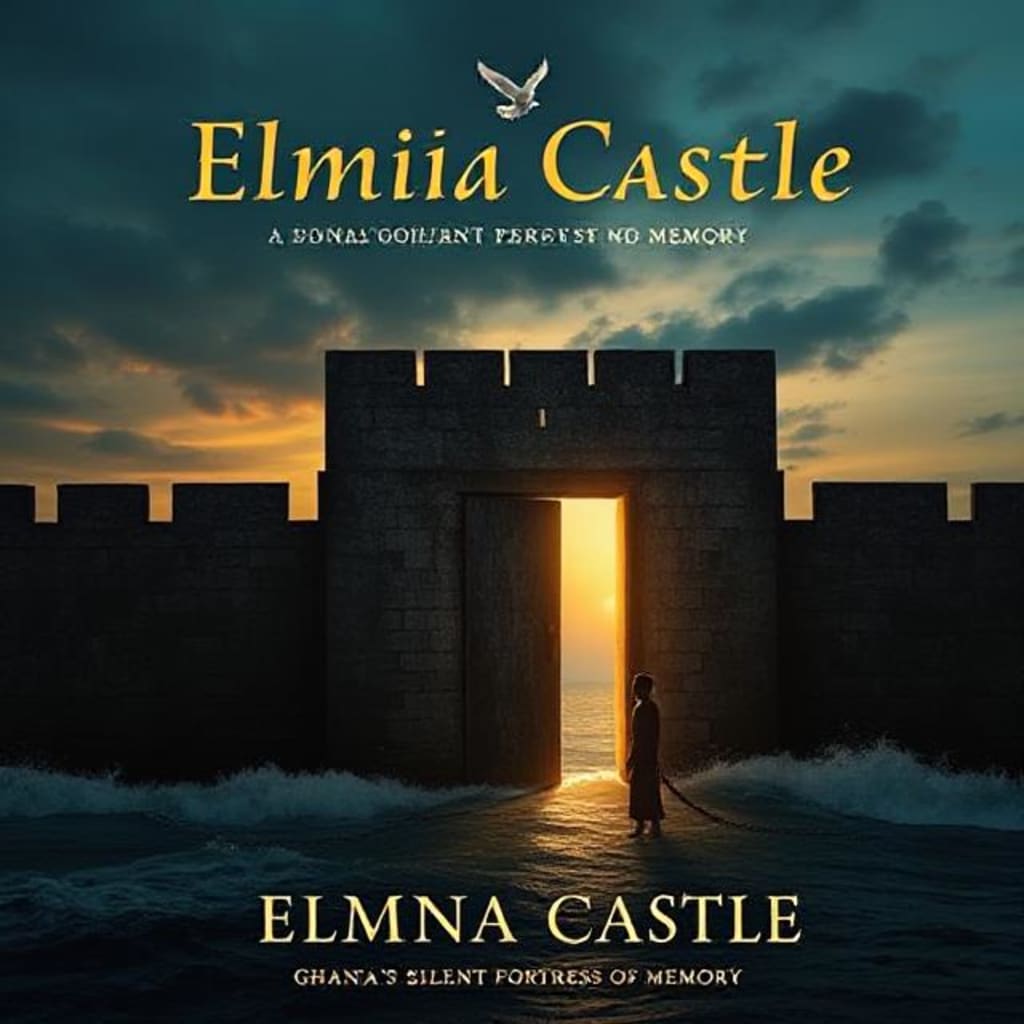
On the southern coast of Ghana, facing the Atlantic Ocean, stands a whitewashed fortress with deep historical scars—Elmina Castle. Built over five centuries ago, it is Africa’s oldest European building still in existence. More than just a landmark, Elmina Castle is a haunting reminder of a dark chapter in world history: the transatlantic slave trade.
This imposing structure has witnessed centuries of human suffering, colonial ambition, and global trade. Today, it serves as a somber monument, reminding visitors of the atrocities endured by millions and the resilience of those who survived.
Origins: A Portuguese Stronghold
Elmina Castle, originally named São Jorge da Mina, was constructed in 1482 by the Portuguese under the command of Diogo de Azambuja. Its primary purpose was to protect Portuguese interests in gold trading along the West African coast. The castle was strategically positioned near the gold-rich areas of present-day Ghana, making it a hub of economic activity for the Portuguese Empire.
The structure featured a series of towers, storerooms, dungeons, and high walls, all designed for defense and control. As European powers began to compete for dominance in West Africa, Elmina Castle became a coveted asset.
Shift to Slave Trade
In the 17th century, the Dutch took control of Elmina Castle after defeating the Portuguese in 1637. This shift marked a grim turning point. Under Dutch rule, the castle transformed from a trading post for gold and spices into a central node of the transatlantic slave trade.
Enslaved Africans were captured from inland regions, marched for days to the coast, and imprisoned within the castle’s dark, cramped dungeons. Thousands were held in brutal conditions, chained and starved, waiting to be loaded onto ships bound for the Americas. Many did not survive the ordeal.
Perhaps the most infamous part of Elmina Castle is the “Door of No Return.” This narrow exit led directly to the ships that would take enslaved people across the ocean, never to see their homeland again.
Life Inside the Castle
Elmina Castle was not only a prison for Africans but also a residence for European officials. While prisoners languished below in windowless dungeons, European governors and merchants lived in relative comfort above. The contrast between suffering and luxury under the same roof paints a harrowing picture of colonial cruelty.
Female captives were often subjected to sexual exploitation. Many were selected by European officials and brought upstairs to be assaulted. Those who resisted were punished harshly, including beatings and starvation.
The church inside the castle, situated above the male dungeon, adds another disturbing irony. While prayers and sermons echoed above, cries of agony rang out below. This juxtaposition speaks volumes about the moral contradictions of the time.
British Control and Abolition
In 1872, the British Empire acquired Elmina Castle from the Dutch. By this time, the transatlantic slave trade had been outlawed, but the castle remained a British administrative post until Ghana gained independence in 1957.
Though slavery was officially abolished, its legacy continued to affect the social and economic fabric of the region. Elmina Castle, stripped of its former power, became a relic of the past—but not one to be forgotten.
Preservation and Recognition
Today, Elmina Castle is a UNESCO World Heritage Site, drawing visitors from around the globe. Guided tours take people through the dungeons, courtyards, and governor’s chambers, offering a sobering educational experience. Many visitors, especially from the African diaspora, view the journey as a pilgrimage—a way to reconnect with ancestral roots and confront a painful history.
Ghana’s government and local communities have taken steps to preserve the castle and educate the world about its significance. Annual remembrance events, including the Emancipation Day celebrations, ensure that the memory of those who suffered is honored and kept alive.
Symbol of Reflection and Resilience
Elmina Castle stands today not only as a historical site but as a powerful symbol of reflection, resilience, and reconciliation. It urges us to confront the brutal truths of the past, understand their impact on the present, and work toward a more just future.
Though weathered by time and storm, the walls of Elmina Castle still speak. They echo with the voices of the lost, the cries of the oppressed, and the silence of a world that once turned a blind eye.
By walking through its gates, one walks through history—not just Ghana’s or Africa’s, but humanity’s. In remembering Elmina Castle, we remember the cost of injustice and the value of freedom.
About the Creator
Keep reading
More stories from Mukhtiar Ahmad and writers in History and other communities.
Robben Island. A Symbol of Suffering and Triumph in South African History
Robben Island, located about 7 kilometers off the coast of Cape Town in Table Bay, is one of South Africa’s most iconic landmarks. Though it is a small, windswept piece of land measuring just 5 square kilometers, its history has cast a long shadow over the nation. Once a place of isolation and punishment, today Robben Island stands as a powerful symbol of resilience, resistance, and the triumph of the human spirit.
By Mukhtiar Ahmad9 months ago in History
The Year 1960 in Review: Fun Facts, Trivia, and Historic Highlights
This quick read is a collection of fun facts, trivia, and historical events from the year 1960. Discover the year’s top news stories, most influential people, sports facts, historic firsts, entertainmentt rivia, and much more.
By Gregory DeVictor4 days ago in History
Thief In The Night
To the thief in the night that took and replicated what once was mine: Honestly, I feel kind of bad for you. It’s funny, because we hardly know each other. I only know of you through the magazines you’ve written and the broadcasts you have televised in the past — as well as through the public mentions of you from your show business connections there.
By Snarky Lisa7 days ago in Humans



Comments
There are no comments for this story
Be the first to respond and start the conversation.