
Ise Jingu: The Sacred Heart of Japan — Myths, Miracles, and Hidden Blessings
Where the sun goddess sleeps and silent prayers are heard.

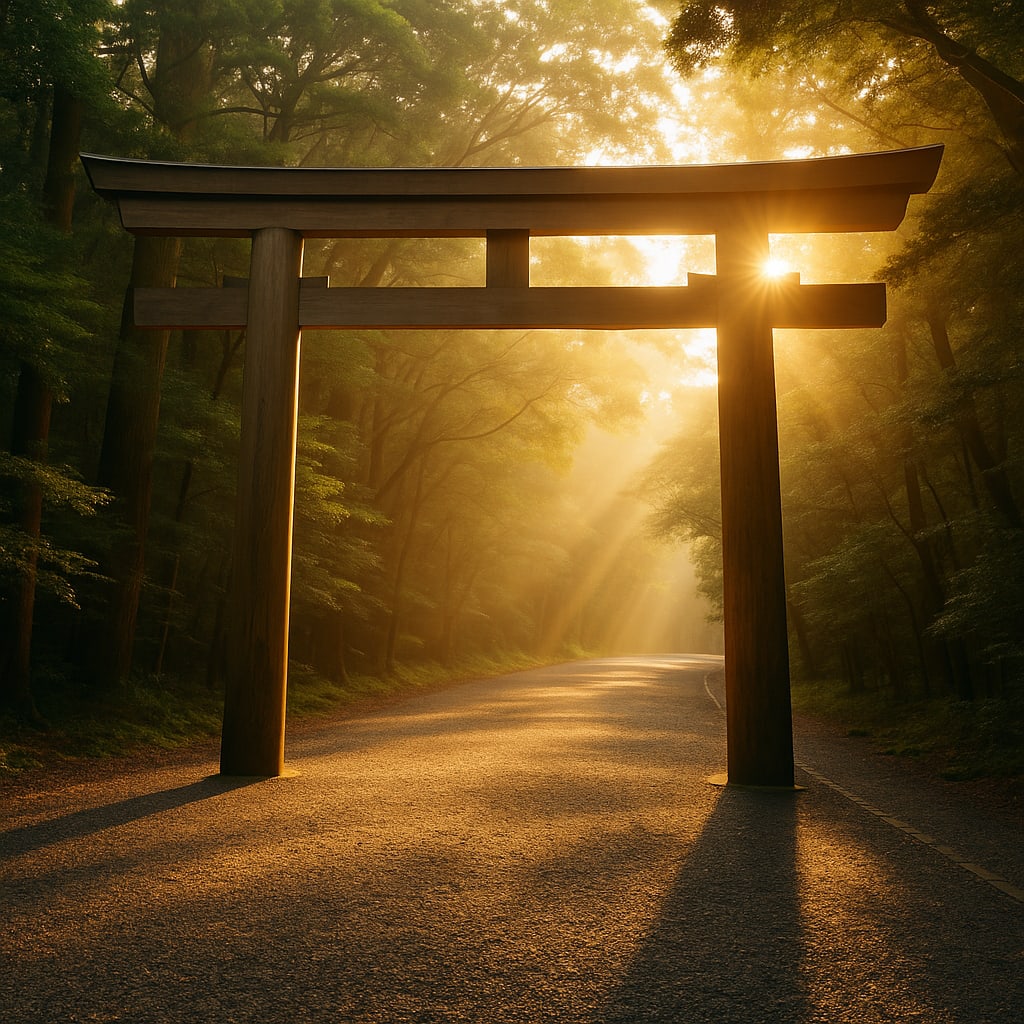
🏯 A Shrine Older Than Time
Tucked away in the serene forests of Ise City, Mie Prefecture, lies Ise Jingu (伊勢神宮)—Japan’s most sacred Shinto shrine. Known as the “Soul of Japan,” Ise is not a single shrine but a vast complex of over 125 smaller shrines, centered around two main ones:
• Naiku (Inner Shrine): Dedicated to Amaterasu Omikami, the sun goddess.
• Geku (Outer Shrine): Dedicated to Toyouke Omikami, the goddess of food, clothing, and shelter.
🗺 Location:
Ise City, Mie Prefecture, central Honshu, Japan
🚆 Access:
From Nagoya, it’s about 90 minutes via the Kintetsu Line. The most popular way is to travel to Iseshi Station or Ujiyamada Station, both within walking distance of the shrines.
⸻
🌞 The Goddesses Who Dwell Here
At the heart of Ise Jingu is Amaterasu, the Shinto goddess of the sun and universe. According to mythology, she is the direct ancestor of the Japanese imperial family, making this shrine not just religious, but royal in nature.
Nearby, the Outer Shrine (Geku) honors her divine provider, Toyouke, a goddess who ensures nourishment and daily life—symbolizing the balance of light and sustenance.
⸻
🙏 What Blessings Does Ise Offer?
Though many come simply to experience the atmosphere, Ise Jingu is believed to bring powerful spiritual benefits, including:
🌅 Inner Peace and Purification
The act of walking along the gravel paths through 1,000-year-old cypress forests is said to cleanse the soul. It’s a pilgrimage of the heart, not just the body.
👑 Ancestral Protection and Legacy
As the site connected to the Imperial lineage, Ise offers blessings of family longevity, heritage, and connection to tradition.
🌾 Basic Needs Fulfilled
At the Geku, visitors pray for prosperity in food, shelter, and livelihood—the very things that sustain life.
💫 New Beginnings
With the Shikinen Sengu (20-year rebuilding tradition), Ise teaches renewal, rebirth, and starting anew—blessings especially meaningful during life transitions.
⸻
🧭 How to Visit Ise Properly
If you’re planning a trip, keep these customs in mind:
1. Start with Geku, then proceed to Naiku—a traditional order of worship.
2. Bow at each torii gate before entering.
3. Wash your hands at the purification basin.
4. Offer coins and silently bow twice, clap twice, then bow again.
5. No selfies inside sacred zones—humility over hashtags.
💡 Best Time to Visit:
Spring or autumn, when nature is at its most vivid and the air feels especially sacred.
⸻
🛠 Did You Know…?
• The entire shrine is rebuilt every 20 years, including the mirror-holding sanctuary.
• The wood comes from sacred forests and is reused for other shrines across Japan.
• No nails are used—the architecture relies on precise, ancient woodwork methods.
⸻
🎴 More Than a Place—A Feeling
There are no massive statues or dramatic fireworks at Ise. Its magic lies in the whispers of the forest, the scent of ancient wood, and the invisible presence of something greater. It’s said that many leave with tears they can’t explain—a quiet emotional release.
⸻
✍️ Final Thought
Ise Jingu isn’t just a destination—it’s a living myth, a place where gods once walked, and where silence speaks louder than any prayer. If you find yourself in Japan, don’t just visit—listen.
⸻
About the Creator
Takashi Nagaya
I want everyone to know about Japanese culture, history, food, anime, manga, etc.
Keep reading
More stories from Takashi Nagaya and writers in History and other communities.
🏮 Strange but Fascinating: Bizarre Japanese Customs From History
Japan is known for its blend of ancient tradition and futuristic innovation. But beneath the cherry blossoms and neon lights lies a cultural history full of surprising, sometimes bizarre customs. These aren’t just old-fashioned quirks—they reveal deep beliefs about beauty, honor, shame, and even the supernatural.
By Takashi Nagaya6 months ago in History
Mestre Best: The Warrior Who Taught Restraint
In the mountain city of Valenor, there was a name spoken softly, almost with reverence—Mestre Best. No statues were built in his honor, no songs officially recorded his deeds, yet every fighter, scholar, and traveler knew the legend. Some said he was the greatest master of combat the world had ever seen. Others claimed he was a philosopher disguised as a warrior. The truth was more complex than either tale.
By The best writer a day ago in History
A massive underwater stone wall that is almost 7,000 years old is found by divers.
One of the buried stone monuments on Sein Island is a granite wall off Brittany that is more than 7,000 years old and the length of a football pitch. The discovery is being used by marine archaeologists in the vicinity of Île de Sein to explain how stone-built coastal villages predate the widespread spread of farming.
By Francis Dami6 days ago in History
Miss Persephone's Manual to a Seemingly Ordinary Life
Miss Persephone was found at the dining table, her blue eyes swollen, her tears arriving and retreating like the tides of the ocean. Earlier that day, her family had visited her in the retirement home where she had lived for eight years. It was her eightieth birthday.
By Imola Tóth4 days ago in Fiction



Comments
There are no comments for this story
Be the first to respond and start the conversation.