
Hyssop:
Bridging Ancient Wisdom and Modern Wellness

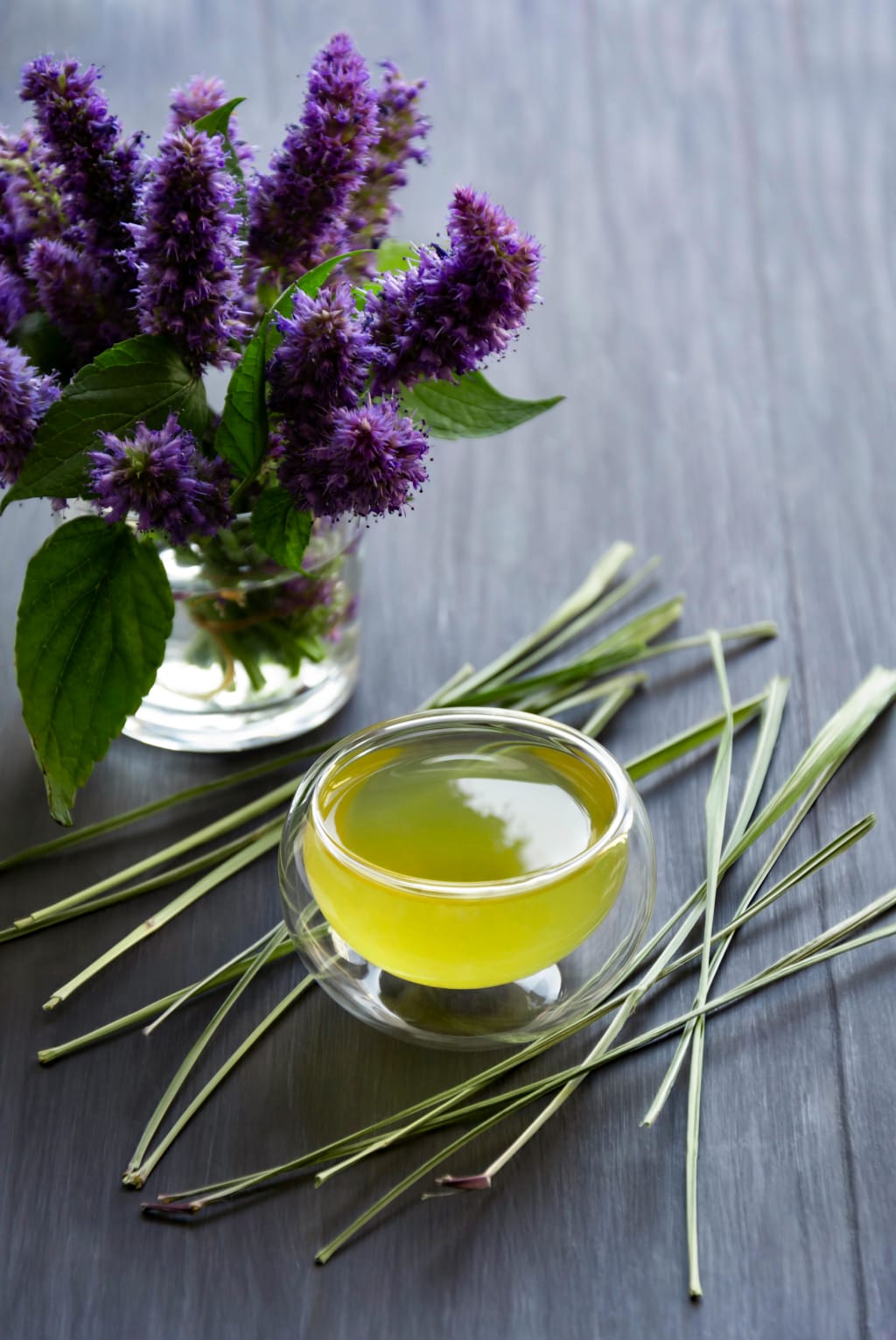
From the Bible’s sacred pages to today’s medicine cabinets, hyssop has stood the test of time with its healing properties and purification and cleansing aspects. Discover how hyssop was used in Biblical times in purification and cleaning rituals and how it offers health benefits today.
Hyssop in Biblical Times
Hyssop holds an important place in the Bible, it is mentioned for its cleansing and ceremonial uses. It appears mostly in Exodus, where it was used during the Passover. The Israelites used hyssop to apply lambs to their doorposts, signifying protection and purification.
“Then Moses called for all the elders of Israel and said to them, “Pick out and take lambs for yourselves according to your families, and kill the Passover lamb. And you shall take a bunch of hyssop, dip it in the blood that is in the basin, and strike the lintel and the two doorposts with the blood that is in the basin. And none of you shall go out of the door of his house until morning. For the Lord will pass through to strike the Egyptians; and when He sees the blood on the lintel and on the two doorposts, the Lord will pass over the door and not allow the destroyer to come into your houses to strike you” (Exodus 12:21–23., NKJV).
This herb is also mentioned in Psalms 51:7, for its purifying properties: “Purge me with hyssop, and I shall be clean; Wash me, and I shall be whiter than snow”. This was a prayer of repentance by King David after he went into Bathsheba.
Hyssop was used in a ritual for cleansing healed lepers in Leviticus 14, “…then the priest shall command to take for him who is to be cleansed two living and clean birds, cedar wood, scarlet, and hyssop. As for the living bird, he shall take it, the cedar wood and the scarlet and the hyssop, and dip them and the living bird in the blood of the bird that was killed over the running water” (Leviticus 14:4,6). In Leviticus 14:48–52, hyssop is mentioned regarding the Law concerning the leprous houses. “
“But if the priest comes in and examines it, and indeed the plague has not spread in the house after the house was plastered, then the priest shall pronounce the house clean, because the plague is healed. And he shall take, to cleanse the house, two birds, cedar wood, scarlet, and hyssop. Then he shall kill one of the birds in an earthen vessel over running water; and he shall take the cedar wood, the hyssop, the scarlet, and the living bird, and dip them in the blood of the slain bird and in the running water, and sprinkle the house seven times. And he shall cleanse the house with the blood of the bird and the running water and the living bird, with the cedar wood, the hyssop, and the scarlet. Then he shall let the living bird loose outside the city in the open field, and make atonement for the house, and it shall be clean. “This is the law for any leprous sore and scale, for the leprosy of a garment and of a house, for a swelling and a scab and a bright spot, to teach when it is unclean and when it is clean. This is the law of leprosy.”
Numbers 19:6 and 18, talk about using hyssop in purification rites which can also extend to cleansing rituals. “And the priest shall take cedar wood and hyssop and scarlet, and cast them into the midst of the fire burning the heifer. A clean person shall take hyssop and dip it in the water, sprinkle it on the tent, on all the vessels, on the persons who were there, or on the one who touched a bone, the slain, the dead, or a grave”.
Hyssop was also given to Jesus on the cross when he was dying on the cross. We can read in John 19:28–30, “After this, Jesus, knowing that all things were now accomplished, that the Scripture might be fulfilled, said, “I thirst!” Now a vessel full of sour wine was sitting there; and they filled a sponge with sour wine, put it on hyssop, and put it to His mouth. So when Jesus had received the sour wine, He said, “It is finished!” And bowing His head, He gave up His spirit” (NKJV).
According to the Zondervan KJV Commentary, vinegar, equivalent to cheap wine, was the drink of ordinary people. A sponge was a useful way of giving a drink to one on the cross. Affixed to a hyssop branch the sponge was lifted to Jesus. Hyssop could have been used due to the plant being associated with cleansing and sacrifice and Jesus was the sacrifice to our sins.
Hyssop in Modern Times
Modern-day herbalists and naturopaths recommend hyssop for its antiseptic, anti-inflammatory, and expectorant properties. Hyssop is used in essential oils, and supplements to support respiratory health, boost the immune system, and help with digestive discomfort and teas. People drink hyssop tea for its soothing effects on the throat and the digestive tract whereas one uses the essential oils to help relieve respiratory conditions and to reduce anxiety.
Hyssop is also used in gargles, medicinal baths, and creams (skin irritation, frostbite, and burns), and its fragrance is used in soaps and cosmetics.
Hyssop Tea
Ingredients:
- 2–3 teaspoons of hyssop loose tea
- 1 cup of hot water
Instructions:
- Boil water.
- Place the hyssop in a cup.
- Pour the hot water into the cup.
- Steep for 10–15 minutes
You can drink between 1–3 cups of hyssop tea a day. The leaves of the hyssop smell of licorice and mint when crushed and the oil and extracts are used in food as flavoring. Hyssop tea has been used to help with asthma, bloating, coughs, and earaches.
You can use hyssop as garnishes or use it in stocks and soups, cheeses, baked-in bread, and other foods. Women in Biblical times might have used this same herb in their foods as well.
Dosage:
There is not sufficient evidence to prove that hyssop is effective in these health problems more research needs to be done. At this time, there is not enough information as to the dosage one should take. It is always recommended to seek advice from your doctor or pharmacist before using hyssop.
Precautions:
It is recommended that if you are breastfeeding don’t use hyssop since there is not enough evidence to say that it is safe.
Do not use or take hyssop when pregnant for it could cause a miscarriage because it could cause the uterus to contract or start menstruation.
Hyssop’s journey from Biblical times to modern-day wellness is evidence of its enduring value. The role of the hyssop becomes more profound as we uncover the science behind this ancient herb. Whether you are using this herb for spiritual significance, its medicinal benefits, or just placing it in your garden this ancient herb continues to offer wisdom and healing across the ages.
This content is accurate and true to the best of the author’s knowledge and does not substitute for diagnosis, prognosis, treatment, prescription, and/or dietary advice from a licensed health professional. Drugs, supplements, and natural remedies may have dangerous side effects. If pregnant or nursing, consult with a qualified provider on an individual basis. Seek immediate help if you are experiencing a medical emergency.
About the Creator
Lisa Briskey
I love to write, crochet, and sew. I am a grandmother of two granddaughters.
Follow me on Medium: https://medium.com/@lisabriskey5
And support me on my Ko-fi: https://ko-fi.com/lisaj or https://ko-fi.com/lisabriskey
Keep reading
More stories from Lisa Briskey and writers in History and other communities.
Echoes of a Forgotten War: The Discovery of a Japanese POW’s Remains in the United States
The discovery of the remains of a Japanese prisoner of war (POW) from World War II on American soil has reopened a quiet chapter of history that many people never knew existed. More than seventy years after the end of the war, this unexpected finding has sparked renewed interest in the stories of Japanese soldiers who were captured, transported across the Pacific, and held in detention camps across the United States.
By Irshad Abbasi 3 days ago in History




Comments (4)
So so amazing .i love your content and subscribed. Kindly reciprocate by subscribing to me also . thank you and keep it up
Awesome piece
Amazing, the herb's role in purification rituals resonates through time. Impressive job, love your works, subscribed, thank you very much for sharing!
It is wonderful Lisa.