
How to Plan the Perfect Egypt Tour
A Step-by-Step Guide
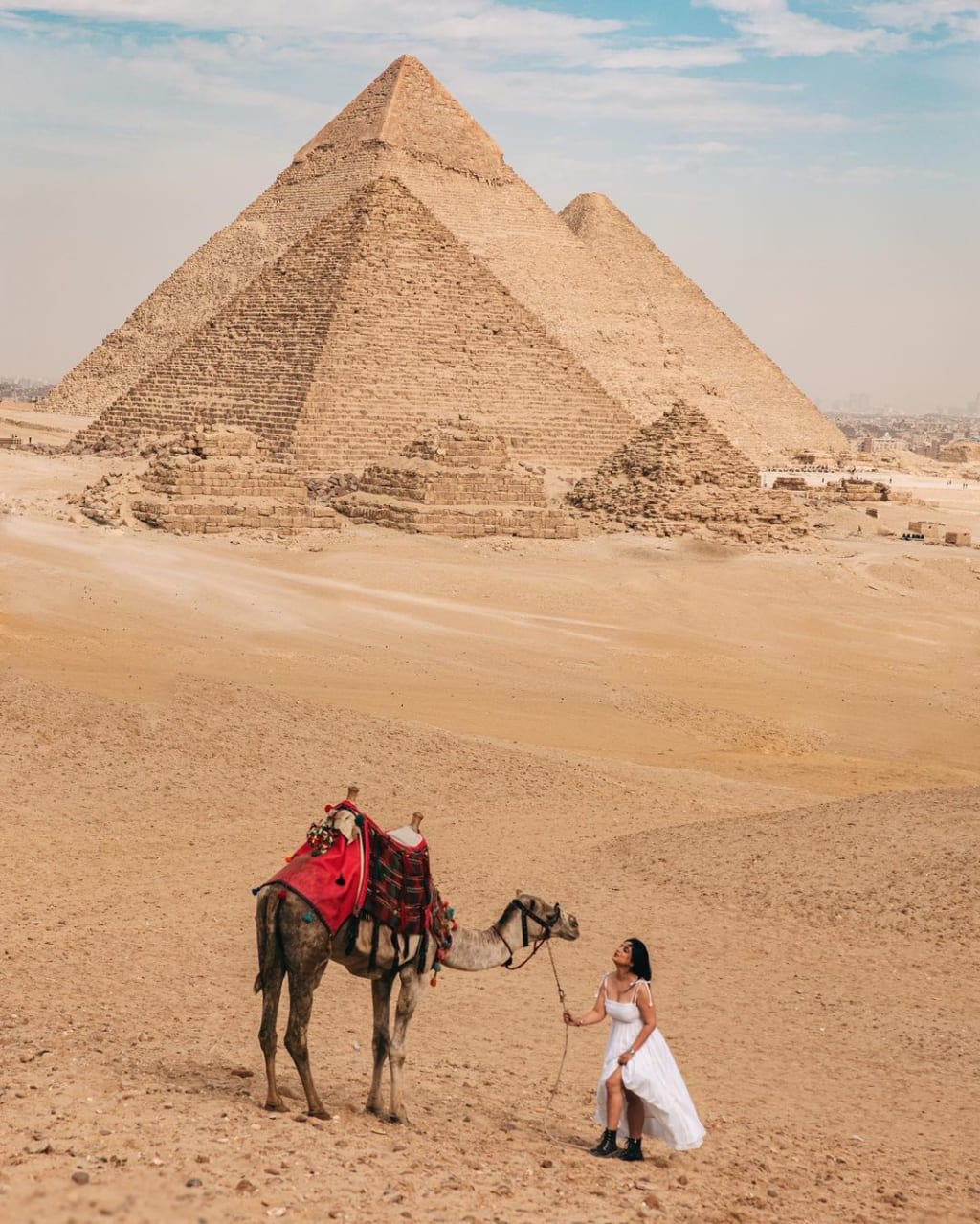
Planning a trip to Egypt can be both exciting and overwhelming. With so many iconic landmarks, cultural experiences, and adventure opportunities, it’s essential to organize your trip carefully to make the most of your time. Whether you’re dreaming of exploring the Pyramids of Giza, cruising the Nile, or diving in the Red Sea, this step-by-step guide will help you plan the perfect Egypt tour.
Step 1: Decide When to Visit
The first step in planning your Egypt tour is choosing the best time to visit. Egypt’s climate varies significantly, so timing your trip can greatly impact your experience.
Best Time to Visit: October to April (mild weather, ideal for sightseeing).
Shoulder Seasons: March to May and September to November (fewer crowds, pleasant weather).
Summer: June to August (hot temperatures, but great for Red Sea resorts and budget travel).
Consider local events and festivals, such as Ramadan or the Abu Simbel Sun Festival, when planning your dates.
Step 2: Obtain a Visa and Check Entry Requirements
Most travelers to Egypt need a visa to enter the country. Here’s how to get one:
Visa on Arrival: Available for many nationalities at major airports (cost: around $25 USD).
E-Visa: Apply online before your trip for convenience.
Check Passport Validity: Ensure your passport is valid for at least six months from your entry date.
Also, check if any vaccinations or COVID-19-related requirements are in place before traveling.
Step 3: Plan Your Itinerary
Egypt has so much to offer, so it’s important to prioritize your must-see destinations and activities. Here’s a sample 10-day itinerary:
Days 1-3: Cairo
Visit the Pyramids of Giza, the Sphinx, and the Egyptian Museum.
Explore Islamic Cairo and the Khan El Khalili Bazaar.
Days 4-6: Luxor
Discover Karnak Temple, Luxor Temple, and the Valley of the Kings.
Take a hot air balloon ride at sunrise.
Days 7-8: Aswan
Visit the Philae Temple and the Unfinished Obelisk.
Take a felucca ride on the Nile.
Days 9-10: Red Sea (Hurghada or Sharm El Sheikh)
Relax on the beach or go snorkeling and diving.
For longer trips, consider adding destinations like Alexandria, Siwa Oasis, or Abu Simbel.
Step 4: Book Flights and Accommodation
Once your itinerary is set, book your flights and accommodation.
Flights: Look for deals on international flights to Cairo or Hurghada. Domestic flights within Egypt are affordable and save time.
Accommodation: Choose from luxury hotels, budget hostels, or unique stays like Nubian guesthouses or desert camps.
Book in advance, especially during peak season (October to April), to secure the best options.
Step 5: Arrange Transportation
Getting around Egypt is relatively easy, but planning ahead will save you time and stress.
Domestic Flights: Ideal for long distances (e.g., Cairo to Aswan or Luxor).
Trains: A budget-friendly option for traveling between major cities.
Nile Cruises: A popular way to travel between Luxor and Aswan.
Taxis and Ride-Hailing Apps: Uber and Careem are widely available in cities like Cairo and Alexandria.
For desert adventures or remote areas, consider hiring a private driver or joining a guided tour for your Egypt tour packages.
Step 6: Pack Smart
Packing the right items will ensure a comfortable and enjoyable trip. Here’s a checklist:
Clothing: Lightweight, breathable fabrics for daytime; a jacket or sweater for cooler evenings.
Footwear: Comfortable walking shoes for sightseeing and sandals for the beach.
Sun Protection: Sunscreen, sunglasses, and a wide-brimmed hat.
Travel Adapter: Egypt uses Type C and F plugs (220V).
Reusable Water Bottle: Stay hydrated while reducing plastic waste.
Modest Clothing: For visiting religious sites (cover shoulders and knees).
Step 7: Learn Basic Arabic Phrases
While many Egyptians speak English, learning a few Arabic phrases can enhance your experience and help you connect with locals.
Hello: Marhaba
Thank you: Shukran
Yes: Na’am
No: La
How much?: Bikam?
Even a simple effort to speak Arabic will be appreciated by locals.
Step 8: Respect Local Customs and Etiquette
Egypt is a conservative country, so it’s important to be mindful of cultural norms.
Dress Modestly: Especially in rural areas and religious sites.
Ask for Permission: Before taking photos of people.
Bargain Politely: Haggling is expected in markets, but do so respectfully.
Tipping: It’s customary to tip service providers like guides, drivers, and waiters.
Step 9: Stay Safe and Healthy
Egypt is generally safe for tourists, but it’s always good to take precautions.
Stay Hydrated: Drink bottled water and avoid tap water.
Use Reputable Guides: For historical sites and desert adventures.
Keep Valuables Secure: Be mindful of pickpockets in crowded areas.
Travel Insurance: Ensure you’re covered for medical emergencies and trip cancellations.
Step 10: Embrace the Adventure
Finally, be open to new experiences and embrace the adventure. Egypt is a land of surprises, from the warmth of its people to the awe-inspiring beauty of its landscapes. Whether you’re marveling at ancient temples, sailing the Nile, or diving in the Red Sea, let the magic of Egypt captivate you.
Final Thoughts
Planning the perfect Egypt tour requires careful preparation, but the rewards are well worth the effort. By following this step-by-step guide, you’ll be ready to explore this incredible country with confidence and ease. From the timeless wonders of the pharaohs to the vibrant culture of modern Egypt, your journey promises to be an unforgettable adventure.
With this guide, you’re now equipped to plan your dream trip to Egypt. Whether you’re a history buff, an adventure seeker, or a culture enthusiast, Egypt has something for everyone. Happy travels!
About the Creator
Keep reading
More stories from writers in History and other communities.
Julius Caesar: Strategy and Charisma
History has produced many brilliant commanders and countless ambitious politicians, but few individuals have fused strategy and charisma as completely as Julius Caesar. Others ruled through fear, tradition, or divine claims. Caesar ruled through belief. Men followed him not merely because he commanded armies, but because he convinced them—emotionally, psychologically, and symbolically—that his success was their destiny.
By Fred Bradford3 days ago in History
Trouble at the Tea Leafing Café
The rain had started right around the time that Annie was buttering her second thick slice of homemade toast for breakfast, and hadn’t paused since. Not that anyone could tell. The windows of the café were fogged over, and with every seat filled with happy customers munching on fresh baked pastries or steaming bowls of the delicious soup of the day, it was hardly surprising. Annie looked around the room, finally taking a moment to breathe after the lunch time rush. Her old life already felt like a bad memory, a part of her history, always, but just that. History.
By Hannah Mooreabout 18 hours ago in Fiction




Comments
There are no comments for this story
Be the first to respond and start the conversation.