
How Kamakshi Amman Temple Inspires Tamil Classical Music and Dance?
Exploring the Temple’s Influence on Carnatic Music and Bharatanatyam Performances Dedicated to the Goddess
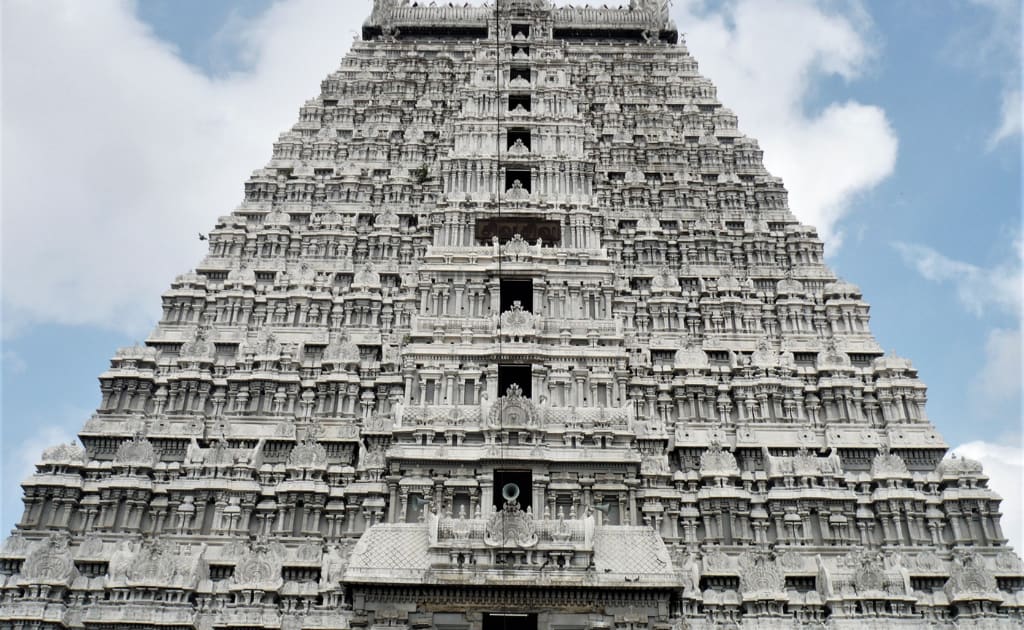
Introduction: The Divine Intersection of Devotion and Art
Kamakshi Amman Temple, located in the spiritual heart of Kanchipuram, Tamil Nadu, has been a profound source of inspiration for generations of musicians, dancers, and artists. The divine energy emanating from Sri Kamakshi Ambal, the goddess at the center of the temple, has not only enriched the spiritual lives of its devotees but also deeply influenced the cultural landscape of Tamil Nadu, especially in the realms of Carnatic music and Bharatanatyam.
These two classical art forms, both deeply rooted in Tamil culture, have long been an integral part of temple worship. At Kamakshi Amman Temple, the powerful connection between devotion and art is evident, as musicians and dancers offer their performances as an expression of love and reverence toward the goddess. In this article, we will explore how Kamakshi Amman Temple has inspired and shaped Carnatic music and Bharatanatyam dance performances that continue to honor the goddess today.
1. Kamakshi Amman Temple and the Roots of Carnatic Music
Carnatic music, one of the oldest systems of classical music in India, is deeply intertwined with spirituality and devotion. Kamakshi Amman Temple, being one of the most revered temples in Tamil Nadu, has played an essential role in the development and evolution of Carnatic music. The temple is not only a center of worship but also a place where music is offered as an act of devotion.
- Musical Offerings to the Goddess: Over the centuries, devotional compositions have been written in praise of Sri Kamakshi Ambal. The great composers of the Bhakti tradition, such as Purandaradasa, Tyagaraja, and Muthuswami Dikshitar, composed kritis (devotional songs) specifically dedicated to the goddess Kamakshi. These compositions, filled with reverence and divine grace, form an essential part of the Carnatic music repertoire.
- Sacred Music and Divine Energy: The rituals and poojas at Kamakshi Amman Temple, which often involve the recitation of musical prayers, offer musicians an opportunity to connect with the divine through their art. For centuries, Carnatic musicians have been performing ragas (musical scales) and tala (rhythmic cycles) at the temple, turning their music into a form of worship. The temple’s rich cultural environment encourages a sense of spiritual transcendence through music, where the musician’s soul merges with the divine.
- Inspiring Composers and Performers: Kamakshi Amman Temple’s spiritual ambiance continues to inspire modern-day composers and performers in the world of Carnatic music. The composition of kritis dedicated to Kamakshi has been passed down through generations, with prominent figures like Sri Kanchipuram Naina Pillai and S. R. Janakiraman drawing inspiration from the goddess’s divine presence for their compositions.
2. Bharatanatyam: Dance as Devotion to Kamakshi
Bharatanatyam, one of the most classical forms of Indian dance, is another art form heavily influenced by Kamakshi Amman Temple. This dance form, which combines rhythm, expressions, and spiritual storytelling, has long been a way for dancers to express their devotion to the goddess through movement and abhinaya (expression).
- The Role of Temples in Bharatanatyam: Bharatanatyam has its origins in the temple traditions of Tamil Nadu. In ancient times, the temple dancers, known as Devadasis, would perform dances as offerings to the deities during temple rituals. At Kamakshi Amman Temple, these performances were designed to glorify the goddess, showcasing stories from her mythology, her virtues, and her divine powers through graceful movement and expression.
- Traditional Stories Through Dance: Kamakshi Amman Temple has inspired Bharatanatyam performances that narrate stories from the goddess's life, such as her marriage to Lord Shiva, her cosmic role in restoring balance, and her role as a protector and nurturer. These dances bring alive the essence of Kamakshi’s divine energy, and dancers use expressions and gestures to connect spiritually with the goddess.
- Spiritual Dance Offerings: Bharatanatyam dancers perform varnam, padams, and tillanas (traditional dance pieces), where each movement is an offering to the goddess Kamakshi. The intricate steps, poses, and mudras (hand gestures) represent devotion and a plea for blessings from Kamakshi. The temple continues to be a venue where Bharatanatyam is performed not only as art but as an expression of divine connection.
3. Kamakshi Amman Temple as a Center for Cultural Preservation
The temple does more than just inspire individual performances; it has been an important center for the preservation of cultural traditions. Kamakshi Amman Temple has been the setting for countless festivals, where the combined energies of music and dance come together to create an environment of divine celebration.
- Festivals That Celebrate Music and Dance: Kamakshi Amman Temple hosts vibrant festivals like Chithirai and Navaratri, where musicians and dancers come together to offer their art to the goddess. During these festivals, artists perform classical music concerts and dance recitals, showcasing their deep devotion to Kamakshi while keeping Tamil classical traditions alive.
- Cultural and Spiritual Education: The temple also serves as a space for spiritual education, where young performers are trained in the classical arts of Carnatic music and Bharatanatyam. The performances that take place within the temple walls not only honor the goddess but also help preserve the cultural heritage of Tamil Nadu. By providing a stage for both experienced and emerging artists, the temple continues to support the growth of these traditions.
4. Kamakshi Amman Temple and the Integration of Music and Dance
What sets Kamakshi Amman Temple apart is the seamless integration of Carnatic music and Bharatanatyam dance. The rhythmic compositions of the music are beautifully complemented by the fluid movements of the dance. This integration allows both art forms to enhance each other, creating an atmosphere where both the spiritual and artistic aspects of devotion merge into a holistic experience.
Dance as Music, Music as Dance: In many performances at Kamakshi Amman Temple, Bharatanatyam dancers perform to Carnatic music compositions, with movements reflecting the emotions and themes conveyed through the songs. This synergy between music and dance creates a dynamic expression of devotion and spiritual storytelling that elevates the devotional experience for the temple’s visitors.
Conclusion: Kamakshi Amman Temple—A Divine Catalyst for Art
Kamakshi Amman Temple remains a powerful source of inspiration for both Carnatic music and Bharatanatyam. Through its deep spiritual connection with the goddess Kamakshi, the temple has provided generations of musicians and dancers with a platform to express their devotion through the arts. This unique blend of spirituality and creativity continues to thrive at the temple, with each performance serving as both an offering and a celebration of divine energy.
The influence of Kamakshi Amman Temple on Tamil classical music and dance is a testament to the profound relationship between devotion and art. The temple not only preserves these ancient art forms but also serves as a living testament to how music and dance can bring people closer to the divine while keeping Tamil cultural heritage alive for future generations.
About the Creator
Keep reading
More stories from Sri Kamakshi Ambal Temple and writers in History and other communities.
Kamakshi Amman Temple: What Makes It a Unique Pilgrimage Destination
Introduction: A Sacred Pilgrimage Destination in the Heart of South India Kamakshi Amman Temple, located in the spiritual city of Kanchipuram, Tamil Nadu, stands as one of the most revered and ancient pilgrimage destinations in India. With its deep-rooted history, rich mythology, and divine energy, the temple attracts spiritual seekers and devotees from around the world. But what makes Kamakshi Amman Temple truly unique compared to other temples in India?
By Sri Kamakshi Ambal Temple11 months ago in History
Reform or Replace? The Future of Global Governance
Reform or Replace? The Future of Global Governance Global governance stands at a critical crossroads. Institutions created after World War II—especially the United Nations—were designed to prevent another global catastrophe. For decades, they provided platforms for dialogue, coordination, and conflict management. But today, many people question whether these institutions still work as intended. The growing debate is no longer just about reform. It is about whether global governance should be repaired or replaced entirely.
By Wings of Time 5 days ago in History
Wealth Reserves and Economic Power of the Madurai Rulers during the First Sangam Age
The Madurai rulers of the Sangam Age possessed immense wealth derived from trade, agriculture, tribute, and natural resources, making them among the richest monarchs of ancient India.
By Say the truth a day ago in History


Comments
There are no comments for this story
Be the first to respond and start the conversation.