

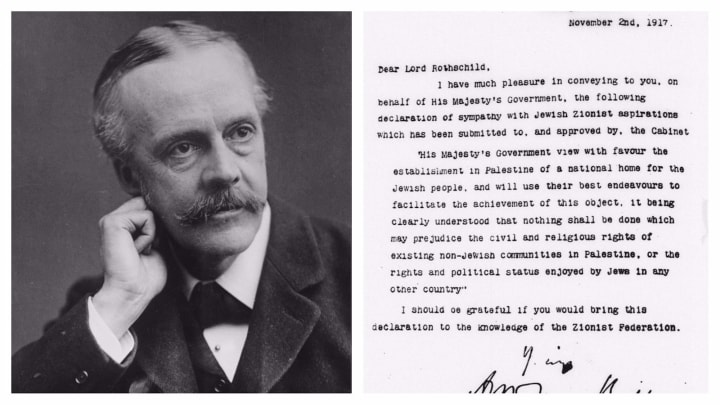
On November 2, 1917, British Foreign Secretary Arthur Balfour penned a letter that would have profound consequences for the Middle East. The Balfour Declaration declared Britain's support for the establishment of a Jewish homeland in Palestine. At the time, 90% of Palestine's inhabitants were non-Jewish, mostly Arabs. Within three decades, the region underwent significant upheaval, leading to the creation of the State of Israel and the displacement of many Palestinians. Here's a simplified overview of the events that led to this dramatic transformation.
1. The Context of the Balfour Declaration
During World War I, Britain was engaged in complex diplomatic maneuvers to secure alliances and undermine its enemies. Among these efforts were several key promises made to various parties, each with its own implications for the post-war geopolitical landscape.
The Balfour Declaration was a pivotal promise made by Britain to the Jewish community. In a letter addressed to Baron Rothschild, a prominent Jewish figure, British Foreign Secretary Arthur Balfour stated that the British government viewed with favor the establishment of a “national home for the Jewish people” in Palestine. This declaration was significant as it represented Britain's commitment to supporting the Zionist movement's goal of creating a Jewish state in Palestine, a region that was predominantly Arab at the time.
In a parallel diplomatic effort, Britain entered into a series of letters with Sharif Hussein bin Ali of Mecca, known as the McMahon-Hussein Correspondence. In these letters, Britain promised Sharif Hussein, the leader of the Arab nationalist movement, independence for Arab lands in the Middle East if they supported Britain against the Ottoman Empire. Specifically, Britain promised the Arabs the territories of the Ottoman Empire, including parts of modern-day Syria, Iraq, and the Arabian Peninsula, in exchange for their revolt against Ottoman rule.
At the same time as the McMahon-Hussein Correspondence, Britain and France negotiated the Sykes-Picot Agreement, which was a secret deal outlining their post-war spheres of influence in the Middle East. This agreement proposed that Palestine, along with other territories, be placed under international administration, while other parts would fall under direct British or French control. This agreement contradicted the promises made to the Arabs, as it suggested that Palestine would not be fully independent but rather under shared international or European oversight.
The Balfour Declaration was part of a broader strategy to gain Jewish support for the Allied cause, including lobbying for American Jewish support to influence U.S. policy. It was also intended to counter the influence of Germany and its allies by presenting a progressive stance on the Jewish question. The declaration was a crucial element of British diplomacy, aiming to secure a foothold in the Middle East while addressing various internal and external pressures.
The promises made in the McMahon-Hussein Correspondence and the Sykes-Picot Agreement were in direct contradiction with the Balfour Declaration. While Britain promised Arabs independence, the Sykes-Picot Agreement indicated continued European control. The Balfour Declaration, meanwhile, committed to a Jewish homeland in a region where the Arab population was the majority. These conflicting promises laid the groundwork for future tensions and conflicts in the Middle East, as the expectations of different groups clashed with the realities imposed by imperial ambitions.
2. Zionism and Its Influence

Zionism is a political and nationalist movement that emerged in the late 19th century with the goal of establishing a Jewish homeland in Palestine. Its origins are rooted in a combination of historical, cultural, and political factors that shaped Jewish identity and aspirations during this period.
The roots of Zionism can be traced back to the growing sense of Jewish nationalism in Europe during the 19th century. This period saw increasing anti-Semitism and pogroms, particularly in Eastern Europe, which highlighted the need for a safe haven for Jews. The movement was also influenced by the broader trend of nationalism sweeping across Europe, where various ethnic groups sought self-determination and sovereignty.
Theodor Herzl, an Austrian journalist and playwright, became a central figure in the Zionist movement. Herzl's seminal work, Der Judenstaat ("The Jewish State"), published in 1896, was a key text in articulating the Zionist vision. In the book, Herzl proposed that the only solution to anti-Semitism and the Jewish question was the establishment of a Jewish state. His ideas were driven by his observation of the pervasive and persistent anti-Semitism in Europe, which he believed could only be addressed through the creation of a national homeland for Jews.
The influence of Herzl's ideas led to the convening of the First Zionist Congress in 1897 in Basel, Switzerland. This congress was a pivotal moment for the Zionist movement, where Herzl and other Jewish leaders formalized the goal of establishing a Jewish homeland in Palestine. The Congress established the World Zionist Organization (WZO) and set out a program that included promoting Jewish immigration to Palestine, fostering Jewish settlement, and advocating for international recognition of a Jewish homeland. Herzl's leadership and the First Zionist Congress marked the beginning of organized Zionism, which gained momentum in the early 20th century. The movement attracted support from Jews worldwide, as well as influential political figures, and laid the groundwork for future developments in the quest for a Jewish state.
3. The British Mandate and Zionist Immigration
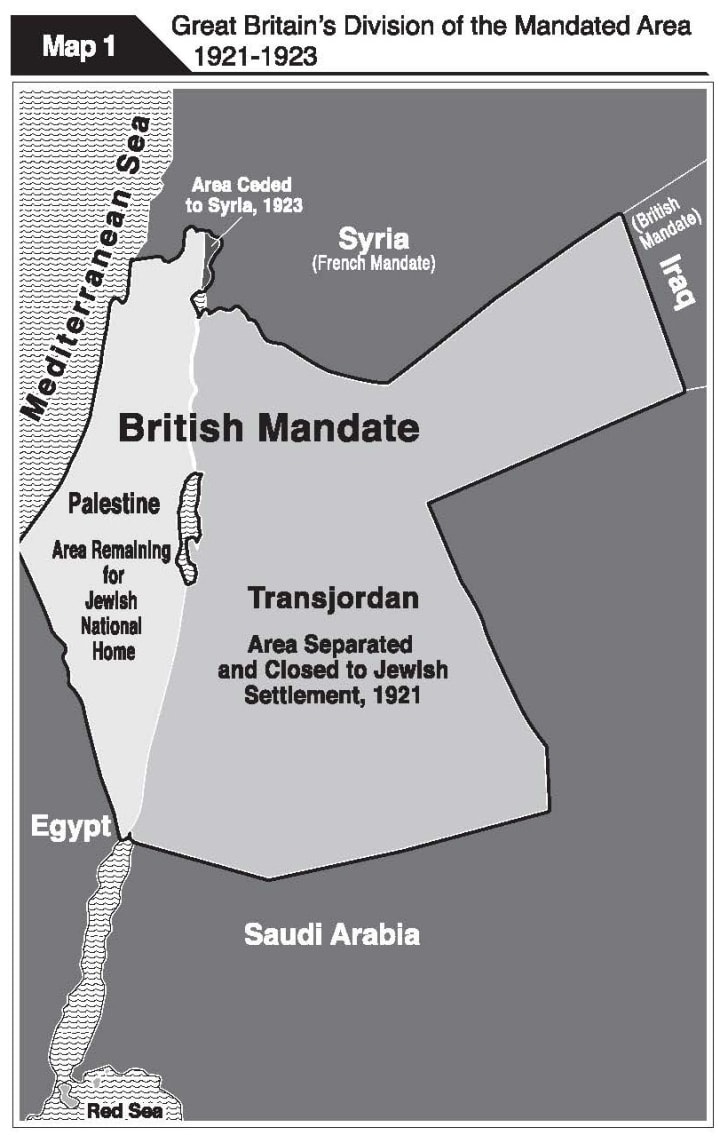
After World War I, the League of Nations implemented the Mandate System to govern territories formerly under Ottoman control, including Palestine. Britain was granted the mandate over Palestine, with the responsibility to administer the territory and guide it towards eventual self-governance. The Balfour Declaration, which promised the establishment of a Jewish homeland in Palestine, was incorporated into the mandate's terms.
This endorsement of Zionism by the British government spurred increased Jewish immigration to Palestine. Jewish organizations and individuals, motivated by the Zionist vision, began moving to Palestine in larger numbers. They established new communities, developed infrastructure, and purchased land, which significantly altered the demographic and social landscape of the region. The influx of Jewish immigrants was met with growing resistance from the Arab majority in Palestine, who saw the influx as a threat to their land and livelihoods. Tensions between Jewish settlers and Palestinian Arabs increased, leading to conflicts and unrest. The British administration found itself caught between these opposing forces, struggling to manage the expectations and demands of both the Zionist movement and the Arab population.
4. The Growing Tensions
As Jewish immigration to Palestine increased during the British Mandate, so did tensions between the new Jewish communities and the local Arab population. The demographic shift and land acquisition by Jewish settlers fueled fears among Palestinians about their future and sovereignty. Conflicts over land, resources, and political power became more frequent, leading to a deteriorating situation. In 1936, the tensions erupted into a full-scale revolt by Palestinians, known as the Arab Revolt. The uprising was driven by widespread discontent with British rule and increasing Zionist settlement. Palestinians protested against both the British administration and the Jewish presence, which they viewed as undermining their national aspirations and rights. The revolt involved strikes, demonstrations, and violent clashes with both British authorities and Jewish settlers. In response to the growing unrest, the British government implemented severe measures to suppress the revolt. These included mass arrests, collective punishment, and military actions that resulted in numerous casualties and widespread suffering among the Palestinian population. The British authorities also conducted extensive raids and reprisals, exacerbating the cycle of violence.
To address the escalating conflict, Britain commissioned the Peel Commission in 1937 to investigate and propose a solution. The commission's report recommended the partition of Palestine into separate Jewish and Arab states, with a small international zone around Jerusalem. The plan aimed to resolve the conflict by allocating territory based on demographic distribution. The Peel Commission's proposal was met with mixed reactions. The Zionists accepted the plan, seeing it as a step toward the realization of their national goals. However, the Palestinians and the broader Arab world rejected it, arguing that it unjustly favored the Jewish population and disregarded the rights of the Arab majority. The rejection of the partition plan led to continued unrest and violence, setting the stage for further conflict in the region.
5. World War II and the Aftermath
World War II and the Holocaust significantly intensified the urgency for establishing a Jewish homeland. The horrific genocide of six million Jews during the Holocaust underscored the dire need for a safe haven for Jewish survivors. As the war drew to a close, many Holocaust survivors, having lost everything, sought refuge in Palestine, which they saw as their only viable sanctuary.
The influx of Jewish refugees into Palestine created a new set of challenges. The British authorities, already strained by the global conflict and facing increasing unrest in their colonies, were determined to restrict Jewish immigration to avoid further destabilizing the region. They imposed strict quotas and limitations on Jewish entry, which fueled tensions and led to direct confrontations between the British and Jewish immigrant groups. The Zionist movement, meanwhile, was strengthened by the wartime experiences and the newfound international sympathy for the Jewish cause. Zionist leaders leveraged the post-war situation to bolster their position. They intensified their efforts to secure support from global powers and rallied Jewish communities worldwide to back their cause. Additionally, Zionist militias, such as the Haganah, had grown considerably in strength and experience, having drawn on the military knowledge gained during the war.
With Britain weakened by the war and struggling with economic and political strains, the Zionists saw an opportunity to press their demands more aggressively. They increased their military actions against both British forces and Arab targets, aiming to establish a foothold before Britain could fully withdraw. The escalating violence and the Zionist campaign for an independent Jewish state created mounting pressure on the British government. By 1947, Britain, exhausted and unable to resolve the mounting conflict, announced its intention to relinquish its mandate over Palestine. The British government turned to the newly formed United Nations to address the issue, setting the stage for a pivotal moment in the region's history. The urgency and the backdrop of World War II had significantly altered the dynamics, propelling the Zionist movement towards the eventual establishment of the State of Israel.
6. The UN Partition Plan and the Creation of Israel
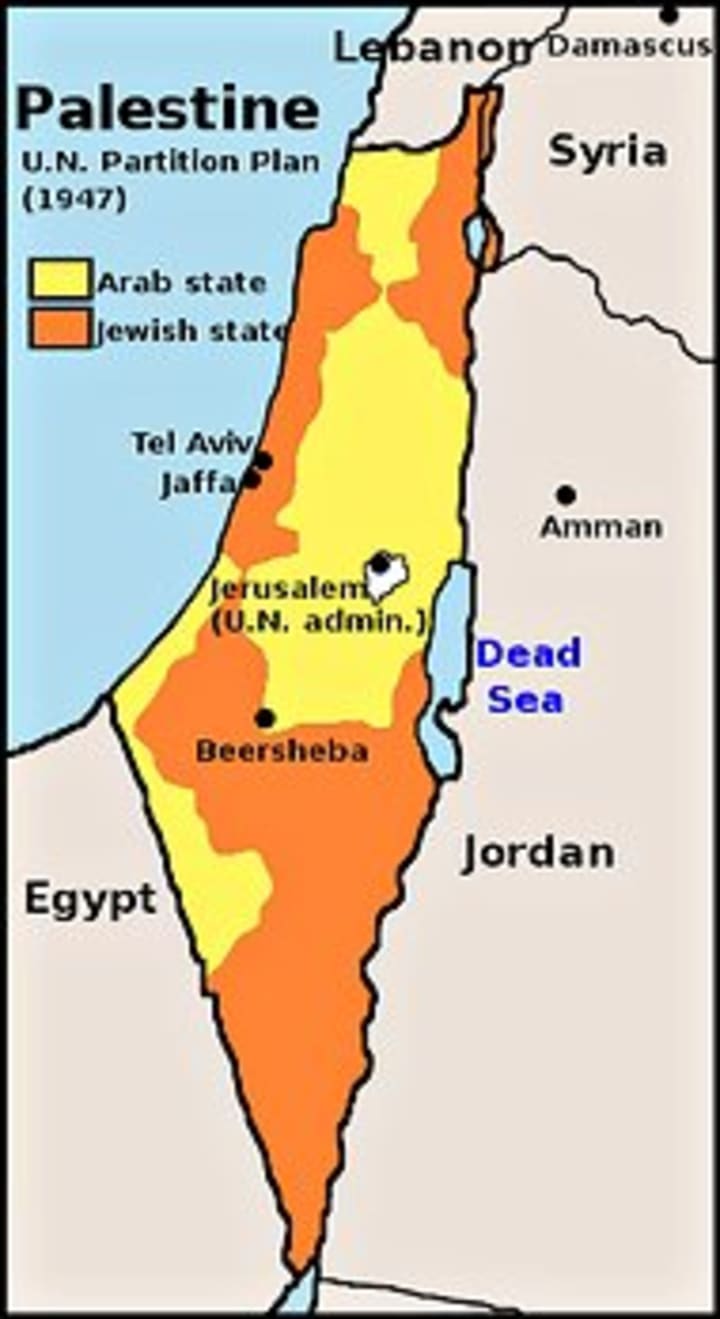
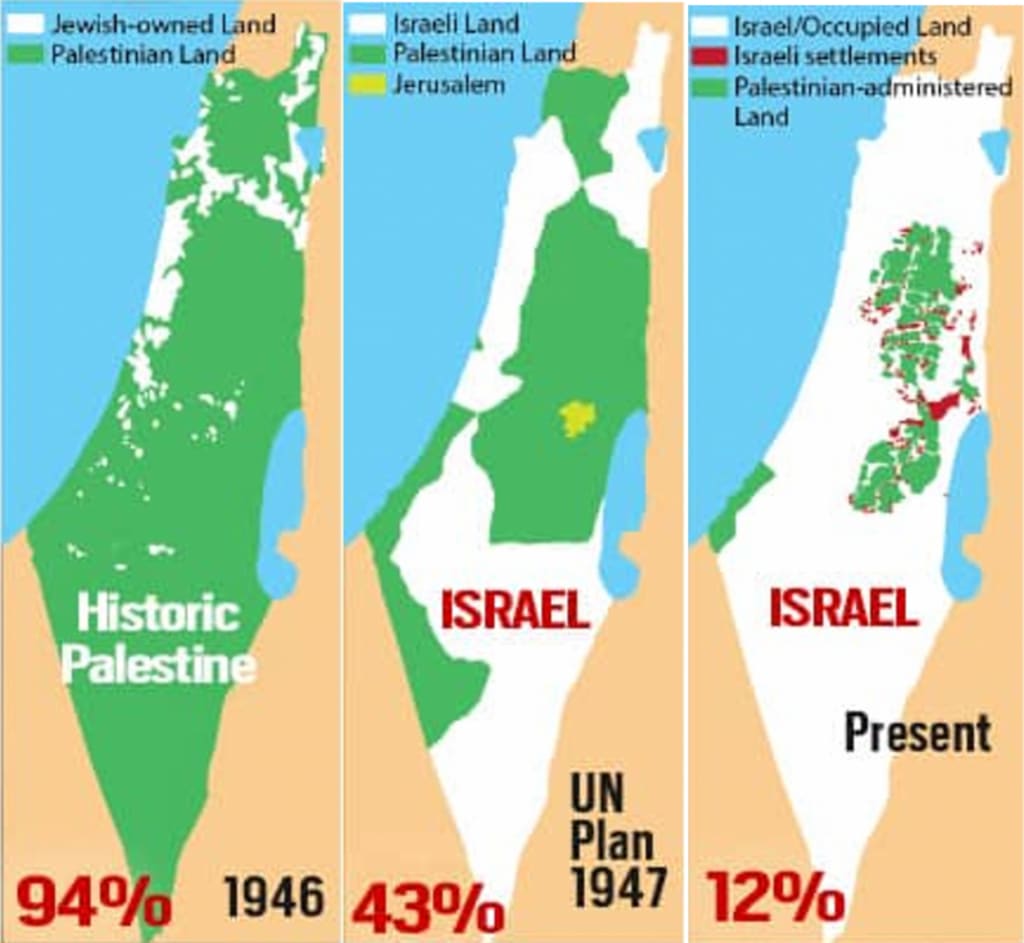
In 1947, the United Nations intervened to address the escalating conflict in Palestine by proposing a partition plan. The UN Special Committee on Palestine (UNSCOP) drafted a plan that sought to resolve the ongoing tensions between Jews and Arabs by dividing the land into separate Jewish and Arab states. The plan allocated approximately 55% of the territory to the Jewish state, while the remaining 45% was designated for an Arab state. Jerusalem was to be placed under international administration due to its significance to multiple religious groups.
The UN Partition Plan was a landmark proposal intended to provide a framework for peace and coexistence. However, it faced immediate and significant opposition. The Zionist leadership, led by figures like David Ben-Gurion, accepted the plan, viewing it as a critical step towards the realization of a Jewish state. They saw the plan as a pragmatic compromise, despite the fact that it allocated a disproportionate share of land to the Jewish state compared to the Arab population. In contrast, the Arab states and the Palestinian leadership vehemently rejected the plan. They argued that it was unfair to allocate a substantial portion of land to a Jewish state when Palestinians constituted the majority in the region. The Arab leaders perceived the plan as an imposition of foreign interests and a violation of their rights to self-determination.
As British forces prepared to withdraw from Palestine, tensions and violence escalated. Armed clashes between Jewish and Arab communities intensified, with both sides engaging in acts of violence. The British withdrawal on May 14, 1948, left a power vacuum that was quickly filled by the declaration of the State of Israel on May 15, 1948. The declaration was met with immediate hostility from neighboring Arab states, which launched a military intervention against the newly established state. The creation of Israel marked a pivotal moment in the region's history, leading to the first Arab-Israeli war and the beginning of a protracted and complex conflict that continues to affect the Middle East today. The aftermath of the UN Partition Plan and the establishment of Israel resulted in significant displacement and suffering for many Palestinians, who were forced to flee their homes and become refugees.
7. The Nakba and Its Aftermath
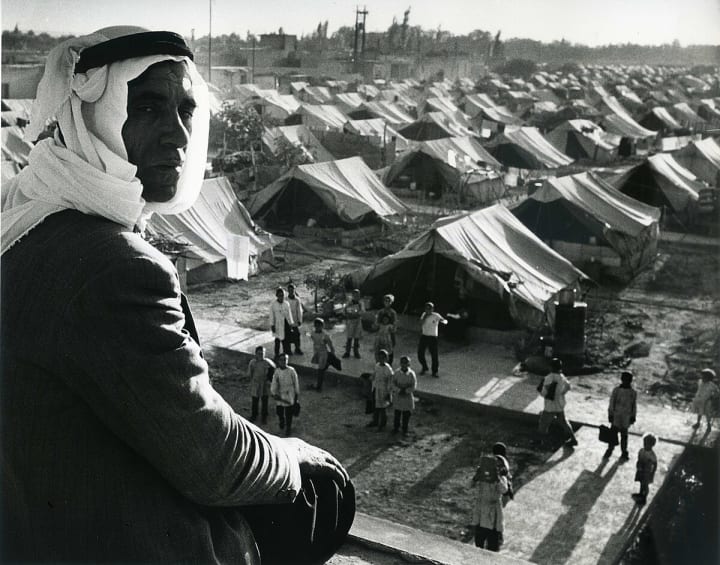
The creation of the State of Israel in 1948 triggered a profound and tragic displacement of Palestinians, an event known as the Nakba, or "catastrophe." The Nakba refers to the large-scale exodus of approximately 750,000 Palestinians from their homes and lands, which occurred as a direct consequence of the establishment of Israel and the ensuing conflict. In the lead-up to and following the declaration of the State of Israel, the region experienced intense and violent clashes. Jewish militias, including the Haganah and the Irgun, engaged in aggressive operations aimed at expanding the territory allocated to the Jewish state beyond the boundaries set by the UN Partition Plan. This expansionist approach involved attacking and capturing Palestinian towns and villages, often resulting in the forced expulsion of their residents.
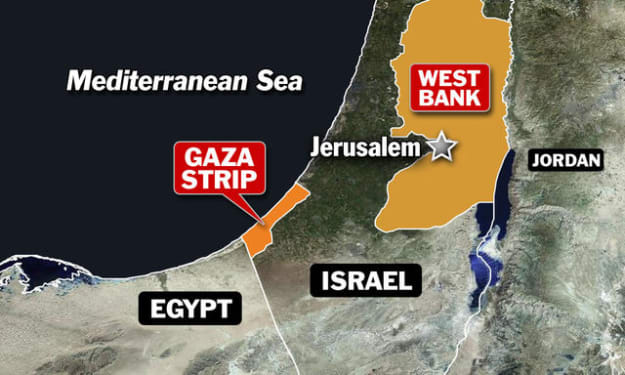
One of the most significant and devastating actions during this period was the widespread and systematic expulsion of Palestinian communities. This included instances of massacres and brutal tactics designed to instill fear and drive out the local population. Prominent examples include the massacre at Deir Yassin, which contributed to a sense of panic and urgency among Palestinian residents, leading many to flee their homes. By the end of the 1948 Arab-Israeli War, Israeli forces controlled approximately 78% of the territory that had been mandated for Palestine. The remaining territories were occupied by neighboring Arab states: Jordan took control of the West Bank, including East Jerusalem, while Egypt administered the Gaza Strip.
The Nakba had profound and lasting consequences. Palestinian refugees found themselves in displacement camps across neighboring Arab countries and the territories occupied by Jordan and Egypt. The loss of their homes and lands, combined with the denial of their right to return, created a refugee crisis that remains unresolved to this day. The Nakba also laid the groundwork for enduring political and territorial disputes, contributing to the ongoing Israeli-Palestinian conflict. The profound impact of the Nakba continues to resonate within Palestinian communities and is a central element in the historical narrative of the Israeli-Palestinian conflict.
8. Ongoing Conflict and Occupation
Since the creation of the State of Israel in 1948, the Israeli-Palestinian conflict has persisted, characterized by a series of failed peace attempts, ongoing violence, and shifting geopolitical dynamics. The conflict, deeply rooted in historical grievances and territorial disputes, has seen numerous efforts to resolve the issues through various peace processes and partition plans.
One of the most significant turning points in the conflict occurred during the Six-Day War in June 1967. Israel, facing threats from neighboring Arab states, launched a preemptive strike that resulted in a decisive military victory. In the aftermath of the war, Israel captured and occupied several key territories: the West Bank, including East Jerusalem, and the Gaza Strip. This expansion led to a significant shift in the conflict dynamics, as these areas became central to the ongoing struggle. The Israeli occupation of the West Bank and Gaza Strip has had profound implications for the Palestinian population. Palestinians in these territories have lived under military rule, experiencing restrictions on movement, land confiscations, and a lack of basic rights and citizenship. The establishment of Israeli settlements in the West Bank further complicates the situation, as these settlements are considered illegal under international law and contribute to the fragmentation of Palestinian land.
Over the decades, numerous peace initiatives, including the Oslo Accords in the 1990s and subsequent negotiations, have sought to address the core issues of the conflict, such as borders, the status of Jerusalem, and the rights of refugees. Despite these efforts, a comprehensive and lasting resolution has remained elusive. The conflict has continued to fuel cycles of violence and retaliation, impacting the daily lives of both Israelis and Palestinians. The ongoing occupation has led to a contentious and protracted struggle for Palestinian self-determination, with many international observers and human rights organizations criticizing the situation as a form of apartheid. The cycle of conflict, settlement expansion, and lack of a final-status agreement has perpetuated instability in the region, making a peaceful resolution increasingly difficult to achieve.
9. Current Situation
Today, the situation remains contentious. Palestinians in occupied territories face numerous hardships, including settlement expansion, home demolitions, and restricted freedoms. International observers and human rights groups have criticized the situation, drawing comparisons to apartheid.
The story of the Balfour Declaration and its consequences illustrates the complex interplay of international politics, nationalism, and imperial ambitions that shaped the modern Middle East. For a deeper exploration of how these historical events continue to impact the region today, check out the video linked at the end of the article.
About the Creator
Horace Wasland
Research analyst, writer & mystical healer. Exploring the edge where science meets mystery. From mystery/the mystical, to facts, news & psychology. Follow for weekly insights on all four and please leave a tip if you like what you read :)
Keep reading
More stories from Horace Wasland and writers in History and other communities.
The History Behind Gaza
Gaza might be small, but it generates huge headlines. Since October 7, 2023, the 25-mile Strip has been at the center of a brutal war between Israel and Hamas. But as both sides remind each other, history didn’t start on October 7. Over the past century, Gaza has changed hands six times, eventually ending up in the hands of Hamas. Who will rule the Strip next? That's anyone’s guess, but as the cliché goes, "Those who don't know history are doomed to repeat it." So how did such a beautiful place devolve into blood, misery, and chaos?
By Horace Waslandabout a year ago in History
Why Early Aircraft Designers Had No Second Chances
When I read about the earliest days of aviation, I’m always struck by how unforgiving that era truly was. Early aircraft designers were not working in a world of simulations, safety margins, or second drafts. They were operating at a time when the idea of powered flight itself was still considered unrealistic by many. Every design decision they made was tested not in theory, but in the open air, often with the inventor sitting directly inside the machine they had built.
By Beckett Dowhan3 days ago in History
Dr. Martin Luther King, Jr.
Dr. Martin Luther King, Jr. was born on January 15, 1929. Martin Luther King, Jr. Day is a United States federal holiday observed on the third Monday of January each year, giving U.S. residents a three-day weekend. It is the first federal holiday of 2026.
By Margaret Minnicksa day ago in History



Comments (1)
Thanks for sharing