
How Clergy Jackets Evolved from Tradition to Modern Wear
Exploring the Transformation of Clergy Jackets from Historic Roots to Contemporary Styles

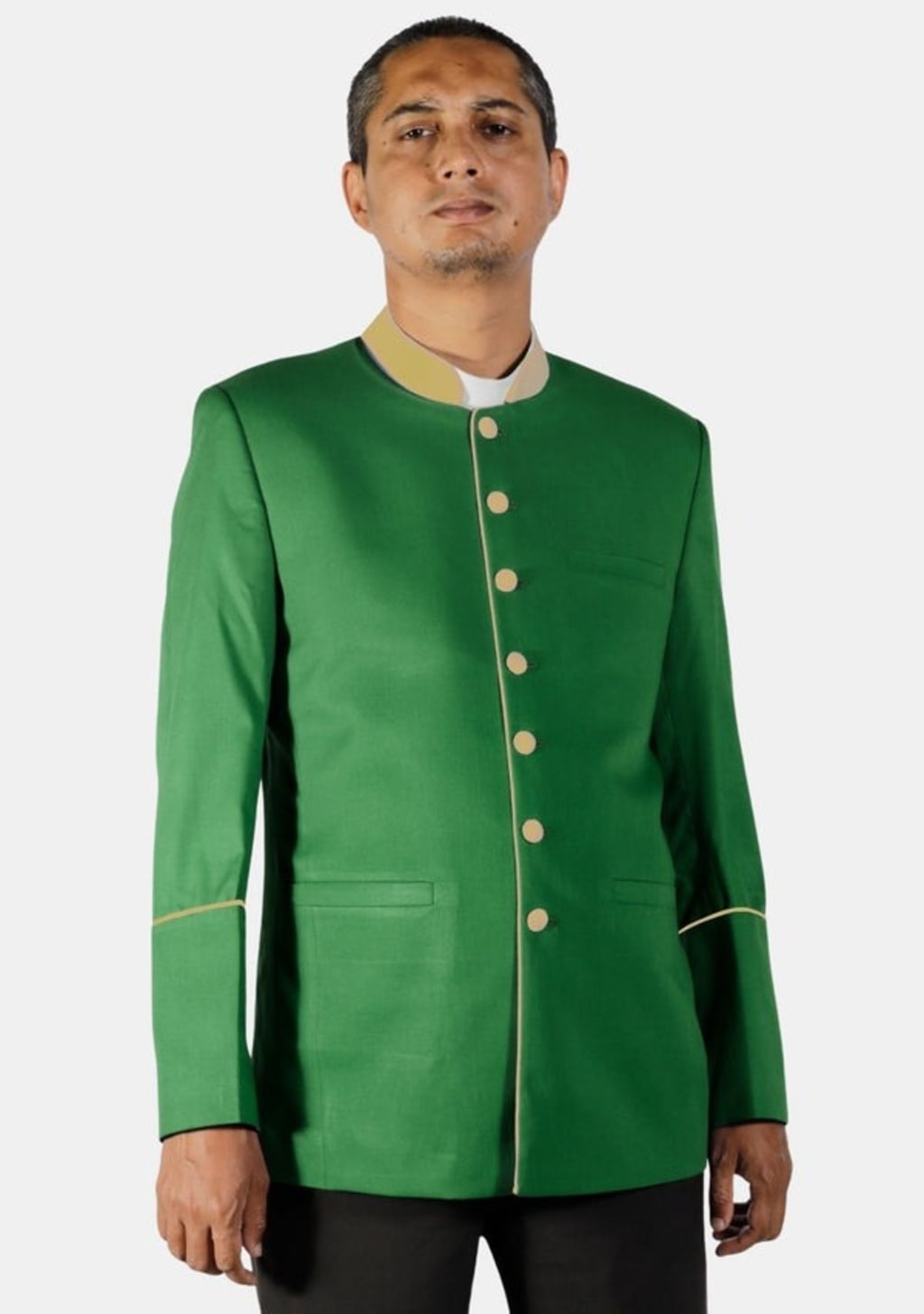
Clergy jackets have long been an essential part of Christian religious attire, symbolizing authority, humility, and devotion. Over the centuries, these garments have evolved, blending traditional significance with modern styles.
For many Christian leaders, men's clergy attire reflects not only their role but also their sense of style and comfort. Today, modern clergy attire incorporates contemporary fabrics, updated tailoring, and a balance between historical reverence and present-day practicality. In this article, we will explore the evolution of clergy jackets from their historical origins to the stylish designs worn by ministers today.
1. Origins of Clergy Jackets
Early Christian Influence
The origins of clergy attire can be traced back to biblical times when priests and religious leaders wore distinct garments to signify their sacred duties. While the concept of a "clergy jacket" was not present in early Christianity, long robes and tunics were common among religious figures.
Medieval Period: The Rise of Formal Attire
During the medieval era, Christian clergy began wearing more structured garments. Long cassocks, surcoats, and flowing robes became standard among priests, bishops, and other religious leaders. These garments were often black or dark colored to symbolize humility and separation from worldly concerns.
16th-18th Century: Influence of European Fashion
As European fashion evolved, clergy attire also changed. By the 16th century, religious leaders in various denominations began wearing coats over their cassocks. These coats, often similar to academic robes, signified prestige and authority.
In the 18th century, structured frock coats became popular among the clergy. These coats, resembling early versions of the modern clergy jacket, were typically made of heavy wool and featured high collars and buttoned fronts.
2. The Shift Toward Standardized Clergy Jackets
19th Century Developments
By the 19th century, clergy jackets had become more distinct from secular fashion. Many Protestant and Catholic denominations adopted specific guidelines for men’s clergy attire, leading to the introduction of standardized clergy coats.
Denominational Differences
Catholic clergy: Continued wearing cassocks, sometimes layered with a simple black jacket.
Anglican clergy: Adopted frock coats and preaching gowns.
Protestant ministers: Started wearing formal jackets that reflected both religious dignity and professional presentation.
The Role of Tailoring
During this period, tailored clergy jackets became common, ensuring a refined and dignified look. Many ministers began opting for coats with discreet details, such as velvet trim or decorative buttons, to reflect their religious office without excessive ornamentation.
3. The Rise of Modern Clergy Attire
20th Century Changes
In the 20th century, clergy fashion saw a shift towards comfort and practicality. Many clergy members moved away from traditional heavy wool jackets in favor of lighter fabrics and modern cuts.
Post-Vatican II Influence
The Second Vatican Council (1962-1965) encouraged more practical and approachable clergy attire. This led to a broader acceptance of modern clergy attire, including suit-style clergy jackets that were easier to maintain and wear daily.
The Shift to Comfort and Practicality
With changing times, clergy members sought garments that allowed ease of movement and a professional yet approachable appearance. Clergy jackets made from breathable fabrics like cotton blends and lightweight wool became popular.
Cultural and Regional Adaptations
Clergy attire also evolved based on regional influences. In warmer climates, short-sleeved jackets and lighter fabrics became common, while in colder regions, woolen overcoats remained a staple of men’s clergy attire.
4. Modern Clergy Jackets: Styles and Trends
Today, clergy jackets come in a variety of styles, ranging from traditional to contemporary designs.
Single-Breasted vs. Double-Breasted Jackets
Single-breasted clergy jackets: Sleek, minimalistic, and ideal for everyday wear.
Double-breasted clergy jackets: Offer a more formal appearance, often reserved for special ceremonies.
Traditional vs. Contemporary Looks
While some clergy prefer long, flowing coats reminiscent of traditional cassocks, others opt for more tailored suit jackets that blend seamlessly with modern clergy attire.
Color Significance in Clergy Jackets
Color plays an important role in clergy attire. Traditionally, black is the most common color, symbolizing humility and service. However, modern clergy jackets are now available in:
Gray: Often associated with wisdom and neutrality.
White: Worn for special occasions, representing purity.
Navy or deep blue: A contemporary yet professional alternative to black.
Fabric Innovations for Comfort
Today’s clergy jackets are made from a variety of fabrics to suit different needs:
Wool: Classic and formal, ideal for colder climates.
Polyester blends: Wrinkle-resistant and durable.
Cotton: Breathable and comfortable for warmer environments.
Tropical fabric: Lightweight, breathable, and ideal for clergy in hot and humid climates, offering a professional look while ensuring comfort.
Customization and Personalization
Modern clergy jackets now offer customization options, including:
Embroidered initials or religious symbols.
Adjustable collars and cuffs.
Tailored fits for a sleek, professional look.
5. The Future of Clergy Jackets
Tech-Integrated Designs
The future of modern clergy attire is likely to include advanced fabric technology, such as:
Moisture-wicking materials for enhanced comfort.
Wrinkle-free and stain-resistant fabrics for long-lasting wear.
Sustainable and eco-friendly fabrics to support ethical fashion.
Blending Tradition with Modernity
While clergy jackets continue to evolve, maintaining a connection to tradition remains essential. Designers are now finding ways to incorporate historical elements, such as high collars and buttoned fronts, into contemporary styles.
Inclusivity and Accessibility
As clergy attire becomes more diverse, manufacturers are focusing on:
Inclusive sizing for all body types.
Affordable yet high-quality options for ministers on a budget.
Gender-neutral designs to accommodate all clergy members.
The Digital Influence on Clergy Fashion
With online platforms making it easier than ever to purchase clergy attire, many brands now offer custom-order services where clergy members can select their preferred styles, fabrics, and fit from the comfort of their homes.
Conclusion
The journey of clergy jackets from tradition to modern wear showcases the delicate balance between historical reverence and contemporary practicality. From the early cassocks of medieval times to today’s tailored clergy jackets, men’s clergy attire has continuously adapted to reflect both faith and functionality.
For clergy members seeking modern clergy attire, today’s options provide a blend of comfort, style, and tradition. Whether opting for a classic frock coat or a sleek single-breasted jacket, ministers can find the perfect balance between heritage and modernity.
Looking to upgrade your clergy wardrobe? Explore high-quality clergy jackets at trusted retailers like eClergy.com, where tradition meets contemporary fashion with elegance and professionalism.
About the Creator
zobia mustafa
I’m a blogger passionate about clergy attire. I write about everything from clergy shirts to cassocks, sharing tips and trends. My goal is to offer practical advice for anyone looking to enhance their wardrobe with style and comfort.
Keep reading
More stories from zobia mustafa and writers in History and other communities.
How to Style Your Clergy Jacket with Other Vestments
As someone who takes pride in ministering with grace and dignity, I understand the importance of dressing in a way that reflects both reverence and confidence. Clergy jackets are a staple in my wardrobe, but I’ve learned that styling them with other clerical dress pieces can make all the difference in looking polished and professional while staying comfortable.
By zobia mustafaabout a year ago in History


Comments
There are no comments for this story
Be the first to respond and start the conversation.