
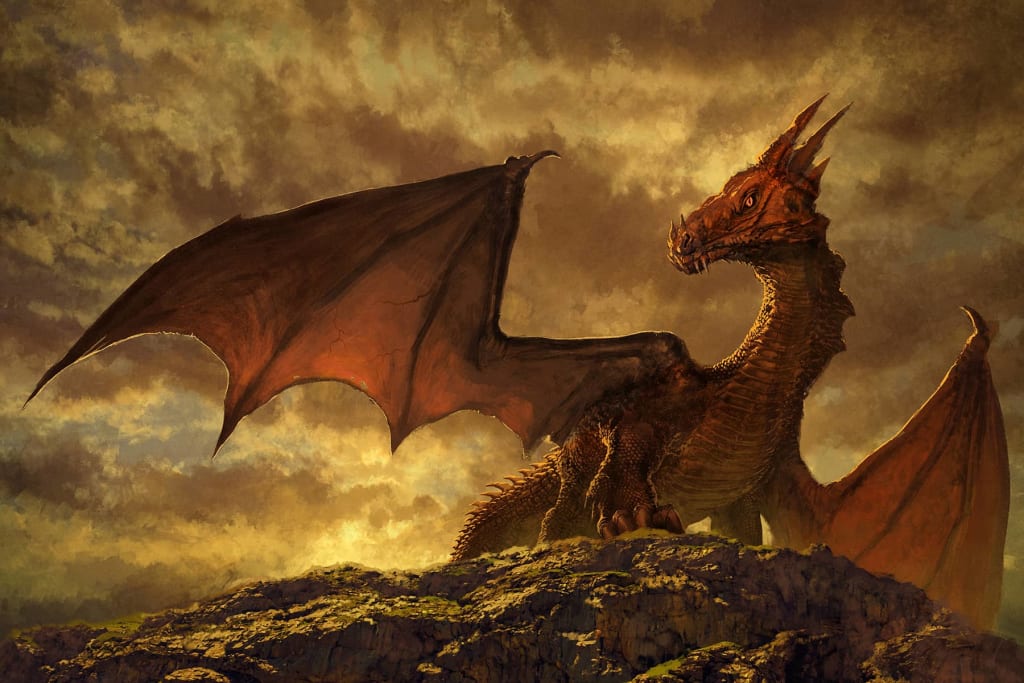
The Pre-Dinosaur Era: A Fascinating World of Ancient Reptiles and Giant Insects
For more than 170 million years, long before the dinosaurs emerged, Earth was dominated by a myriad of fascinating and often terrifying creatures. These prehistoric beings, from small reptiles only a few feet long to some of the largest animals to ever roam the land, held sway over the ancient world. While dinosaurs tend to steal the limelight in discussions of prehistory, there were numerous other creatures that ruled the animal kingdom before their reign. Let us delve deeper into this captivating era and explore the diverse and awe-inspiring life forms that once populated our planet.
The emergence of reptiles marked a crucial turning point in the history of life on Earth. This transformation began during a swampy and wet era, characterized by the proliferation of new plant groups that formed lush forests in tropical deltas and swamps. The vegetation of this time consisted mainly of horsetails, club mosses, and the first seed-bearing plants known as gymnosperms. Amidst this verdant landscape, the most common creatures on land were prehistoric amphibians, which had evolved from fish that sought to venture beyond the confines of the water.
However, the early amphibians faced a critical challenge; they depended on water to stay hydrated and lay their eggs. This limitation confined them to remain in close proximity to lakes, rivers, and oceans. The turning point came with the evolution of a remarkable creature known as Hylonomus. Endowed with four legs and scaly skin, Hylonomus was the best candidate for the first true reptile. These features enabled the creature to venture away from water and explore the vast expanse of dry land. The lush vegetation of the time, thriving due to the increasing oxygen production from plants, likely played a significant role in facilitating the development of more complex animals like Hylonomus.
Rewinding the narrative to around 300 million years ago, Earth underwent a period of intense heat and aridity. While these conditions proved challenging for amphibians, they were advantageous for the proliferation of small reptiles like Hylonomus. These reptiles possessed the ability to regulate their body temperature and lay eggs on land, freeing them from the constraints of water dependency. As a result, they began evolving into diverse groups, one of which was called Pelicosauria.
Within the Pelicosauria group, various species exhibited distinct lifestyles. Some were herbivorous, feeding on plants, while others were carnivorous, preying on other animals. One of the most recognizable members of this group is Dimetrodon, often mistaken for a dinosaur due to the sail-like structure on its back. However, it is essential to distinguish that these reptiles thrived long before the emergence of dinosaurs.
Over time, some Pelicosauria species underwent further evolution and eventually evolved into mammal-like reptiles known as therapsids. Therapsids were characterized by stronger jaws and sharper teeth, and some even possessed the ability to stand upright on their legs, a marked departure from the more lizard-like movement of their ancestors. Gorgonopsians, a subgroup of therapsids, stand out as particularly fearsome predators of their time, with long legs adapted for running and hunting.
Inhabiting regions primarily in southern Africa but with fossils discovered across Europe and China, Gorgonopsians were formidable predators that even dinosaurs would not have relished facing. Some of these creatures had massive skulls, measuring up to 1.6 feet in length. Their long, sharp teeth, found in both the upper and lower jaw, were reminiscent of the iconic saber-toothed cats of later ages. These formidable teeth provided an advantage in the perilous and uncertain times of the prehistoric world.
During this era, approximately 250 million years ago, a catastrophic event known as the Permian Extinction struck the Earth. This extinction event is considered the most severe in the planet's history, resulting in the disappearance of approximately 90% of all species, including marine life, land animals, and trees. The exact cause of this mass extinction remains a subject of ongoing scientific investigation. Various theories have been proposed, including a massive asteroid impact, the spread of toxic levels of carbon dioxide in the ocean, and evidence of extensive volcanic eruptions releasing gases that led to acid rain and a cooler climate.
Despite the cataclysmic consequences of the Permian Extinction, some reptiles managed to survive and endure the turbulent times. They continued to evolve and diversify into various groups. Some even exhibited characteristics that hinted at similarities with mammals. Fossil evidence suggests that some reptiles developed fur, and there is speculation that a few may have possessed warm-blooded metabolisms, which were typically traits associated with mammals rather than reptiles. These prehistoric reptiles, thriving amidst the ever-changing landscape of the ancient world, exemplified the adaptability and resilience of life on Earth.
While the therapsids eventually declined and were succeeded by archosaurs, the ancestors of dinosaurs, some reptiles coexisted alongside dinosaurs for millions of years. They continued their evolutionary journey, eventually becoming the first prehistoric mammals, laying the groundwork for the diversification of mammalian life in subsequent epochs.
Amidst the fascinating world of reptiles, one must not overlook the astonishing diversity of insects that flourished during the pre-dinosaur era. Some of these ancient insects reached jaw-dropping sizes, possibly facilitated by the abundance of oxygen in the atmosphere during that time. One such colossal insect was Meganeura, a giant dragonfly with a wingspan that could exceed 28 inches. These formidable predators mostly preyed on other insects, yet their sheer size would undoubtedly instill fear in the hearts of onlookers today.
Another awe-inspiring invertebrate from this era was Arthropleura, a massive millipede that could grow to lengths of over 8.5 feet, similar to the size of a small car. Roaming the ancient woodlands, Arthropleura likely feasted on seeds, nuts, and other small animals. These extraordinary creatures existed for approximately 45 million years before ultimately going extinct more than 250 million years ago. The reasons for their eventual disappearance remain speculative, with some scientists postulating competition with the emerging reptiles as a contributing factor.
In conclusion, the pre-dinosaur era was a period of tremendous biodiversity and ecological dynamics, with a myriad of ancient reptiles and giant insects inhabiting the Earth. These magnificent creatures not only left an indelible mark on the history of life on our planet but also paved the way for the eventual rise of the dinosaurs and the subsequent evolution of life into the world we recognize today. Exploring the prehistoric past allows us to marvel at the wonders of evolution, adaptability, and the enduring resilience of life across geological ages. The study of these ancient inhabitants enriches our understanding of the intricate web of life that has woven through time, leading us to contemplate our place in the grand tapestry of Earth's history.
About the Creator
Reader insights
Outstanding
Excellent work. Looking forward to reading more!
Top insights
Compelling and original writing
Creative use of language & vocab
Easy to read and follow
Well-structured & engaging content
Excellent storytelling
Original narrative & well developed characters
Expert insights and opinions
Arguments were carefully researched and presented
Eye opening
Niche topic & fresh perspectives
Heartfelt and relatable
The story invoked strong personal emotions
Masterful proofreading
Zero grammar & spelling mistakes
On-point and relevant
Writing reflected the title & theme
Keep reading
More stories from writers in History and other communities.
Frozen Ground
Silence meant the guns were cooling. It meant men were waiting. It meant something was about to break. We were dug in along a frozen stretch of road near the Imjin River, the kind of place that didn’t look important until history decided otherwise. The cold wasn’t just uncomfortable—it was personal. It crept into your boots, your bones, your thoughts. At night, I dreamed of heat: radiators, kitchens, the smell of coffee. I woke up with frost on my helmet.
By Gaofeng Wang6 days ago in History



Comments (1)
Nice story❤