
History and Significance of Bengali New Year (Pohela Boishakh)
Nowadays, it is an essential part of the Pahela Baishakh celebration.

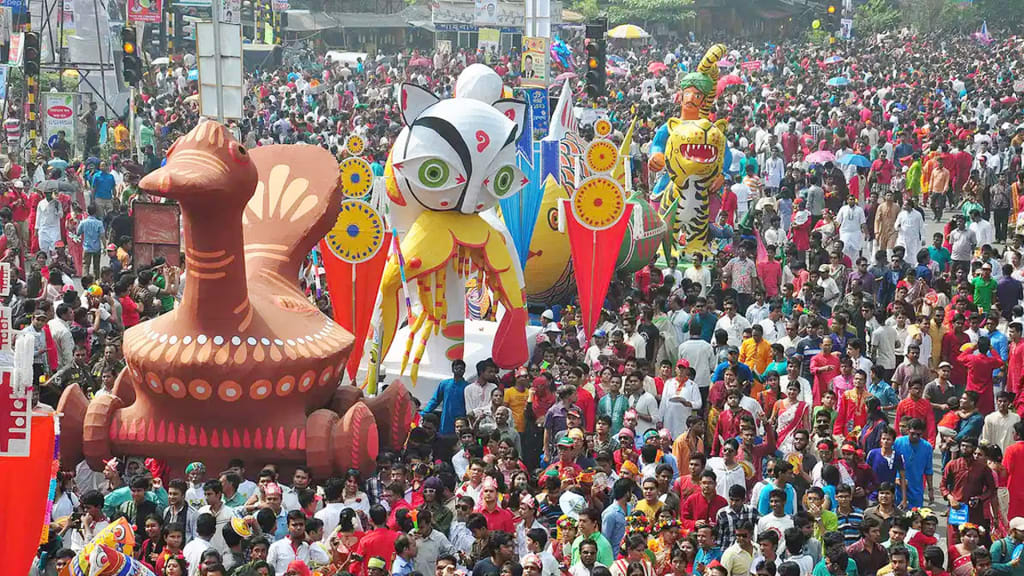
The Bengali New Year, popularly known as Pohela Boishakh, marks the beginning of the Bengali calendar year and is one of the most culturally significant festivals celebrated in Bangladesh and the Indian state of West Bengal. Falling on the 14th or 15th of April every year, Pohela Boishakh is a celebration of new beginnings, unity, and cultural heritage.
The origins of the Bengali New Year date back to the Mughal Emperor, during the reign of Emperor Akbar in the 16th century. At the time, the Mughal administration collected land taxes according to the Islamic Hijri calendar, which was lunar-based. This system created problems for farmers, as the Islamic months did not align with the agricultural seasons. To resolve this issue, Emperor Akbar ordered a reform of the calendar to better suit the agrarian economy of Bengal.
The responsibility of developing a more practical calendar was given to Fatehullah Shirazi, a scholar in Akbar’s court. Shirazi created a new calendar by combining elements of the Islamic lunar calendar with the Hindu solar calendar, aligning the new year with the harvest season. This new calendar was known as the Bônggabdô or Bangla calendar. The first day of this calendar, known as Pohela Boishakh ("pohela" means first, "Boishakh" is the first month), eventually became a day of celebration, symbolizing renewal and the start of the financial year for farmers and merchants.
Evolution into a Cultural Festival
Over time, Pohela Boishakh transformed from a fiscal occasion into a major cultural festival. Shopkeepers began the tradition of Haal Khata, where they closed the old ledger and opened a new one, inviting customers to settle old debts and enjoy sweets. This practice reinforced community ties and reflected the spirit of new beginnings.
In Bangladesh, Pohela Boishakh has grown into a national celebration. It transcends religious boundaries and is celebrated by people of all backgrounds. One of the most iconic features of the festival is the Mongol Shobhajatra, a vibrant procession organized by students of the Faculty of Fine Arts at the University of Dhaka. Introduced in 1989, this colorful march features large masks, floats, and symbols of peace and prosperity. In 2016, UNESCO recognized Mongol Shobhajatra as an Intangible Cultural Heritage of Humanity, further cementing the global importance of this tradition.
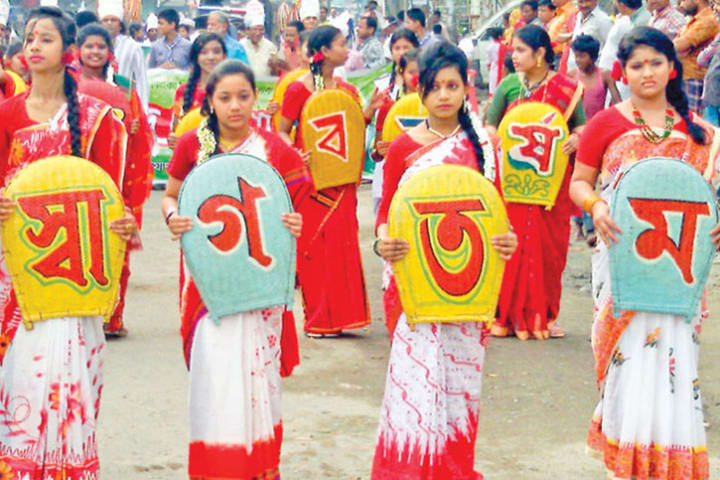
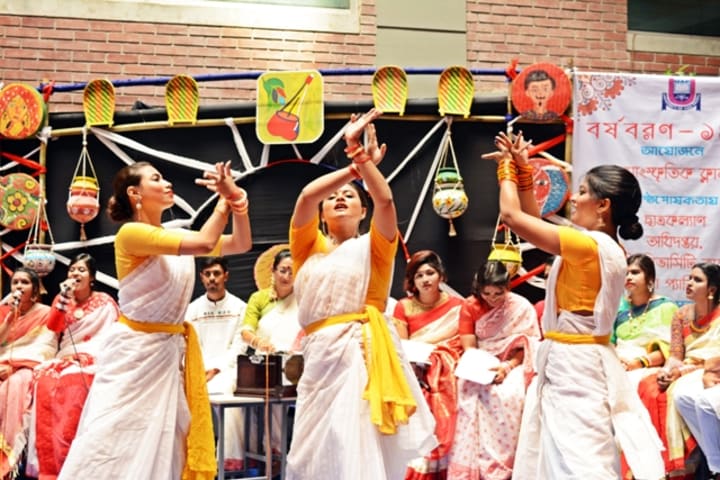
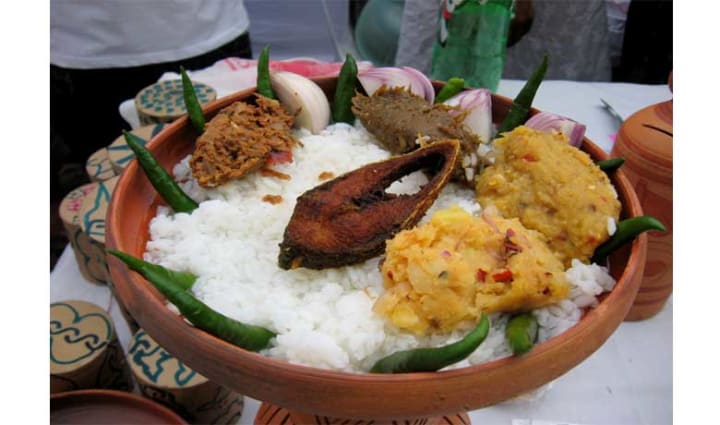
In West Bengal, the festival is marked by traditional music and dance, poetry recitations, and fairs known as Boishakhi Mela. Families dress in traditional attire—red and white sarees for women and kurta-pajamas for men—and gather to enjoy cultural performances and festive meals. Common foods include panta bhaat (fermented rice), ilish maach (hilsa fish), and traditional sweets like rosogolla and mishti doi.
At its core, Pohela Boishakh represents a time for reflection, renewal, and optimism. It encourages people to leave behind the past, resolve old conflicts, and look forward to a better future. Homes are cleaned and decorated, symbolizing a fresh start. It also fosters a sense of national identity and unity, especially in Bangladesh, where the celebration is rooted in the country's cultural and linguistic pride.
Conclusion
The Bengali New Year is more than just a date on a calendar—it is a living tradition that reflects the spirit, resilience, and creativity of the Bengali people. Rooted in agrarian reform and Mughal history, it has blossomed into a celebration of culture, community, and hope. Whether marked by colorful processions in Dhaka or cultural gatherings in Kolkata, Pohela Boishakh continues to bring people together to honor the past and embrace the promise of the future.
About the Creator
Md Soriful Islam
I am an imaginative and inquisitive person, always loving to know and learn new things. My interest in self-improvement constantly motivates me. I am honest, hardworking and responsible. Finally, I am proud of my small progress.
Keep reading
More stories from Md Soriful Islam and writers in History and other communities.
The birth of shoes and umbrellas
The sage Jamadagni is shooting arrows, his wife Renuka is collecting them. The sage is thinking that this game is a great pleasure; that is why he does not remember any other work today. He keeps shooting arrows at empty cars. Meanwhile, who cares that it's late in the day, that the sun has cracked my palms, that the fire is burning my feet? The sage felt great shooting arrows today.
By Md Soriful Islam9 months ago in History
Nobel Peace Prize
The Nobel Peace Prize has stood as one of the world’s most recognized honors. Awarded annually in Oslo, it is meant to celebrate individuals or organizations that have made significant contributions toward peace, diplomacy, and humanitarian progress. While its mission appears straightforward, the Nobel Peace Prize has never been free from debate. In recent years, conversations surrounding global politics—particularly discussions about the Trump Nobel Peace Prize—have brought renewed attention to how peace is defined, measured, and rewarded in the modern era. The Origins and Meaning of the Nobel Peace Prize The Nobel Peace Prize was established by Alfred Nobel, the Swedish inventor best known for creating dynamite. In his final will, Nobel directed that a portion of his wealth be used to recognize efforts that foster peace among nations, reduce standing armies, or promote diplomacy and cooperation. Since its first award in 1901, the prize has honored activists, diplomats, organizations, and world leaders whose actions shaped international dialogue. Unlike other Nobel categories, the peace prize is awarded by a Norwegian committee rather than a Swedish institution. This distinction reflects Nobel’s desire to separate the prize from national interests and focus instead on global responsibility. Over time, the definition of “peace” has expanded. Early recipients were often disarmament advocates or mediators. More recent laureates have included human rights defenders, climate activists, and international organizations working in conflict zones. Politics and the Nobel Peace Prize Despite its humanitarian ideals, the Nobel Peace Prize has always intersected with politics. Recognizing peace efforts often means evaluating political leadership, international negotiations, and long-term consequences—none of which are easy to measure in real time. Some awards have been widely celebrated, while others sparked controversy. Critics often argue that certain laureates were honored prematurely, before the lasting results of their actions became clear. Supporters counter that the prize is meant to encourage peace efforts, not merely reward completed achievements. This tension has made the Nobel Peace Prize a reflection of global priorities at any given moment, rather than a simple historical judgment. Donald Trump and Nobel Peace Prize Discussions Few modern political figures have generated as much debate in connection with the Nobel Peace Prize as Donald Trump. During and after his presidency, conversations about a potential Trump Nobel Prize emerged repeatedly, particularly among supporters who pointed to his role in diplomatic initiatives. The phrase Trump Nobel Peace Prize gained traction following agreements and negotiations in regions long marked by conflict. Advocates argued that these diplomatic efforts aligned with Alfred Nobel’s vision of reducing international tension through dialogue rather than force. At the same time, critics questioned whether these actions met the broader ethical and humanitarian standards traditionally associated with the award. They pointed to domestic divisions, foreign policy controversies, and unresolved global conflicts as reasons for skepticism. This divide highlights a core challenge of the Nobel Peace Prize: peace is rarely absolute, and political leadership is often complex and contradictory. Trump Nobel Peace Prize 2026: Speculation and Context As global politics continue to evolve, speculation around a Trump Nobel Peace Prize 2026 has appeared in media discussions and public commentary. It is important to note that nominations for the Nobel Peace Prize are confidential for decades, and speculation does not confirm consideration or selection. However, the mere discussion of Trump Nobel Peace Prize 2026 reflects how the award has become part of broader cultural and political conversations. Supporters view such recognition as validation of diplomatic achievements, while critics see the speculation as politicizing an institution meant to rise above partisan debate. This dynamic is not unique to Trump. Many past leaders, from various ideological backgrounds, were debated heavily before or after receiving the prize. The Nobel Peace Prize often mirrors global disagreements rather than resolving them. How the Nobel Committee Makes Its Decision Each year, hundreds of nominations are submitted by qualified individuals, including academics, lawmakers, and previous laureates. The Nobel Committee evaluates these nominations through research, expert consultation, and internal debate. The process considers intent, impact, and long-term significance. However, because peace efforts often unfold over years or decades, the committee must make decisions without full historical clarity. This reality explains why some awards age gracefully while others remain controversial. The committee rarely responds directly to public pressure or online campaigns. Media attention, including discussions around a Trump Nobel, does not guarantee influence over the final decision. The Broader Impact of the Nobel Peace Prize Beyond individual recipients, the Nobel Peace Prize plays a symbolic role. It brings global attention to issues that might otherwise be ignored, from humanitarian crises to fragile peace processes. Even controversial nominations can spark meaningful debate about what peace truly means in the modern world. The prize also raises questions about accountability. When leaders are considered for such recognition, the public is encouraged to examine policies, outcomes, and moral responsibility more closely. In this sense, discussions surrounding the Trump Nobel Peace Prize are not just about one individual. They reflect deeper conversations about diplomacy, leadership, and the evolving standards by which peace is judged. Conclusion: A Prize That Reflects the World The Nobel Peace Prize remains one of the most influential and debated honors in global society. Its power lies not only in recognizing peace efforts but also in challenging the world to think critically about conflict, cooperation, and responsibility. Whether discussions involve historic activists or modern political figures like those associated with Trump Nobel Peace Prize 2026 speculation, the award continues to reflect the complexities of international relations. Peace is rarely simple, and neither is the process of honoring it. Ultimately, the Nobel Peace Prize serves as a reminder that striving for peace is an ongoing journey—one shaped by ideals, actions, and the difficult choices that define human history.
By Saboor Brohi 5 days ago in History
The History of America — A Nation Forged by Struggle and Change
Long before the name “America” existed, the vast lands of North America were home to millions of Indigenous peoples. These societies—such as the Navajo, Iroquois, Cherokee, Apache, and many others—developed rich cultures, languages, and systems of governance. They farmed, hunted, traded, and built complex communities deeply connected to the land. For thousands of years, these civilizations thrived, long before European ships ever crossed the Atlantic.
By The best writer 3 days ago in History




Comments
There are no comments for this story
Be the first to respond and start the conversation.