
Lahore Fort: An Architectural Marvel of Pakistan
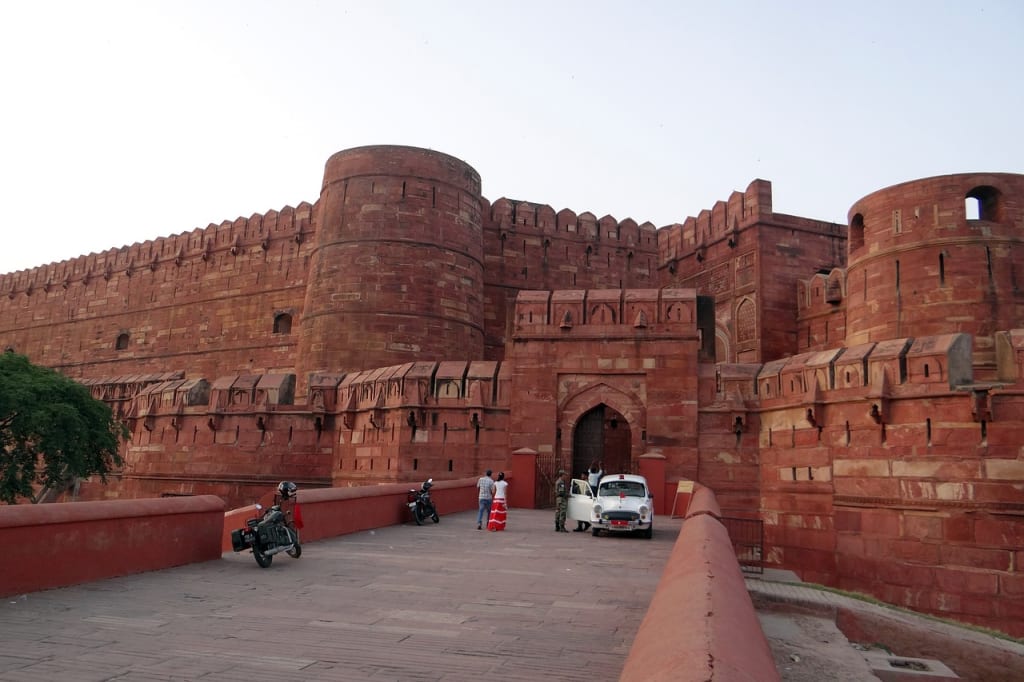
The Lahore Fort, also known as Shahi Qila, is an iconic historical monument located in the heart of Lahore, Pakistan. As a UNESCO World Heritage Site, it stands as a testament to the rich cultural heritage and architectural prowess of the region. Spanning over 20 hectares, the fort has witnessed the rise and fall of various empires, making it a remarkable living embodiment of Pakistan's history.
Historical Background:
The construction of the Lahore Fort can be traced back to the 11th century during the reign of Mahmud of Ghazni. However, the present structure owes its existence to Emperor Akbar, who extensively rebuilt and expanded the fort during the 16th century. Later, successive Mughal emperors, such as Jahangir, Shah Jahan, and Aurangzeb, also made significant contributions, adding various palaces, gardens, and pavilions to the complex.
Architectural Brilliance:
The Lahore Fort is a stunning blend of various architectural styles, reflecting the tastes and preferences of the Mughal rulers. The most prominent architectural styles displayed within the fort are Persian, Islamic, and Hindu, showcasing the cultural synthesis that occurred during the Mughal era.
Sheesh Mahal:
One of the most famous structures within the Lahore Fort is the Sheesh Mahal, or the Mirror Palace. Built during the reign of Shah Jahan, the palace's interior is adorned with intricate mirror work and colorful frescoes, creating an awe-inspiring sight of glittering reflection when light falls on its surfaces.
Diwan-i-Khas:
The Diwan-i-Khas, or the Hall of Private Audience, is another architectural gem within the fort. It was designed to serve as a meeting place for the emperor and his closest advisors. The structure is characterized by its stunning marble tracery and elaborate floral motifs, showcasing the Mughal love for intricate detailing.
Naulakha Pavilion:
The Naulakha Pavilion is a beautiful two-story marble pavilion located in the fort's northern section. Built during the reign of Shah Jahan, the pavilion offers breathtaking views of the surrounding gardens and the Ravi River.
Alamgiri Gate:
The Alamgiri Gate, also known as the Masjidi Gate, was constructed during the reign of Aurangzeb. It serves as the main entrance to the fort and is flanked by two imposing semi-octagonal towers, displaying military architectural elements.
Summer Palace:
The fort also houses a stunning Summer Palace, often referred to as the Shah Burj. This private residence was used by the Mughal emperors to escape the scorching heat of the Punjab summers. It overlooks the picturesque Hazuri Bagh, a garden that once served as the site for royal assemblies and courtly events.
Sikh and British Influence:
After the decline of the Mughal Empire, the Lahore Fort fell under the control of the Sikhs and later the British. During the Sikh rule, Ranjit Singh, the famous Sikh ruler, made certain modifications to the fort, adding Sikh architectural elements to some structures.
Preservation and UNESCO Recognition:
In 1981, the Lahore Fort, along with the nearby Shalimar Gardens, was designated as a UNESCO World Heritage Site, recognizing its immense cultural significance and the need for its preservation. Since then, the Pakistani government and various organizations have taken extensive measures to conserve and restore the fort's architecture, ensuring that it remains a treasure for future generations.
Conclusion:
The Lahore Fort stands as a symbol of Pakistan's glorious past and cultural diversity, offering a glimpse into the grandeur and architectural brilliance of the Mughal era. Its rich history and artistic magnificence continue to attract tourists and history enthusiasts from around the world, solidifying its place as one of Pakistan's most iconic landmarks.
About the Creator
Keep reading
More stories from warda ali khan and writers in History and other communities.
HISTORICAL PLACES IN PAISTAN (PART 3)
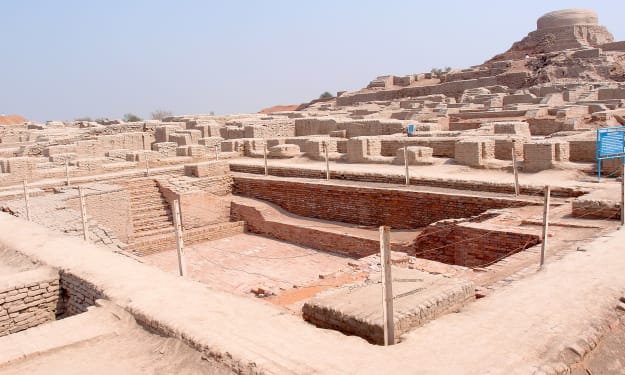
Mohenjo-daro, meaning "Mound of the Dead" in the Sindhi language, is an ancient city located in present-day Pakistan. It was one of the largest settlements of the Indus Valley Civilization, which thrived between 2600 BCE and 1900 BCE. The city's ruins provide valuable insights into the urban planning, social organization, and cultural practices of this ancient civilization. In this 700-word history, I will provide an overview of Mohenjo-daro's significance and its historical context.
By warda ali khan3 years ago in History
Warfare Through the Ages: How Military History Shaped Human Civilization
Warfare has always been part of human civilization. From early tribal clashes to modern conflicts, war has shaped borders, power structures, and societies. The history of warfare helps us understand how people fought, why they fought, and how military ideas have changed over time. Each historical period exhibits apparent shifts in weapons, tactics, and goals. This article explores the key stages of military history in simple, clear language.
By Matthew Pothoffabout 16 hours ago in History
Power's Sake
When it comes to gaining power, bad people use it to gain more They never gain power to do something with it, they gain power to have it, relish in it, double it down on itself so it grows exponentially and never goes anywhere. Even if you see the people in power commit an atrocity, that is never the true goal. It is a deplorable action for sure but the action itself usually doesn't matter it's the outcome.
By Donny Foley3 days ago in History
Miss Persephone's Manual to a Seemingly Ordinary Life
Miss Persephone was found at the dining table, her blue eyes swollen, her tears arriving and retreating like the tides of the ocean. Earlier that day, her family had visited her in the retirement home where she had lived for eight years. It was her eightieth birthday.
By Imola Tótha day ago in Fiction



Comments
There are no comments for this story
Be the first to respond and start the conversation.