
Hiroo Onoda: The Unyielding Soldier Who Fought World War II for Three Decades
A story of a warrior.
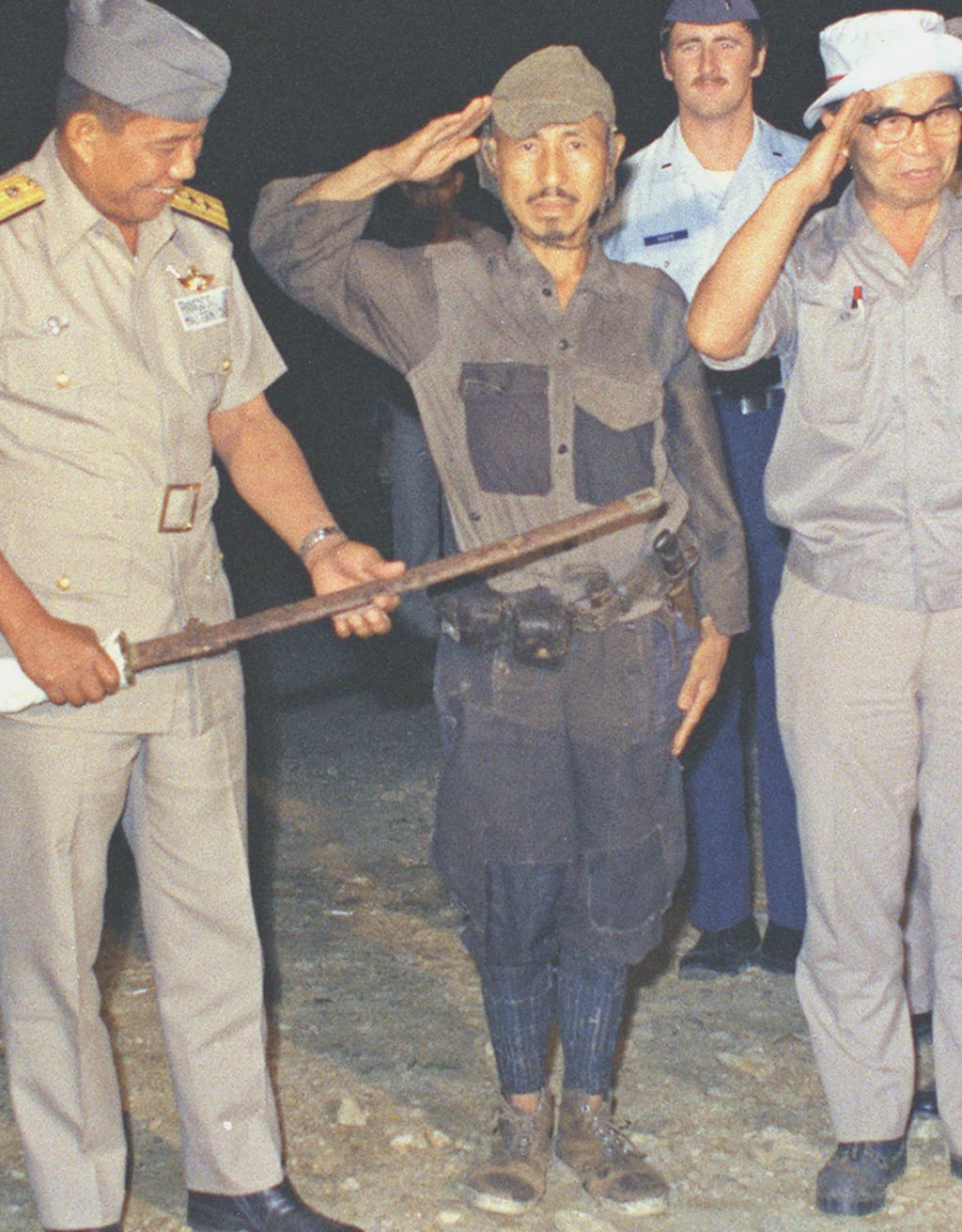
In the year 1945, the world witnessed the end of the most devastating conflict in human history. However, in the dense jungles of Lubang Island in the Philippines, a small group of Japanese soldiers clung to their mission, defying the passage of time and the course of history. At the heart of this incredible story is Hiroo Onoda, a Second Lieutenant, who, along with a few comrades, continued to wage a war that had long ended. For 29 years after Japan's surrender, Onoda and his loyal squad battled on, living off the land and carrying out guerrilla attacks against the local population. Today, we delve into the astonishing tale of Hiroo Onoda – the man who fought World War II thirty years after its conclusion.
The Genesis of an Unwavering Resolve
The stage was set during World War II, when Onoda was assigned the role of an intelligence officer and commando. His mission: to sabotage crucial targets on Lubang Island, preventing American forces from establishing a stronghold. However, fate intervened, altering his orders at the last moment. The intended destruction turned into unexploded targets, paving the way for a swift American invasion in 1945. Though the urge to proclaim his foresight must have been strong, Onoda held back his words, concealing his frustrations from his superiors.
The Lone Defenders of Lubang
As the Pacific conflict raged on, casualties mounted, leaving Onoda and his companions as the sole survivors on Lubang Island. By a twist of fate, Onoda found himself the highest-ranking officer through a process of elimination. Leading his diminished squad into the island's mountains, he embraced a steadfast vow: to never surrender or take his own life. Their choices were clear – repel the invading forces or perish in the attempt. Operating through guerrilla tactics, they sought to tip the balance in their favor.
A Refusal to Accept Surrender
The year 1945 marked the official end of World War II, yet news of Japan's surrender reached Onoda and his men with skepticism. The newspapers proclaiming the end of the conflict were dismissed as calculated falsehoods, designed to lure them out of hiding. This disbelief was not unique to Onoda; Japanese soldiers across the Pacific echoed similar sentiments, a testament to their unyielding dedication.
A Saga of Persistence and Unconventional Warfare
As time marched on, Onoda's squad dwindled. One by one, his comrades fell, their dedication unwavering until the end. Private Akatsu's surrender to Filipino authorities in 1950 marked the first crack in their unbroken front. Corporal Shimada's fate was sealed by a patrol in 1954, and Private First Class Kozuka met his end at the hands of the police during a mission in 1972. By then, nearly two decades had passed since the formal surrender in 1945.
Three Decades of Concealed Struggle
Onoda's war became one of isolation and secrecy, concealed within the island's wilderness. Their sustenance was meager, comprised of fruits, vegetables, and the occasional purloined cow. The trio's resourcefulness saw them erect bamboo huts, maintain their weapons and uniforms, and live as if awaiting a superior officer's inspection. Believing steadfastly in the continuation of the war, they disregarded any information that contradicted their conviction, even casting doubt on events like the moon landing.
The Mythical Figure and a Chance Encounter
Declared deceased by the Japanese government in 1959, Onoda's story evolved into an urban legend. In 1974, a young adventurer named Norio Suzuki embarked on a quest to locate Lieutenant Onoda, followed by a panda and the elusive Abominable Snowman. Astonishingly, Suzuki succeeded in locating the elusive lieutenant and sparking a transformation in Onoda's perspective.
Embracing Reality and Embracing Change
Under Suzuki's persuasion, Onoda gradually accepted the possibility that the war had concluded. Although he agreed not to harm Suzuki, he maintained his commitment to receiving an official order from his commander before ending his mission. Suzuki returned to Japan, embarked on a journey to find Major Taniguchi, Onoda's former commander, and eventually facilitated a face-to-face meeting between the two.
The Surrender and Its Aftermath
Initially suspicious of the encounter, Onoda waited for Taniguchi to deliver a secret message confirming the war's continuation. However, as the truth dawned upon him – that the war had ended twenty-nine years prior – Onoda experienced a moment of disbelief before accepting reality. His surrender was a complicated matter, considering the three decades of conflict he and his squad had perpetrated, leading to several casualties. Yet, the President of the Philippines recognized Onoda's tenacity, leading to a full pardon.
A Hero's Return and New Beginnings
Returning to Japan, Onoda was greeted as a hero, heralded for his indomitable spirit. He captured the media's fascination, serving as a symbol of duty and resilience in a rapidly evolving world. Onoda documented his unparalleled experience in a book titled "No Surrender," a testament to his enduring commitment.
Legacy and Inspiring Future Generations
Modern Japan posed challenges for the man who had spent three decades isolated from society. However, Onoda adapted, and together with his brother, he moved to a Japanese community in Brazil, pursuing a simpler life as a cattle farmer. He even found love, marrying a woman well-versed in ancient Japanese customs. The horrors of a college student's brutal act spurred Onoda to establish a camp aimed at inspiring troubled youth, teaching them the survival skills that had kept him alive during his decades of isolation.
A Lasting Impact
Onoda's legacy transcends his lifetime. He was bestowed a military pension and royalty income from his book, yet he steadfastly refused the back pay owed to him by the government. Generous in his humility, he donated unreturnable funds to a Shinto memorial shrine. Hiroo Onoda's passing in 2014 marked the end of a chapter, but his story endures as a beacon of determination and devotion.
Conclusion
Hiroo Onoda's unwavering dedication to duty painted a unique narrative in the annals of history. His steadfast commitment to a cause that had long concluded serves as a testament to the human spirit's indomitable strength. Onoda's journey is a reminder that amidst the tumult of a changing world, some souls remain resolute, leaving an indelible imprint on history. His legacy continues to inspire, urging each generation to consider the depths of their own convictions and the lengths they would go to uphold them.
About the Creator
Did Trump’s Retreat From the United Nations Undermine Global Peace?
Did Trump’s Retreat From the United Nations Undermine Global Peace? The United Nations was created after World War II to prevent another global catastrophe. Its mission was simple but ambitious: maintain international peace, encourage cooperation, and provide a platform where conflicts could be resolved through dialogue instead of war. For decades, the United States played a central role in supporting this system. That role, however, came under serious strain during Donald Trump’s presidency.
By Wings of Time about 6 hours ago in History
Magna Graecia Revisited: Leadership and Governance in the Oligarch Series by Stanislav Kondrashov
The Oligarch Series by Stanislav Kondrashov presents an extended historical examination of the leadership groups that shaped **Magna Graecia**, the constellation of Greek-founded city-states in southern Italy and Sicily active between the eighth and fifth centuries BCE. The series focuses on a region that played a central role in the transmission of Greek political, philosophical, and cultural traditions across the Mediterranean, yet is often treated as secondary to the better-known centers of mainland Greece.
By Stanislav Kondrashov5 days ago in History




Comments
There are no comments for this story
Be the first to respond and start the conversation.