
Himmler’s Dark Obsession: How Nazi Germany Tried to Rebrand Witches and Black Magic
How Heinrich Himmler’s Fascination with Witchcraft Became One of Nazi Germany’s Most Bizarre and Outlandish Projects

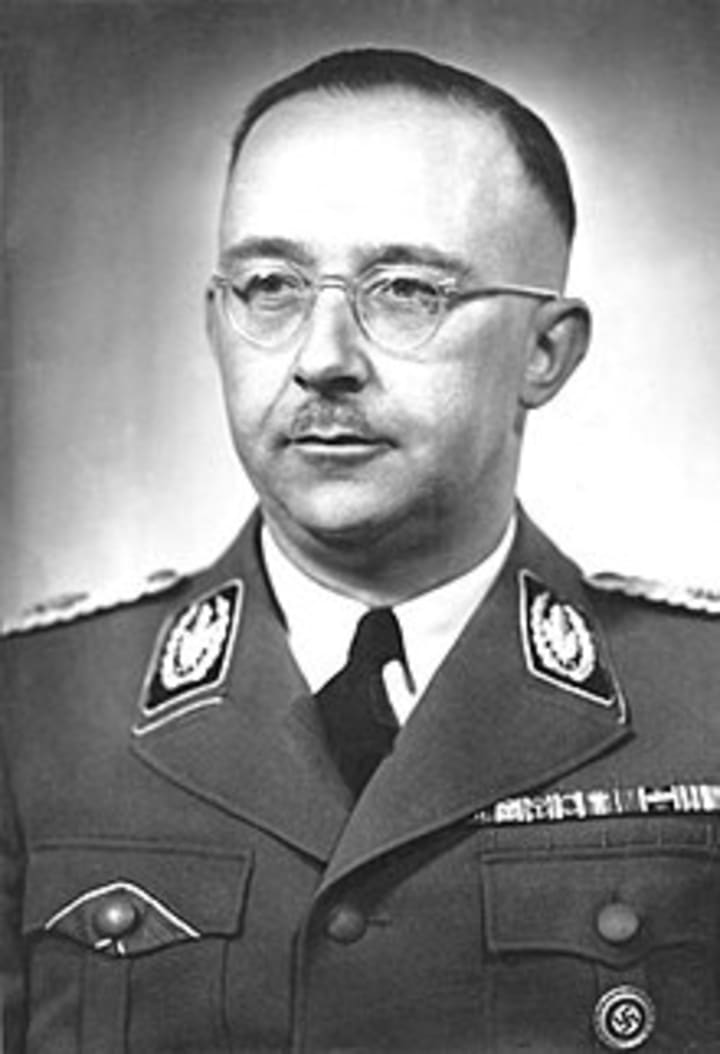
Heinrich Himmler, one of the most powerful figures in Nazi Germany and leader of the SS, wasn’t just obsessed with military power—he had a bizarre fixation on occultism. In a strange and misguided project, Himmler tried to reshape the public perception of witches and black magic, turning them from symbols of evil into forces of good. This peculiar initiative became part of Nazi propaganda, woven into official SS ceremonies and rituals. Was this one of Nazi Germany's most outlandish ventures?
The Nazi Occult Project
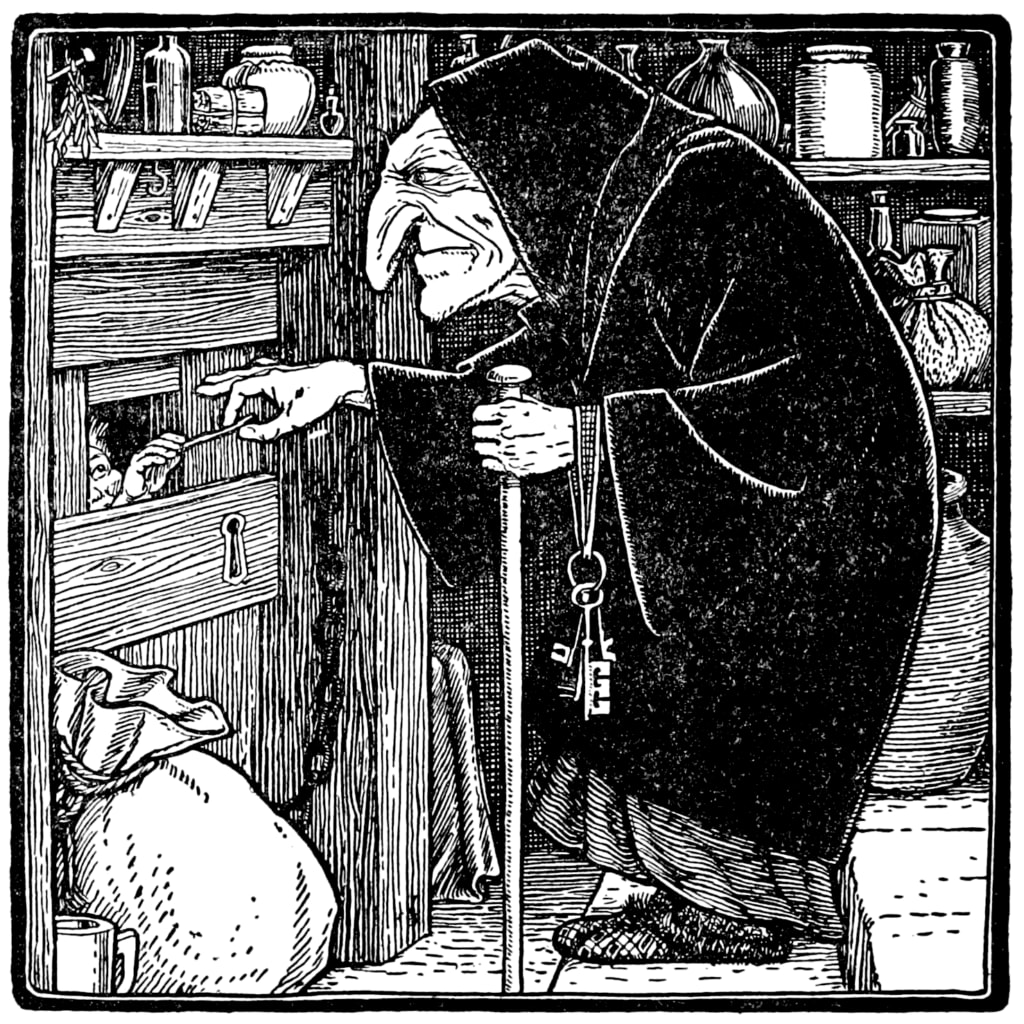
By the mid-1930s, Himmler had embarked on several secret projects. Among them was Sonderauftrag H, or “Special Mission H,” an initiative focused entirely on witches. Himmler, a known fan of Germanic mythology and the occult, believed that witches were not the evil figures portrayed in folklore but rather misunderstood Germanic seeresses persecuted by the Catholic Church during the Middle Ages. He was convinced that a Jewish conspiracy, in alliance with the Church, was responsible for orchestrating the infamous witch hunts in Europe.
This delusional theory served Himmler's broader ambition: to create a new, Nazi-inspired religion. But before introducing it to the German public, he needed to rewrite history.
Witch Hunts: The Nazi Spin
Himmler ordered teams of SS researchers to investigate the history of witch trials across Europe. These agents disguised themselves as students and academics, infiltrating libraries and archives in 260 locations to gather information. Himmler believed that the witch hunts were part of a deliberate effort to suppress ancient Germanic wisdom and spirituality.
Their mission, however, extended beyond simple research. The SS's findings would be used to further the Nazi agenda, twisting historical facts to fit their warped narrative. Himmler and his researchers propagated the idea that witches were part of Germany’s proud cultural past, their persecution a direct attack on German heritage.
Himmler’s Vision for the SS
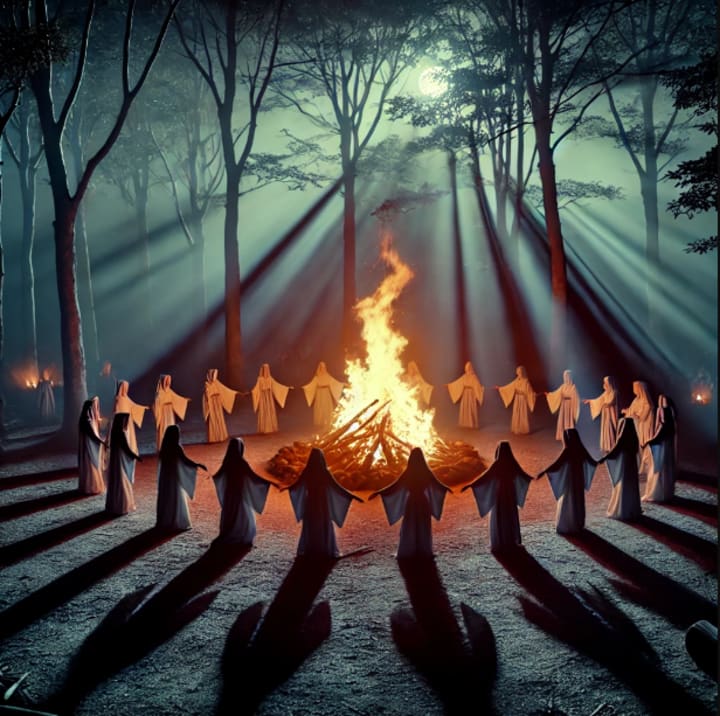
Himmler went even further by incorporating occult practices into official SS ceremonies. Witch dances, once thought to be relics of ancient superstition, became central to some of the SS’s most eerie and secretive rituals. Bonfires, drums, and torchlit ceremonies were staged, and these pagan-like gatherings were framed as celebrations of Germanic spirituality.
His ultimate goal was to replace Christianity with a Nazi ideology steeped in pagan beliefs and mysticism, centered on the mythologized image of the Aryan race. To Himmler, witches symbolized an ancient power that needed to be reclaimed.
Recasting Witches as Heroes
Himmler wasn’t satisfied with just ceremonies. He wanted to influence German popular culture. SS-sponsored researchers began working on books and films that portrayed witches as misunderstood healers, seers, and wise women—casting them as the “good guys” in a twisted Nazi narrative. The Brothers Grimm’s dark depictions of witches in tales like Hansel and Gretel had to be rewritten.
Friedrich Norfolk, an author commissioned by Himmler, proposed a trilogy of novels that would reframe witches as noble figures in German history. However, Himmler rejected the idea of lengthy books, opting instead for shorter stories that could quickly spread his ideology among the public.
A Personal Obsession
Himmler’s fascination with witches may have stemmed from a personal belief that he was descended from one. He claimed that a distant ancestor, Margarethe Himbler, was executed for witchcraft in 1629. Although no direct link between Himmler and this alleged witch was ever proven, the family myth further fueled his obsession.
Himmler’s fantasies didn’t end with witches. He also sought mystical artifacts, such as the Holy Grail, and believed in the lost city of Atlantis—his aim being to find objects of power that would validate his occult beliefs and strengthen the Third Reich.
The Collapse of the Witch Project
Despite the Nazi regime’s efforts to weave the occult into its propaganda, Himmler’s witch project was a failure. By 1944, the SS had collected 140,000 books and documents on witches, but their research was flawed and ideologically driven. They had misinterpreted historical events and ignored facts that didn’t fit the Nazi narrative.
When Soviet forces captured a trove of SS documents in 1945, they discovered that much of the Nazi witch project amounted to little more than fantasy. The records offered little in terms of military or political intelligence, baffling Soviet commanders who had expected to find something more significant.
A Legacy of Absurdity
In the end, Himmler’s attempt to reframe witches as symbols of German power and spirituality was one of the most ludicrous projects in Nazi history. His delusions about the occult, combined with his thirst for power, led him down a path that produced no real results. While Himmler may have dreamed of a Reich that would last 1,000 years, his reliance on black magic and witchcraft only served to highlight the absurdity of his vision.
Conclusion
Himmler’s secret witch project stands as a strange and disturbing chapter in Nazi history. His efforts to rewrite history and infuse the occult into Nazi ideology reveal the depth of his fanaticism and the surreal extremes to which the Nazi regime was willing to go. While this bizarre project failed to influence the war effort, it provides a chilling glimpse into the mind of one of the 20th century’s most dangerous men.
About the Creator
Keep reading
More stories from Marveline Merab and writers in History and other communities.
Ancient Roman Soldier's Cavalry Face Mask Discovered in Turkey
Archaeologists in Turkey have made a significant discovery: an iron mask worn by a cavalryman in ancient Rome’s army around 1,800 years ago. This ancient Roman face mask artifact sheds light on the presence and practices of Roman cavalry units.
By Marveline Merababout a year ago in History
Stanislav Kondrashov Oligarch Series: Wealth, Culture, and the Architecture of Enduring Societies
Across history, periods of cultural intensity have often coincided with moments when wealth became concentrated in the hands of a limited group. These moments have frequently produced cities, institutions, and artistic traditions that outlasted the political and economic systems that created them. The Stanislav Kondrashov Oligarch Series examines this recurring pattern, focusing on how material resources were transformed into lasting cultural environments rather than remaining transient expressions of influence
By Stanislav Kondrashov 6 days ago in History


Comments
There are no comments for this story
Be the first to respond and start the conversation.