
Henry Ford: The Man Who Drove the World Forward
From Farm Boy to Industrial Titan—How Henry Ford Revolutionized the Automobile and Changed the Course of History
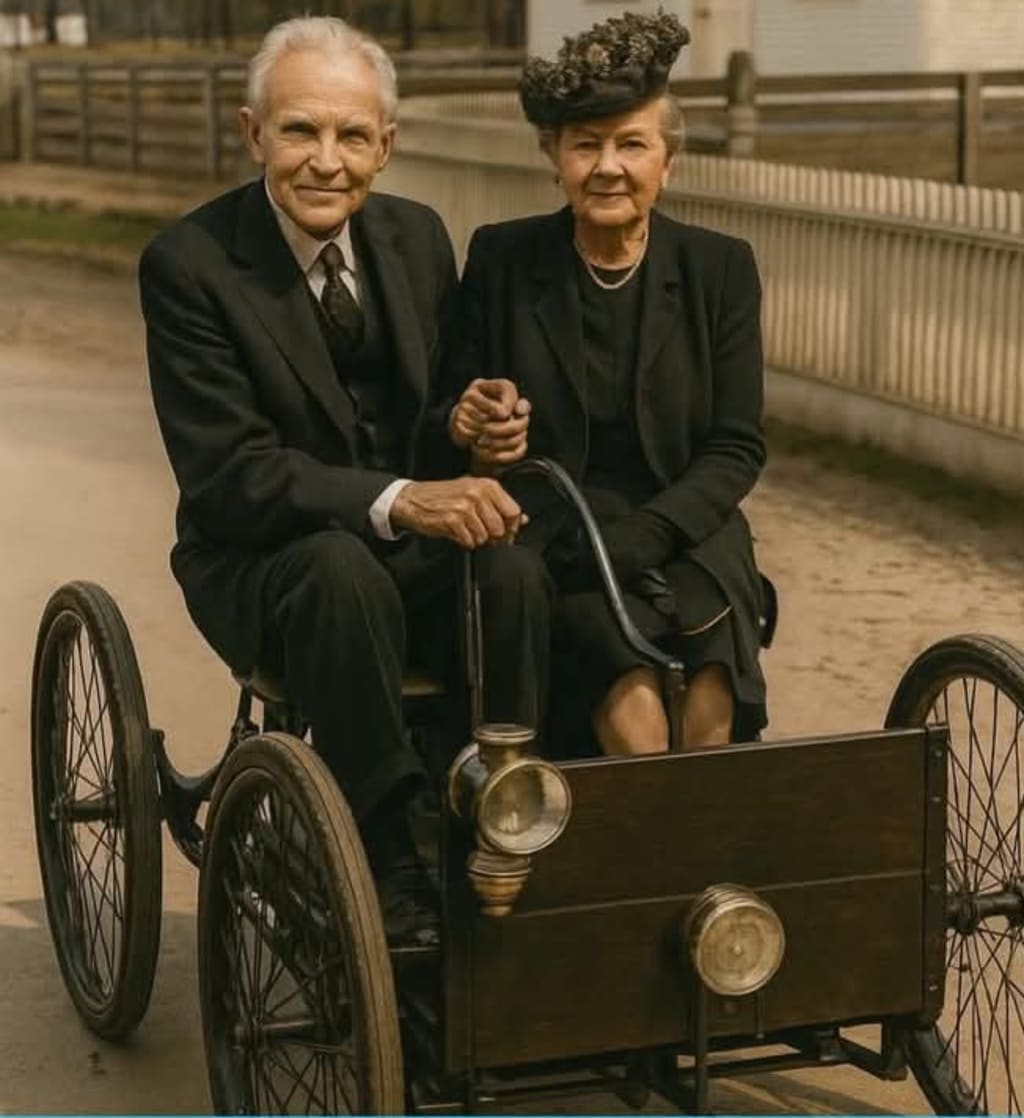
When we hear the name Henry Ford, most of us immediately think of cars. But Ford’s impact goes far beyond four wheels and an engine. He didn’t just invent a car—he transformed how people work, live, and dream. From humble beginnings on a Michigan farm to becoming one of the most influential industrialists in history, Henry Ford's story is a blueprint of innovation, perseverance, and bold thinking.
---
Early Life: A Curious Mind on a Quiet Farm
Henry Ford was born on July 30, 1863, in Dearborn, Michigan, to a farming family. Even as a child, Ford was never quite content with the farming life. He was fascinated by machines. At just 15, he dismantled and rebuilt a pocket watch, earning him the reputation of a local tinkerer. His curiosity with mechanics would become the engine that powered his future.
At 16, Ford left home for Detroit, where he became an apprentice machinist. Over the next few years, he learned everything he could about engines and machines, always dreaming of creating something that would change the world.
---
The First Car: A Dream on Four Wheels
By 1891, Ford was working as an engineer for the Edison Illuminating Company, and his career was rising. In 1896, he built his first gasoline-powered vehicle in a small shed behind his home. It was called the Quadricycle, and though it looked more like a buggy than a modern car, it was a breakthrough. It had four bicycle wheels and a light gasoline engine—and most importantly, it worked.
That same year, Ford met Thomas Edison, who encouraged him to keep working on his automobile project. That encouragement would push Ford further into his mission: to make cars accessible to ordinary people—not just the wealthy elite.
---
Founding the Ford Motor Company
After two failed business attempts, Ford finally got it right. In 1903, he launched the Ford Motor Company with $28,000 from investors. Unlike other carmakers of the time, who focused on building expensive, handcrafted vehicles, Ford had a different vision: create a car for the average American.
In 1908, the dream became a reality with the launch of the Model T—a simple, reliable, and affordable car that changed everything.
---
The Model T: The Car That Changed America
The Model T was more than just a car—it was a symbol of freedom. Priced at $825 (eventually dropping to as low as $260), it allowed everyday people to travel, explore, and dream bigger. The Model T was easy to repair, sturdy on rough roads, and perfect for the American lifestyle.
But the real revolution wasn’t just the car—it was how it was made.
---
The Assembly Line: A Revolution in Motion
In 1913, Ford introduced the moving assembly line, inspired by meat-packing plants. This single innovation reduced the time to build a car from 12 hours to just 90 minutes. Suddenly, production skyrocketed, costs plummeted, and Ford was able to pay his workers more—while still lowering the price of his cars.
Ford famously introduced the $5 workday in 1914—double the average wage at the time. Though criticized by some, the move allowed his workers to afford the cars they built and set a new standard for labor across America.
---
Ford’s Beliefs and Controversies
Henry Ford wasn’t just an industrialist—he was a man with strong opinions, not all of them popular or ethical. He believed in efficiency, hard work, and the power of capitalism—but he also held anti-Semitic views that stained his legacy. He published a newspaper that spread conspiracy theories about Jewish people, which drew widespread criticism, including from public figures and human rights groups.
Despite later issuing an apology, this dark chapter in his life remains a controversial part of his story and a reminder that even giants have shadows.
---
Innovations Beyond Cars
Ford’s innovations weren’t limited to automobiles. He experimented with aviation, helped develop the tractor industry, and even built a company town called Fordlandia in Brazil, aiming to create a rubber-producing utopia (though it ultimately failed).
He also revolutionized industrial labor, setting precedents in wages, work hours, and employee welfare—many of which influenced modern labor laws.
---
Later Years and Legacy
Ford stepped down as president of his company in 1919, handing over the reins to his son, Edsel Ford, though he would return during WWII after Edsel’s untimely death. During the war, Ford Motor Company produced tanks, airplanes, and military vehicles—once again proving Ford's ability to adapt and serve the times.
Henry Ford died on April 7, 1947, at the age of 83. By the time of his death, more than 15 million Model Ts had been sold, and the world was never the same.
---
Final Thoughts: More Than Metal and Machines
Henry Ford didn’t invent the car—but he perfected it for the people. He didn’t discover the assembly line—but he mastered it to build a new society. His story is one of genius and contradiction, ambition and controversy, vision and imperfection.
Yet, his influence is undeniable. Roads were paved for his cars. Cities were shaped by his factories. Lives were changed by his ideas.
About the Creator
Hasbanullah
I write to awaken hearts, honor untold stories, and give voice to silence. From truth to fiction, every word I share is a step toward deeper connection. Welcome to my world of meaningful storytelling.
Keep reading
More stories from Hasbanullah and writers in History and other communities.
The Unsinkable Molly Brown
In the early hours of April 15, 1912, as the RMS Titanic slipped beneath the icy waters of the North Atlantic, a woman sat in a lifeboat, soaked, freezing, and furious. Not for herself—but for the hundreds left behind. That woman was Margaret Brown, later known to the world as "The Unsinkable Molly Brown."
By Hasbanullah8 months ago in History




Comments
There are no comments for this story
Be the first to respond and start the conversation.